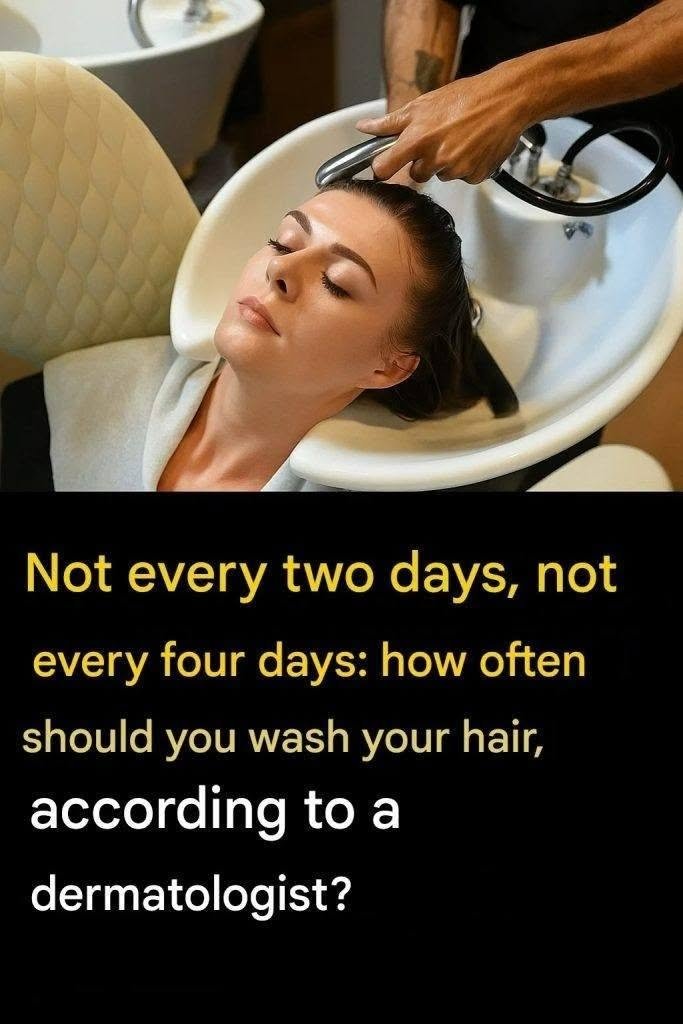

Here’s how often you should wash your hair, according to a dermatologist.
There is no single, universal wash schedule that works for everyone. According to dermatologists, how often you should wash your hair depends primarily on how much oil (sebum) your scalp produces, your hair texture and curl pattern, and your lifestyle habits—not on a rigid rule like “once a week” or “every single day.”
The goal of shampooing is actually to clean your scalp rather than strip the lengths of your hair. Your scalp contains thousands of oil glands, sweat glands, and hair follicles that collect sebum, dead skin cells, styling products, and environmental pollutants. Washing too infrequently allows oil and buildup to trigger flaking, itching, or odor, while washing too aggressively or too often for your hair type can leave strands dry, frizzy, and prone to breakage.
Recommended Wash Frequency by Hair and Scalp Type
1. Oily Scalp or Fine, Straight Hair: Every Day to Every Other Day
-
Why: Fine, straight hair shafts allow natural scalp oils to slide down the hair strand quickly, making roots look flat, greasy, or separated within 24 hours. People with naturally active sebaceous glands also build up oil faster.
-
Dermatologist tip: Washing daily or every two days with a gentle, non-stripping shampoo keeps follicles clean without triggering rebound dryness. Focus shampoo at the roots and apply conditioner only from mid-length to ends.
2. Medium, Normal, or Wavy Hair: Every 2 to 3 Days
-
Why: Wavy and medium-thickness hair holds natural oils slightly longer at the scalp before they travel down the hair shaft, giving most people a comfortable two- to three-day window before roots look oily or feel heavy.
-
Dermatologist tip: Pay attention to how your scalp feels by day two or three—if it starts feeling itchy, greasy, or weighed down by dry shampoo, it is time for a wash.
3. Thick, Coarse, Curly, or Coily Hair: Once Every 7 to 14 Days
-
Why: Tightly curled and coily hair textures have bends and twists along the hair shaft that slow down the movement of natural sebum from the scalp to the ends. Because natural oils stay near the scalp rather than coating the full strand, curly and coily hair dries out easily if washed too frequently.
-
Dermatologist tip: Washing every one to two weeks with a moisturizing, sulfate-free cleanser helps preserve natural moisture and curl definition. Between wash days, refreshing with water and leave-in conditioner keeps curls hydrated without stripping them.
4. Dry, Color-Treated, or Heat-Damaged Hair: Every 3 to 5 Days (or Less Often)
-
Why: Bleaching, hair dye, chemical relaxers, and frequent heat styling lift the outer cuticle layer of hair, making it porous and vulnerable to moisture loss and color fading.
-
Dermatologist tip: Space out washes to twice a week using lukewarm (not hot) water and color-safe, hydrating formulas to protect the hair cuticle.
Lifestyle and Scalp Factors That Change Your Schedule
Even within the same hair type, dermatologists recommend adjusting your wash frequency based on daily activities and scalp health:
-
Heavy Sweating and Workouts: Sweat mixed with scalp oil and bacteria can irritate skin and clog follicles. If you exercise intensely every day, you do not always need a heavy shampoo—rinsing with lukewarm water or using a mild cleanser on sweaty days helps keep your scalp fresh.
-
Dandruff or Seborrheic Dermatitis: Contrary to popular belief, dandruff is usually driven by an overgrowth of Malassezia yeast feeding on excess scalp oil—not simply a dry scalp. Waiting too long between washes often makes flaking and itching worse. Dermatologists typically advise washing regularly (often 3 to 4 times a week or as directed) with a medicated anti-dandruff shampoo containing ingredients like ketoconazole, zinc pyrithione, selenium sulfide, or salicylic acid, letting the lather sit on the scalp for 3 to 5 minutes before rinsing.
-
Heavy Styling Products and Dry Shampoo: Gels, pomades, sprays, and dry shampoos sit on the scalp surface. Overusing dry shampoo without washing traps oil and powder at the roots, which can lead to scalp irritation or folliculitis.
-
Age and Hormonal Shifts: Sebum production naturally peaks in late adolescence and young adulthood, then gradually declines with age—meaning older adults often need to wash less frequently than they did in their twenties.
Clear Signs You Are Washing Too Often—or Not Often Enough
Signs you may be washing too often:
-
Hair feels straw-like, brittle, frizzy, or unusually tangled right after drying.
-
Hair color fades noticeably faster than expected.
-
Your scalp feels tight, irritated, or overly dry without thick greasy flakes.
Signs you are not washing often enough:
-
Your scalp feels itchy, tender, or smells musty.
-
You notice greasy yellow or white flakes, visible buildup under your fingernails when scratching gently, or small red bumps along the hairline.
-
Roots look limp, separated, or coated in residue.
How Dermatologists Recommend Washing Your Hair Properly
-
Concentrate shampoo on the scalp: Massage shampoo gently into your scalp with the pads of your fingers (never your fingernails) for 30 to 60 seconds to lift oil and debris. Let the suds rinse down through the ends rather than scrubbing fragile ends directly.
-
Use lukewarm water: Very hot water strips protective lipids from both your scalp and hair shafts, increasing dryness and frizz.
-
Apply conditioner to the lengths and ends: Keep rich conditioners off the scalp (unless using a specific scalp-hydrating formula) so roots stay light and bouncy.
-
Be gentle when hair is wet: Wet hair is at its weakest and stretches easily; blot gently with a soft towel or microfiber wrap instead of rubbing vigorously.