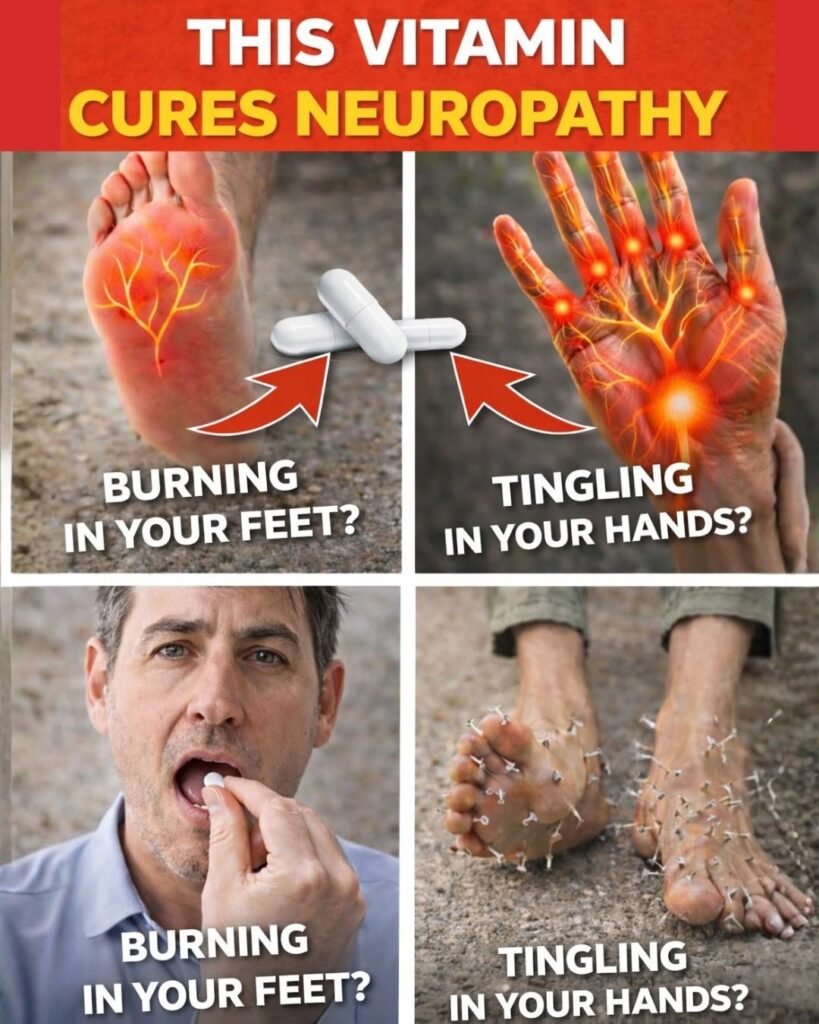

The #1 Vitamin That Could Transform Life With Neuropathy and Nerve Damage
Vitamin B12 (Methylcobalamin) — The Essential Nerve Repair Nutrient
When it comes to peripheral neuropathy, tingling, numbness, burning sensations, and nerve damage, Vitamin B12 stands out as the single most critical vitamin for nerve health, protection, and regeneration. Unlike vitamins that only mask discomfort or provide mild antioxidant support, Vitamin B12 plays a direct structural and biochemical role in rebuilding damaged nerves and keeping nerve signals firing smoothly.
Why Vitamin B12 Is Considered the #1 Vitamin for Nerve Health
Every nerve fiber in your body is wrapped in a protective insulating layer called the myelin sheath. Think of myelin like the rubber coating around an electrical wire: it prevents electrical impulses from short-circuiting and allows signals to travel rapidly between your brain, spinal cord, hands, and feet.
-
Rebuilds the Myelin Sheath: Vitamin B12 is a mandatory cofactor in the production of myelin. When B12 levels drop, the myelin sheath begins to fray and break down (a process called demyelination), exposing the raw nerve fiber underneath. This leads directly to pins-and-needles sensations, shooting pains, numbness, and loss of balance.
-
Promotes Nerve Regeneration: Clinical studies show that high doses of active Vitamin B12 stimulate the synthesis of proteins and lipids required to repair injured axons (the long nerve fibers) and encourage new nerve growth.
-
Reduces Homocysteine Toxicity: Without adequate B12, an amino acid called homocysteine builds up in the bloodstream. Elevated homocysteine damages the tiny blood vessels (vasa nervorum) that supply oxygen and nutrients to peripheral nerves, starving them and worsening neuropathy.
-
Restores Neurotransmitter Balance: B12 is essential for producing key brain and nerve chemicals that regulate pain perception, muscle coordination, and sensory feedback.
The Crucial Difference: Methylcobalamin vs. Cyanocobalamin
Not all Vitamin B12 supplements work the same way for nerve damage. Choosing the right form makes a major difference in how effectively your body can use it:
-
Methylcobalamin (The Active, Nerve-Specific Form): This is the naturally occurring, bio-active coenzyme form of B12 that your nervous system uses directly. It crosses the blood-brain barrier efficiently, penetrates nerve tissue readily, and immediately goes to work repairing myelin without needing conversion by the liver. For neuropathy and nerve recovery, methylcobalamin is the preferred clinical choice.
-
Cyanocobalamin (The Synthetic Form): This is a lab-made form bound to a cyanide molecule that is commonly found in inexpensive multivitamins. Your liver must first strip away the cyanide group and convert it into methylcobalamin before your nerves can use it—a process that is less efficient in older adults, people with liver stress, or those with genetic absorption variations.
Common Signs of B12-Related Nerve Stress
Because Vitamin B12 deficiency develops slowly over months or years, early nerve symptoms are frequently overlooked or misattributed to normal aging or poor circulation:
-
Persistent tingling, prickling, or “pins and needles” in the toes, feet, or fingertips
-
Burning, stabbing, or electric-shock sensations, especially at night when resting
-
Gradual numbness or feeling like you are wearing invisible socks or gloves
-
Muscle weakness, heavy legs, or difficulty maintaining balance when walking in the dark
-
Heightened sensitivity to touch (even bedsheets resting on the feet can feel painful)
-
Brain fog, memory lapses, and unexplained fatigue accompanying physical nerve symptoms
Who Is Most at Risk for Low B12 Levels?
Even people who eat a balanced diet can develop functional Vitamin B12 deficiency affecting their nerves:
-
People Taking Metformin: Long-term use of metformin (a standard medication for Type 2 diabetes and insulin resistance) significantly blocks B12 absorption in the gut. Because diabetes itself causes nerve damage, metformin-induced B12 depletion often compounds diabetic neuropathy.
-
Acid-Reflux Medication Users: Proton pump inhibitors (such as omeprazole or pantoprazole) and H2 blockers reduce stomach acid, which is strictly required to unlock Vitamin B12 from food proteins.
-
Adults Over Age 50: Stomach acid and a digestive protein called intrinsic factor naturally decline with age, making it harder to absorb B12 from diet alone.
-
Vegetarians and Vegans: Natural Vitamin B12 is found almost exclusively in animal-derived foods (meat, fish, eggs, dairy), putting plant-based eaters at high risk without supplementation.
-
Individuals with Digestive Conditions: Celiac disease, Crohn’s disease, gastritis, or past stomach/intestinal surgery impair the small intestine’s ability to absorb B12.
Supporting Nutrients That Work Alongside Vitamin B12
While Vitamin B12 is the cornerstone of nerve repair, it works in a biological team. Pairing it with complementary nerve-supporting nutrients maximizes recovery:
-
Vitamin B1 (Benfotiamine): A fat-soluble form of thiamine that penetrates nerve cells far better than standard water-soluble thiamine. It protects nerves against sugar-induced cellular damage and reduces burning pain.
-
Vitamin B6 (as P-5-P / Pyridoxal-5-Phosphate): Supports neurotransmitter synthesis and nerve signaling. (Important caution: Excess synthetic B6—pyridoxine HCl—in high doses over 100 mg daily can actually cause nerve toxicity, so sticking to moderate, active P-5-P doses is essential.)
-
Alpha-Lipoic Acid (ALA): A potent water- and fat-soluble antioxidant that improves blood flow to peripheral nerves, reduces oxidative stress, and eases burning and stabbing discomfort.
-
Acetyl-L-Carnitine (ALCAR): Fuels the mitochondria (energy factories) inside nerve cells, providing the cellular energy needed for nerve fiber regeneration.
Best Dietary Sources and Practical Absorption Tips
-
Top Whole-Food Sources: Wild-caught salmon, sardines, trout, beef liver, grass-fed beef, lamb, eggs (specifically the yolks), and fortified nutritional yeast.
-
Sublingual or Liquid Delivery: Because gut absorption of B12 is often compromised in people with neuropathy, sublingual (under-the-tongue) methylcobalamin tablets, lozenges, or liquid drops allow the vitamin to absorb directly through the mucous membranes into the bloodstream, bypassing digestive barriers.
-
Lab Testing Note: Standard serum B12 blood tests can sometimes appear “normal” even when nerve cells are starved of B12. Doctors often check Methylmalonic Acid (MMA) and Homocysteine levels alongside serum B12 to get a true picture of cellular B12 status.
-
Medical Guidance: Always consult a healthcare professional before starting high-dose supplementation—especially if you have diabetes, kidney conditions, or take prescription medications—so they can tailor dosing and rule out other underlying causes of nerve symptoms.