
Dry Mouth at Night: 8 Warning Signs You Shouldn’t Ignore
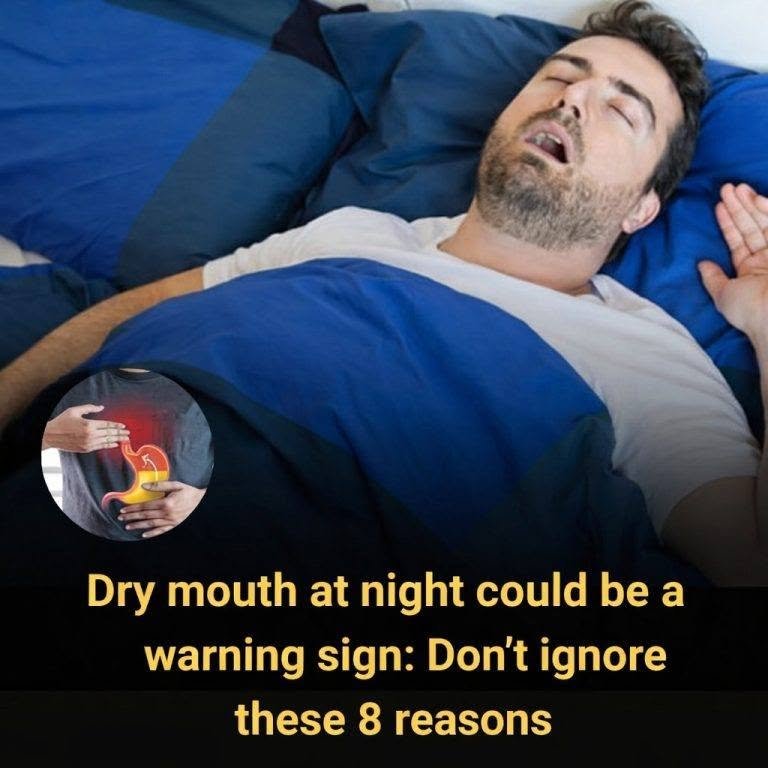
Occasional dry mouth upon waking is often due to simple factors like breathing through your mouth, dehydration, or dry bedroom air. However, persistent nighttime can signal an underlying systemic condition or medication side effect that requires medical attention.
8 Warning Signs to Watch For
-
Thick, Stringy Saliva or Difficulty Swallowing Waking up with a sticky sensation, trouble swallowing water, or food sticking to your throat indicates severely reduced salivary flow rather than simple overnight evaporation.
-
Cracked Lips, Mouth Sores, or Split Corners Saliva lubricates and protects soft tissues. Persistent dryness leads to painful fissures at the corners of the mouth (), frequent canker sores, or a raw, burning tongue.
-
Rapid Tooth Decay or Bleeding Gums Saliva neutralizes acids and washes away bacteria. A sudden spike in cavities—especially along the gumline—or red, swollen gums can indicate your mouth is lacking protective moisture overnight.
-
Loud Snoring, Gasping, or Daytime Fatigue Dry mouth accompanied by waking up choking, morning headaches, or heavy daytime exhaustion strongly points toward obstructive sleep apnea or chronic nasal obstruction forcing mouth breathing.
-
Increased Thirst and Frequent Nighttime Urination Waking up repeatedly to drink water and urinate () is a classic early warning sign of uncontrolled blood sugar or diabetes.
-
Dry, Gritty Eyes or Joint Pain When dry mouth occurs alongside dry eyes, skin dryness, or unexplained joint stiffness, it may indicate an autoimmune disorder such as Sjögren’s syndrome, where the immune system attacks moisture-producing glands.
-
White Patches or a Red, Smooth Tongue Without saliva’s antimicrobial enzymes, fungal infections like oral thrush (candidiasis) can develop, appearing as creamy white lesions that may scrape off or leave sore, red tissue underneath.
-
Symptoms Starting After a New Medication Hundreds of prescription and over-the-counter drugs—including antihistamines, antidepressants, blood pressure medications, and decongestants—suppress saliva production.
Common Causes vs. Next Steps
| Potential Cause | Key Clues | Recommended Action |
| Airway / Sleep Issues | Snoring, nasal congestion, waking up tired | Consult a doctor or sleep specialist; address nasal allergies |
| Medications | Dryness began after starting or changing a dose | Ask your prescribing doctor about alternatives or timing adjustments |
| Metabolic / Autoimmune | Excessive thirst, frequent urination, dry eyes | Request routine blood work (fasting glucose, HbA1c, autoimmune markers) |
| Oral Complications | Tooth sensitivity, gum bleeding, white patches | Schedule a dental exam for topical fluoride or antifungal treatment |
Immediate Relief Strategies
-
Use a cool-mist humidifier in your bedroom to add moisture to dry air.
-
Avoid alcohol-based mouthwashes, caffeine, and tobacco in the evening, as all three dry out oral tissues.
-
Try xylitol lozenges or saliva substitutes formulated for nighttime use to stimulate or mimic natural moisture without feeding cavity-causing bacteria.