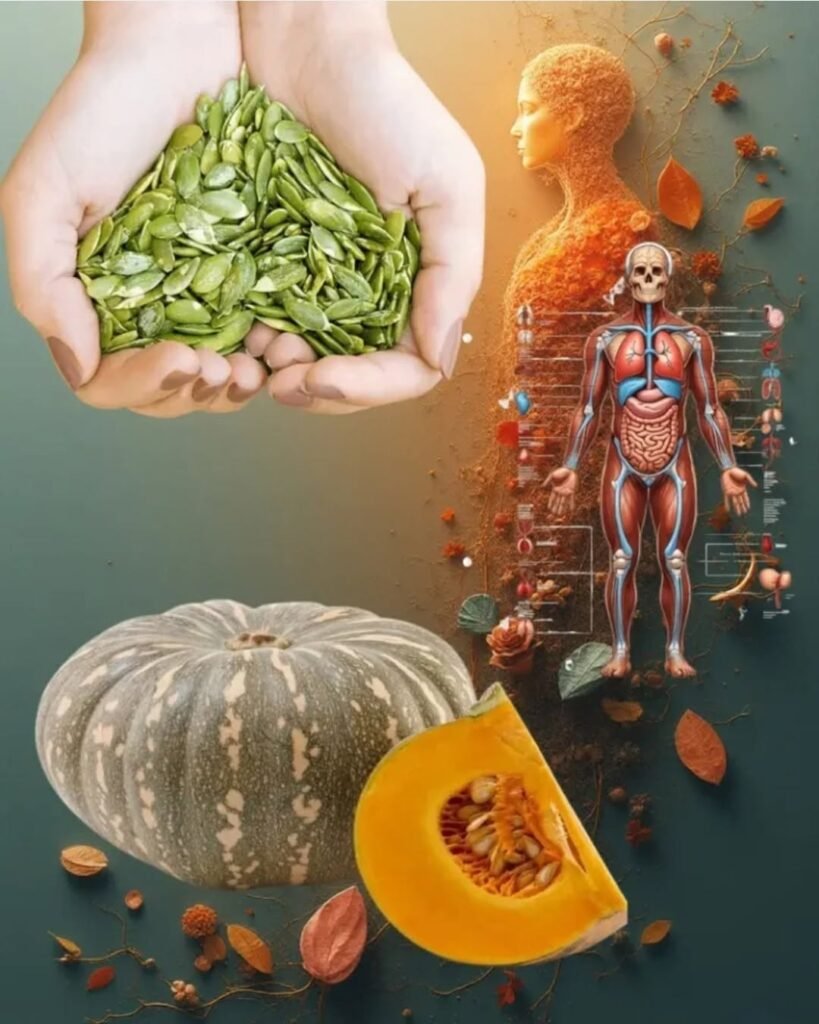

Pumpkin Seeds: The Natural Remedy That Supports Bladder & Prostate Wellness
Pepitas (Pumpkin Seeds) — Nutritional Support for Urinary Tract, Bladder Control, and Prostate Health
Pumpkin seeds (often called pepitas when hulled) have long been used in traditional nutrition and modern wellness routines to support urinary comfort, healthy bladder function, and prostate health. While food and supplements never replace medical evaluation for urinary or prostate symptoms, pumpkin seeds offer a dense concentration of plant compounds, minerals, and healthy fats that align closely with what the prostate gland and bladder tissues need for everyday maintenance.
How Pumpkin Seeds Support Prostate & Bladder Wellness
The prostate gland sits just below the bladder and wraps around the urethra, meaning prostate enlargement or irritation can directly affect urine flow, urgency, and nighttime bathroom trips. Meanwhile, the bladder wall and pelvic floor rely on healthy tissue integrity, balanced inflammation, and steady nerve signaling to hold and release urine smoothly.
-
Rich in Zinc for Prostate Tissue: The human prostate naturally holds higher concentrations of zinc than almost any other soft tissue in the body. Zinc supports normal cellular function, immune defense, and hormone metabolism within the prostate gland. Pumpkin seeds are one of the strongest whole-food plant sources of zinc.
-
Phytosterols (Beta-Sitosterol): Pumpkin seeds contain phytosterols—plant sterols structurally similar to cholesterol—including beta-sitosterol. Research on phytosterols and pumpkin seed extracts suggests they may help ease lower urinary tract symptoms associated with benign prostatic hyperplasia (age-related non-cancerous prostate enlargement), such as weak stream, incomplete emptying, or frequent urination.
-
Healthy Fats & Anti-Inflammatory Compounds: Pumpkin seeds supply omega-6 and omega-3 fatty acids along with tocopherols (forms of vitamin E) and phenolic antioxidants. Together, these compounds help counter oxidative stress and low-grade inflammation that can irritate bladder lining and prostate tissue.
-
Magnesium for Smooth Muscle & Bladder Calm: Magnesium helps regulate smooth muscle relaxation and nerve signaling. Adequate magnesium intake supports healthy muscle tone in the bladder wall and pelvic region without triggering excess involuntary contractions.
-
Lignans and Phytoestrogens: Pumpkin seeds provide plant lignans that interact gently with hormone pathways and antioxidant defenses, offering additional nutritional support for aging men and women alike.
What the Evidence Says — Realistic Expectations
Clinical studies using pumpkin seed oil, pumpkin seed extract, or whole/hulled pumpkin seeds have reported modest improvements in self-rated urinary symptoms, nighttime frequency, and quality-of-life scores in people with mild-to-moderate urinary or prostate discomfort.
-
Food vs. Concentrated Extracts: Eating whole or hulled pumpkin seeds nourishes overall health with fiber, protein, zinc, and magnesium, while standardized oils or extracts deliver concentrated doses of specific lipids and phytosterols tested in clinical trials.
-
Gradual, Supportive Role: Nutritional changes typically take several weeks of consistent intake to show subtle benefits, if they help at all. They work best as a supportive habit alongside medical guidance—not as a cure-all.
Who May Benefit Most — and When to See a Doctor
Both men and women can experience bladder urgency, frequency, or nighttime waking. Men over 40–50 commonly watch prostate and urinary changes, while women often experience overactive bladder symptoms, pelvic floor changes, or urinary tract irritation.
Seek prompt medical evaluation rather than relying on diet alone if you notice:
-
Pain, burning, or stinging during urination
-
Blood in the urine (pink, red, or tea-colored)
-
Sudden inability to urinate or severe lower abdominal/flank pain
-
Fever, chills, or back pain (which can point to a kidney or prostate infection)
-
New or worsening symptoms that disrupt sleep or daily life, or elevated PSA / abnormal prostate exam findings
Practical Ways & Recipes to Add Pumpkin Seeds Daily
Aiming for roughly 1 to 2 tablespoons (about 15–30 grams) of raw or lightly roasted unsalted pumpkin seeds most days is an easy, sustainable starting point for most adults.
1. Warm Savory Pumpkin Seed & Herb Topping (For Soups, Salads & Stews)
-
Ingredients:
-
1/2 cup raw hulled pumpkin seeds (pepitas)
-
1 teaspoon olive oil or avocado oil
-
1/4 teaspoon sea salt (optional; keep low if managing blood pressure)
-
1/4 teaspoon dried thyme, oregano, or smoked paprika
-
Pinch of black pepper
-
-
Preparation:
-
Place a dry skillet over medium-low heat and add the pumpkin seeds.
-
Toast for 3 to 5 minutes, stirring frequently so they do not scorch, until they puff slightly and release a nutty aroma.
-
Turn off the heat, drizzle in the oil and seasonings, toss for 30 seconds until coated, and cool before storing in an airtight jar.
-
Sprinkle 1–2 tablespoons over warm vegetable soup, lentil bowls, roasted squash, or leafy salads.
-
2. Bladder-Friendly Morning Smoothie Booster
-
Ingredients:
-
2 tablespoons raw pumpkin seeds (soaked in water for 30 minutes and drained for a smoother texture and easier mineral absorption)
-
3/4 cup unsweetened almond, oat, or dairy milk
-
1/2 cup plain Greek yogurt or kefir (or a dairy-free alternative)
-
1/2 cup blueberries or sliced pear
-
Small handful of spinach
-
-
Preparation:
-
Add liquid first to the blender, followed by soaked pumpkin seeds, greens, yogurt, and fruit.
-
Blend on high for 45–60 seconds until completely smooth.
-
Drink earlier in the day rather than right before bedtime to minimize nighttime bathroom trips.
-
3. Simple Roasted Seed & Trail Mix Snack
-
Ingredients:
-
1 cup hulled pumpkin seeds
-
1/2 cup raw walnuts or sunflower seeds
-
1 tablespoon unsweetened shredded coconut or a few chopped dates (optional, kept modest if watching blood sugar)
-
-
Preparation:
-
Preheat the oven to 160°C (325°F).
-
Spread the pumpkin seeds evenly on a baking sheet and bake for 8 to 12 minutes, checking halfway so they stay golden rather than dark brown.
-
Let cool completely, mix with walnuts and optional add-ins, and portion into small 2-tablespoon servings for afternoon snacks.
-
Smart Tips for Best Results and Comfort
-
Watch the Salt: Pre-packaged roasted pumpkin seeds are often heavily salted. High sodium intake can draw water into the body and worsen fluid shifts or blood pressure—choose unsalted or lightly salted seeds.
-
Mind Evening Fluids: Even healthy drinks and foods high in water can wake you up at night if consumed right before bed. Enjoy your pumpkin seed recipes earlier in the day and taper heavy fluids 1–2 hours before sleep unless advised otherwise by your doctor.
-
Go Slow with Fiber: Pumpkin seeds contain dietary fiber; increasing intake suddenly can cause mild gas or bloating until your digestion adjusts. Drink plenty of water during the day as you increase fiber.
-
Check Medication Interactions: If you take blood thinners, blood pressure medications, diuretics, or hormone-related therapies, or if you plan to take concentrated pumpkin seed oil capsules, review them with your doctor or pharmacist first.