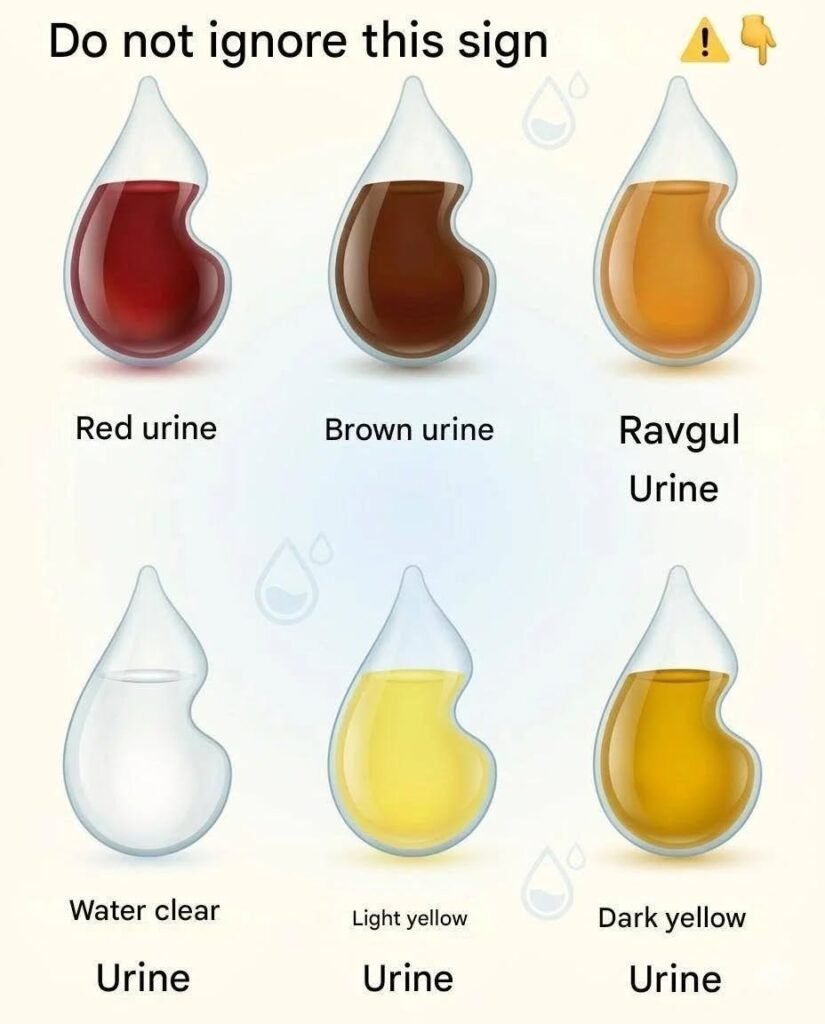

Do Not Ignore: What Can Urine Color Says About Your Health
Urine Color and What It Reveals About Your Health
Urine color is one of the quickest, easiest daily indicators of how well your body is managing fluids, processing nutrients, and clearing waste. Because the kidneys filter waste products from the blood and balance water levels continuously, shifts in shade often appear before other noticeable symptoms develop. While many color changes come from everyday habits—such as drinking extra water, eating brightly pigmented foods, or taking vitamins—others serve as early clues about hydration, liver function, kidney stress, or urinary tract health.
How Normal Urine Color Works
Healthy urine typically ranges from pale straw or light yellow to medium or dark yellow. This yellow pigment comes primarily from a natural breakdown product called urochrome (also known as urobilin), which forms when the body breaks down hemoglobin—the protein that carries oxygen in red blood cells.
-
Fluid concentration: When you drink plenty of water, urine is diluted and looks lighter. When you drink less water or sweat heavily (for example, in hot weather or during intense exercise), urine becomes more concentrated and appears darker yellow or amber.
-
Timing throughout the day: First-morning urine is often slightly darker because your body goes hours without fluid intake overnight while kidneys continue concentrating waste.
-
Baseline consistency: Knowing your normal baseline makes it much easier to spot sudden changes that do not match what you ate, drank, or took.
Everyday Shades and Hydration Levels
| Urine Color | Typical Cause | Practical Context |
| Clear / Very Pale | High fluid intake, overhydration, or diuretic effects | Often harmless from heavy drinking, though drinking excessive amounts of plain water can dilute blood sodium levels over time. |
| Pale Straw to Light Yellow | Well-hydrated baseline | Generally indicates balanced fluid intake and normal kidney filtration. |
| Dark Yellow / Amber | Mild to moderate dehydration or concentrated morning urine | Commonly improves after steadily drinking water over several hours. |
| Bright / Neon Yellow | Water-soluble vitamins, especially B-complex (such as riboflavin / vitamin B2) | Very common with multivitamins and energy supplements; excess water-soluble vitamins are flushed out in urine. |
Unusual Colors: Dietary, Supplement, and Medication Triggers
Before jumping to conclusions about an unusual shade, review what you consumed over the past 24 to 48 hours. Many foods, supplements, and medications temporarily tint urine without causing lasting harm:
-
Foods and pigments: Beets, beetroot juice, blackberries, rhubarb, fava beans, carrot juice, and foods with strong artificial dyes can shift urine toward pink, reddish, orange, or greenish tones.
-
Vitamins and herbal products: High doses of vitamin C, certain B vitamins, beta-carotene, or herbal teas and extracts can deepen yellow or orange hues.
-
Medications: Prescription and over-the-counter drugs can change urine color—for example, urinary pain relievers containing phenazopyridine often turn urine bright orange-red, certain antibiotics (such as rifampin) can cause orange or reddish discoloration, and some psychiatric, anti-inflammatory, or anesthetic drugs have been linked to greenish or bluish tints.
Warning Colors and Potential Medical Causes
When an unusual color persists after accounting for food, hydration, and medications—or comes with physical discomfort—it deserves closer attention:
-
Pink or Red: If dietary pigments like beets or berries are not the reason, reddish urine can indicate hematuria (blood in the urine). Possible causes range from a urinary tract infection (UTI) and kidney stones to kidney inflammation, prostate enlargement, or other urinary tract conditions. Even if pink or red urine clears up on its own, a single unexplained episode warrants medical evaluation.
-
Orange: Persistent orange urine can point to concentrated urine from dehydration, certain medications, or issues involving bile and liver processing, especially if paired with pale or light-colored stools or yellowing skin and eyes.
-
Dark Brown or Tea/Cola-Colored: Dark brown urine can stem from severe dehydration or specific foods, but it can also signal liver conditions (such as hepatitis or bile duct obstruction increasing bilirubin) or rhabdomyolysis, a condition where damaged muscle tissue releases myoglobin into the bloodstream and kidneys after severe exertion, crush injury, or certain drug reactions.
-
Blue or Green: Rare outside of dyes and specific medications, blue or green urine can occasionally be associated with certain urinary bacterial infections (such as Pseudomonas) or uncommon metabolic conditions.
-
Cloudy, Murky, or Foamy: Cloudiness or haziness often accompanies a UTI, dehydration, or mineral crystals/stones. Foam that lingers repeatedly after flushing—rather than ordinary bubbles from a fast stream—can suggest excess protein in the urine (proteinuria), which is checked during routine kidney screening.
When to Seek Prompt Medical Care
Pay close attention to accompanying symptoms rather than relying on color alone. Seek medical care promptly if you notice:
-
Unexplained pink, red, dark brown, or orange urine that does not clear up quickly or returns repeatedly.
-
Burning, stinging, pain, or urgency during urination, or frequent urination in small amounts.
-
Pain in the lower back, side (flank), or lower abdomen, especially if sharp or severe.
-
Fever, chills, nausea, or vomiting.
-
Yellowing of the whites of the eyes or skin, swelling in the legs or ankles, or unusual fatigue.
Smart Habits for Tracking Changes Safely
-
Check in good lighting: Natural daylight or bright indoor light gives a clearer view than dim bathrooms.
-
Note recent intake: Keep a quick mental note of water intake, new supplements, recent foods like beets, and current medications.
-
Adjust hydration gradually: If urine looks dark yellow from mild dehydration, sip water steadily rather than chugging large amounts all at once.
-
Avoid self-diagnosing or stopping prescribed drugs abruptly: If you suspect a medication is changing your urine color or causing side effects, ask a doctor or pharmacist before changing your dose.