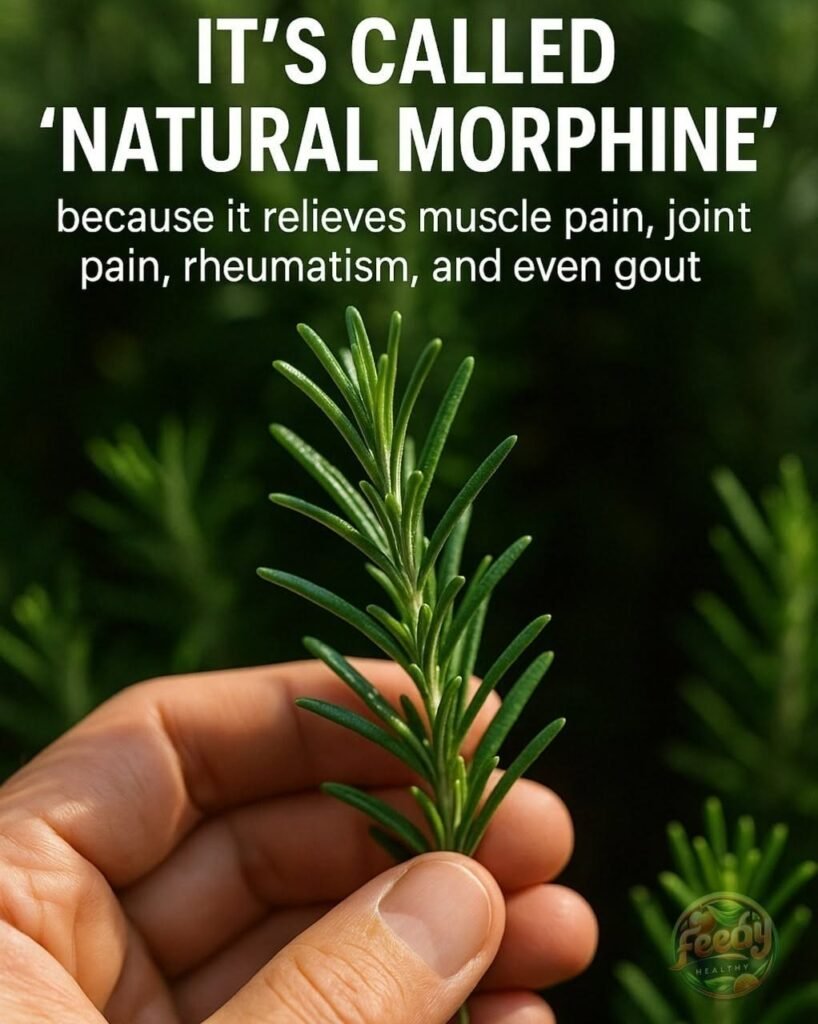

Rosemary is more than just a fragrant kitchen herb. This evergreen plant has been used in traditional cooking and herbal remedies for centuries.
But what can rosemary actually do for your body? Does it support memory, improve hair growth, aid digestion, or protect your health?
Let’s separate its scientifically supported benefits from exaggerated claims.
1. May Support Memory and Concentration
Rosemary contains natural compounds, including rosmarinic acid and carnosic acid.
Some small human studies suggest that rosemary aroma may influence memory, alertness, and cognitive performance.
However, there isn’t enough evidence to say rosemary prevents dementia or Alzheimer’s disease.
2. Contains Powerful Antioxidants
Rosemary contains plant compounds that help protect cells against oxidative stress in laboratory studies.
These include:
-
Carnosic acid.
-
Carnosol.
-
Rosmarinic acid.
Antioxidants are important because oxidative stress is involved in many biological processes associated with aging and disease.
3. May Support Healthy Hair
Rosemary oil has attracted attention as a potential hair-care ingredient.
A small clinical study compared rosemary oil with 2% minoxidil in people with androgenetic alopecia over six months.
Both groups showed increased hair counts, but the evidence remains limited. More research is needed.
Practical tip: Never apply undiluted rosemary essential oil directly to your scalp. It can cause irritation.
4. May Help Reduce Inflammation
Rosemary contains compounds with anti-inflammatory properties in laboratory and animal studies.
Researchers are investigating whether these compounds may help regulate inflammatory processes in the body.
However, eating rosemary has not been proven to treat arthritis or chronic inflammatory diseases.
5. May Support Digestion
Traditionally, rosemary has been used to help with digestive discomfort.
Some people enjoy rosemary tea after meals.
However, strong clinical evidence that rosemary treats bloating, indigestion, or stomach disorders is still lacking.
6. May Help Protect the Brain
Certain rosemary compounds are being studied for their potential neuroprotective effects.
Laboratory research suggests they may help protect brain cells against oxidative damage.
But there is currently insufficient human evidence that rosemary supplements prevent neurological diseases.
7. May Support Cardiovascular Health
Rosemary contains antioxidant compounds that researchers are investigating for possible effects on blood vessels, inflammation, and metabolic health.
However, rosemary should not replace prescribed medication for high blood pressure, cholesterol, or heart disease.
8. May Help Protect Food From Oxidation
One of rosemary’s best-established practical uses is food preservation.
Its antioxidant compounds can help slow fat oxidation in certain foods, which may help maintain freshness and quality.
This is one reason rosemary extracts are sometimes used in the food industry.
9. May Support a Healthy Diet
Rosemary is a flavorful herb that can make healthy meals more enjoyable without adding much salt or sugar.
Try adding it to:
-
Roasted vegetables.
-
Chicken and fish.
-
Soups and stews.
-
Baked potatoes.
-
Homemade marinades.
How to Use Rosemary Safely
Rosemary tea
-
Add 1 teaspoon of dried rosemary leaves to a cup.
-
Pour in hot water.
-
Let it steep for approximately 5–10 minutes.
-
Strain and enjoy.
You can also use fresh rosemary as a cooking ingredient.
Safety precautions:
-
Culinary amounts are generally safe for most adults.
-
Essential oils are highly concentrated and should not be swallowed.
-
Avoid medicinal-dose rosemary supplements during pregnancy unless specifically approved by your healthcare professional.
-
Consult a healthcare professional before using concentrated extracts if you take regular medication or have a medical condition.
Final Thoughts
Rosemary is a useful culinary herb with interesting antioxidant and anti-inflammatory properties.
Its most promising areas of research include memory, hair growth, and cellular protection. However, many health claims are still supported mainly by laboratory studies rather than strong human clinical trials.
Remember: Rosemary can be a healthy addition to your lifestyle, but it is not a cure for disease.
The best approach is to enjoy rosemary as part of a balanced diet rather than relying on it as a miracle remedy.