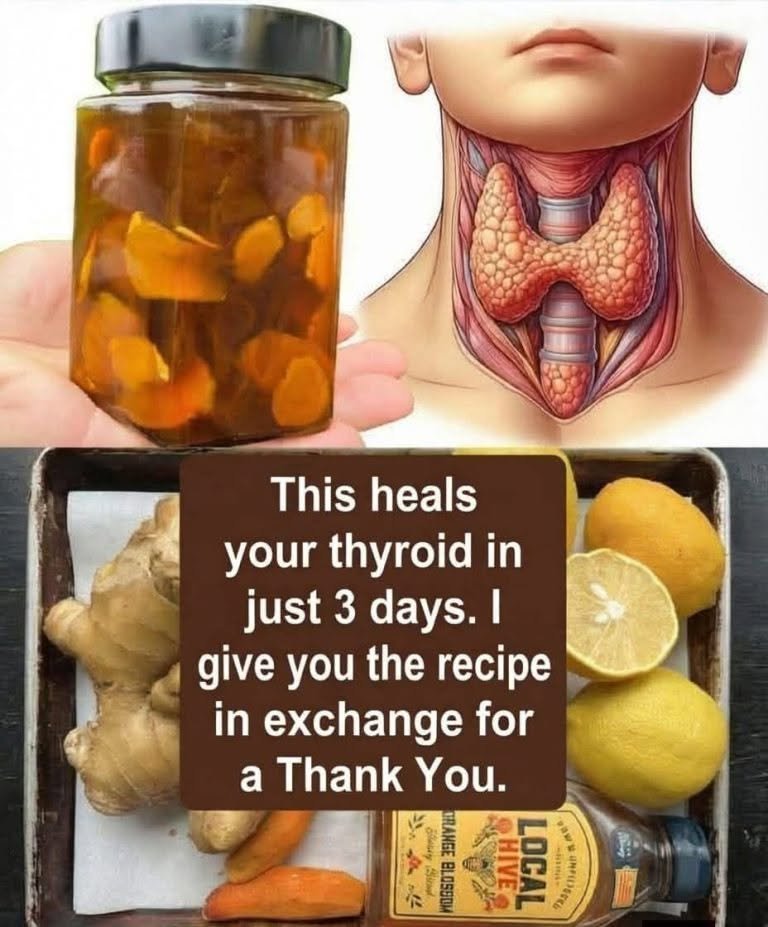

This heals your thyroid in just 3 days
Claims that any food, drink, supplement, or remedy can “heal your thyroid in just 3 days” are misleading. No single remedy or three-day routine can cure or reverse an underlying thyroid condition—such as hypothyroidism (an underactive thyroid), hyperthyroidism (an overactive thyroid), Hashimoto’s thyroiditis, or Graves’ disease—in a matter of days.
The thyroid is a butterfly-shaped gland in the front of your neck that produces hormones (primarily T4 and T3) regulating metabolism, heart rate, body temperature, energy levels, and mood. Because thyroid hormone regulation, autoimmune processes, and glandular tissue changes operate over weeks and months rather than hours, rapid “3-day thyroid cleanse” or “3-day cure” promises oversimplify complex biology and can even carry risks.
Why a “3-Day Thyroid Cure” Does Not Work
1. Thyroid Hormones Work on a Longer Timeline Even when a person with an underactive thyroid starts appropriate daily medication, it typically takes several weeks for blood hormone levels to stabilize and for symptoms like fatigue or cold sensitivity to noticeably improve. A three-day window is far too short to repair glandular function or rebalance hormone signaling.
2. Different Thyroid Conditions Have Opposite Needs A remedy marketed as a quick thyroid fix usually treats the thyroid as if it has only one problem. In reality, an underactive thyroid and an overactive thyroid involve very different underlying mechanisms, and what helps one person may not address another’s condition—or could worsen imbalances if high-iodine or stimulant ingredients are involved.
3. Risk of Excess Iodine or Unregulated Supplements Many viral “thyroid healing” drinks or detoxes rely on concentrated sea kelp, seaweed, iodine drops, or herbal blends. While iodine is required to make thyroid hormones, getting too much iodine—especially if you have autoimmune thyroid disease or an underlying thyroid nodule—can actually trigger or worsen thyroid dysfunction.
4. Underlying Causes Require Proper Evaluation Symptoms often blamed on the thyroid—such as tiredness, weight changes, hair shedding, brain fog, or mood shifts—can also stem from iron deficiency, vitamin deficiencies, sleep issues, stress, or other hormonal conditions. Guessing at a quick fix without testing delays finding the true cause.
Evidence-Based Ways to Support Thyroid Health
While nothing heals a thyroid disorder in three days, consistent medical care and supportive daily habits play an important role in long-term management:
-
Get Proper Blood Tests First: If you suspect a thyroid issue, a healthcare provider can order targeted blood tests (such as TSH, free T4, and sometimes free T3 or thyroid antibodies) to identify what is actually happening before starting treatment.
-
Follow Prescribed Treatment Consistently: If medication is prescribed, taking it consistently as directed—and following timing instructions around food, coffee, calcium, or iron supplements so absorption is not blocked—is essential.
-
Eat a Balanced, Nutrient-Rich Diet: Focus on regular meals with adequate protein, vegetables, fruits, whole grains, and healthy fats. Key nutrients involved in normal thyroid function include iodine (in normal dietary amounts, such as iodized salt or seafood when appropriate), selenium (found in Brazil nuts, fish, eggs, and legumes), zinc, and iron.
-
Support Overall Recovery Habits: Prioritizing consistent sleep, managing chronic stress, and doing regular moderate physical activity support energy, metabolic health, and overall well-being alongside medical care.
When to See a Doctor Promptly
Seek medical evaluation if you notice persistent fatigue, unexplained weight gain or loss, sensitivity to cold or heat, a racing or pounding heartbeat, anxiety or low mood, muscle weakness, menstrual changes, or swelling/a lump in the front of your neck. If you experience rapid heart rate, chest pain, severe shortness of breath, or sudden neck swelling, seek prompt medical attention.