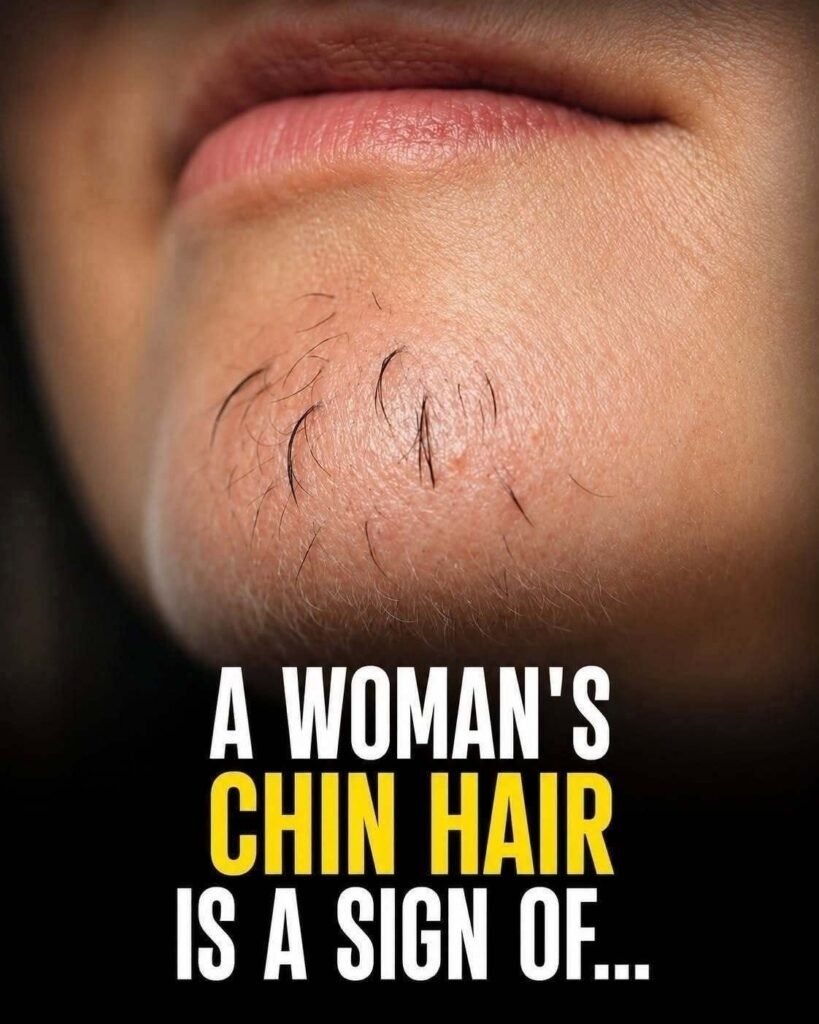

Women’s Chin Hair: Causes and What It Signals
A Woman’s Chin Hair
For most women, having a few stray, coarse chin hairs is completely normal and a routine part of aging, genetics, or minor hormone shifts. When chin hair becomes thick, dark, and dense—a pattern known medically as hirsutism—it usually signals elevated androgen (male-type hormone) activity or heightened hair follicle sensitivity.
Common and Normal Causes
-
Genetics and Ethnicity: Family history heavily dictates hair density and follicle sensitivity. Women of Mediterranean, South Asian, and Middle Eastern descent naturally tend to have more noticeable facial and body hair without any underlying illness.
-
Normal Aging and Perimenopause: As women approach menopause, estrogen levels decline while androgen levels stay relatively steady. That shift in the estrogen-to-androgen ratio commonly triggers thicker hairs on the chin and upper lip.
-
Pregnancy and Postpartum Shifts: Temporary hormone fluctuations during or after pregnancy can stimulate new facial hair growth, which often fades once hormone levels stabilize.
Medical and Hormonal Causes
-
Polycystic Ovary Syndrome (PCOS): The most frequent medical cause of excess chin hair in reproductive-age women. PCOS causes ovaries to produce slightly higher levels of androgens and is often accompanied by irregular periods, stubborn acne, weight changes, or thinning scalp hair.
-
Medications: Certain drugs can trigger unwanted hair growth as a side effect, including anabolic steroids, testosterone therapies, danazol, minoxidil, and some corticosteroids or anti-seizure medications.
-
Cushing’s Syndrome: A rarer condition caused by prolonged exposure to high cortisol levels, often paired with weight gain around the midsection and face, easy bruising, and high blood pressure.
-
Non-Classic Congenital Adrenal Hyperplasia (NCCAH): A mild, inherited enzyme difference in the adrenal glands that leads to excess androgen production, often mimicking PCOS.
-
Insulin Resistance: High insulin levels stimulate the ovaries to produce more testosterone, which encourages coarse hair growth along the jawline and chin.
-
Rare Androgen-Secreting Tumors: Very rarely, a sudden and rapid surge in coarse facial hair—especially when paired with a deepening voice or clitoral enlargement—can point to a tumor on the ovaries or adrenal glands.
When to See a Doctor
Occasional plucking or shaving is harmless and does not make hair grow back thicker. However, a medical evaluation (typically basic blood panels for testosterone, DHEA-S, thyroid function, and insulin/glucose) is worth scheduling if chin hair appears alongside any of the following:
-
Rapid onset: Thick, dark hair appears suddenly over just a few months rather than gradually over years.
-
Menstrual changes: Periods become irregular, infrequent, or stop altogether.
-
Other signs of high androgens: New cystic acne along the jawline, thinning hair at the crown, or a noticeably deeper voice.
-
Broad distribution: Coarse hair also spreads across the chest, lower abdomen, upper back, or inner thighs.