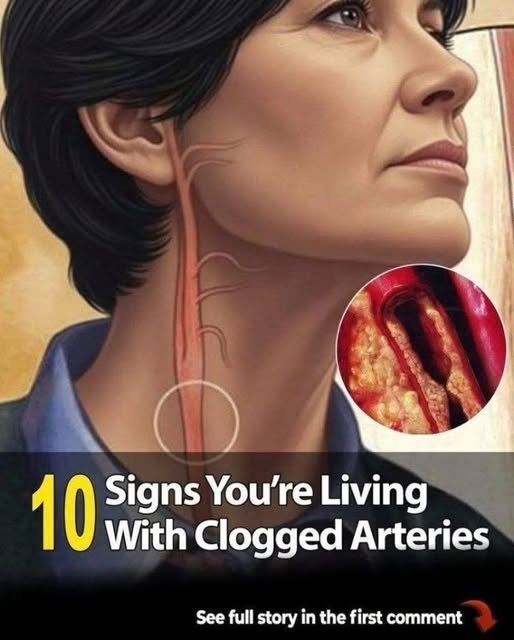

10 Indicators of Blocked Arteries You Shouldn’t Ignore
Blocked or narrowed arteries occur when fatty deposits, cholesterol, and other substances—known as plaque—build up inside arterial walls (atherosclerosis), restricting blood flow to vital organs and limbs. Symptoms depend on which arteries are affected and how severely blood flow is reduced.
10 Indicators Linked to Narrowed or Blocked Arteries
-
Chest Pressure, Tightness, or Discomfort (Angina): A squeezing, heavy, or aching sensation in the center or left side of the chest, often triggered by exertion, cold weather, or emotional stress and easing with rest.
-
Pain Radiating to Jaw, Neck, Back, Shoulder, or One Arm: Discomfort from reduced coronary blood flow that spreads beyond the chest into the upper back, shoulders, neck, jaw, or down one or both arms.
-
Shortness of Breath During Routine Activity: Feeling winded or out of breath while walking, climbing stairs, or lying flat—sometimes appearing even before obvious chest pain.
-
Leg Cramping or Aching While Walking (Claudication): Tightness, cramping, or fatigue in the calves, thighs, or buttocks during walking that reliably subsides after a few minutes of rest, pointing to peripheral artery narrowing.
-
Cold Feet or Lower Legs Compared to the Rest of the Body: Reduced circulation in the lower extremities causing one or both feet or lower legs to feel noticeably cooler or look pale or bluish.
-
Slow-Healing Sores or Skin Changes on Feet and Toes: Wounds, blisters, or ulcers on the toes or feet that heal slowly, alongside shiny skin or reduced hair growth on the lower legs due to poor oxygen delivery.
-
Unexplained Fatigue or Dizziness on Exertion: Unusual tiredness, lightheadedness, or weakness during everyday tasks when tissues do not receive enough oxygenated blood.
-
Sudden Weakness, Numbness, or Tingling on One Side: Weakness or numbness in the face, arm, or leg—especially on one side of the body—linked to narrowed or blocked carotid or cerebral arteries.
-
Sudden Speech Trouble or Vision Changes: Slurred speech, difficulty finding words, or sudden blurred, double, or temporary vision loss in one eye.
-
Erectile Dysfunction: Difficulty achieving or maintaining an erection, which can appear early because penile blood vessels are smaller than coronary arteries and show reduced blood flow sooner.
Affected Arterial Regions and Primary Manifestations
| Arterial Territory | Primary Condition | Typical Warning Signs |
| Coronary Arteries | Coronary artery disease | Chest pressure/tightness, radiating upper-body pain, exertional shortness of breath |
| Carotid & Cerebral Arteries | Carotid / cerebrovascular disease | One-sided weakness or numbness, slurred speech, sudden vision changes, dizziness |
| Peripheral (Leg) Arteries | Peripheral artery disease (PAD) | Calf/thigh cramping on walking, cold feet/legs, slow-healing foot sores |
Immediate Action vs. Routine Evaluation
-
Seek emergency care immediately: Sudden or severe chest pain/pressure, shortness of breath, fainting, or sudden one-sided weakness, numbness, speech trouble, or vision loss require urgent emergency medical attention.
-
Schedule prompt medical evaluation: Gradual exertional discomfort, leg cramping when walking, cold or slow-healing feet, or new erectile issues warrant timely clinical assessment, blood pressure and lipid checks, and diagnostic testing.