
10 Indicators of Blocked Arteries You Shouldn’t Ignore
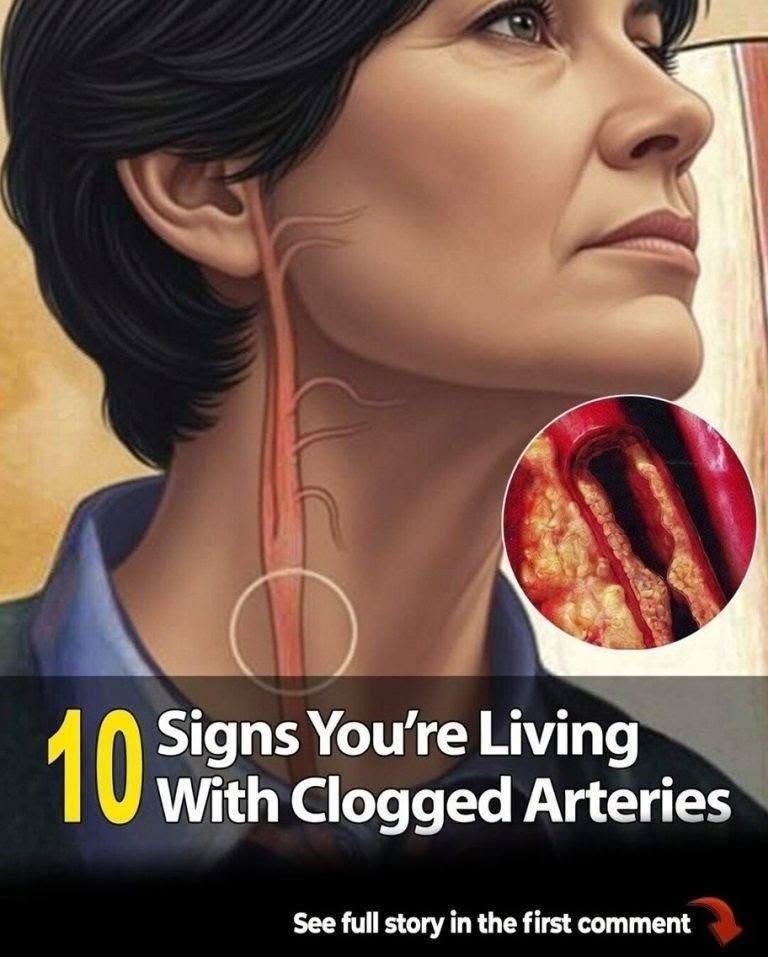
Blocked or narrowed arteries can develop when plaque builds up inside blood vessels, a process known as atherosclerosis. It can affect arteries supplying the heart, brain, legs, and other organs.
Importantly, arterial narrowing can exist without noticeable symptoms, so symptoms alone cannot reliably tell you whether an artery is blocked.
1. Chest Pressure or Pain
Pressure, squeezing, tightness, or discomfort in the chest—particularly during physical activity—can occur when the heart isn’t receiving enough blood.
Pain may spread to the arm, shoulder, back, neck, jaw, or upper abdomen.
2. Shortness of Breath
Breathlessness during activity can occur when the heart isn’t receiving enough oxygen-rich blood or when heart function is affected by cardiovascular disease.
Shortness of breath has many possible causes, so it shouldn’t automatically be attributed to blocked arteries.
3. Pain or Cramping in the Legs While Walking
Narrowed arteries supplying the legs can cause intermittent claudication—aching or cramping in the calf, thigh, or buttock that appears during walking and improves after resting.
This pattern deserves medical evaluation.
4. Cold Feet or Legs
Reduced blood flow can sometimes cause one foot or leg to feel noticeably colder than the other.
Persistent or significant temperature differences should be assessed, particularly when accompanied by pain or changes in skin color.
5. Slow-Healing Wounds on the Feet or Legs
Poor circulation can make it harder for wounds on the lower legs and feet to heal.
A wound that isn’t healing normally, especially in someone with diabetes or known vascular disease, should be evaluated.
6. Numbness or Weakness
Reduced circulation can cause numbness, weakness, or unusual sensations in an affected limb.
Sudden weakness or numbness, especially on one side of the body, is an emergency because it can indicate a stroke.
7. Changes in Skin Color
Poor arterial circulation can cause the skin of a foot or leg to become unusually pale, bluish, or darker than normal.
A sudden change in color accompanied by severe pain or coldness requires urgent medical attention.
8. Erectile Dysfunction
In some men, erectile dysfunction can be associated with vascular disease because healthy erections require adequate blood flow.
It isn’t proof that a coronary artery is blocked, but persistent erectile dysfunction can be a reason to discuss cardiovascular risk with a healthcare professional.
9. Dizziness or Neurological Symptoms
Narrowing of arteries supplying the brain can contribute to transient ischemic attacks (TIAs) or strokes.
Warning symptoms can include sudden difficulty speaking, facial drooping, vision changes, weakness, numbness, or loss of coordination.
These symptoms require emergency medical attention, even if they disappear after a few minutes.
10. No Symptoms at All
Perhaps the most important point is that atherosclerosis can be silent.
Someone can have significant plaque buildup without obvious warning symptoms. That’s why controlling blood pressure, cholesterol, diabetes, smoking, and other cardiovascular risk factors is so important.
When It’s an Emergency
Call emergency medical services immediately for symptoms suggesting a heart attack or stroke, including:
-
Severe or persistent chest pressure
-
Difficulty breathing
-
Sudden facial drooping
-
Sudden weakness or numbness
-
Sudden difficulty speaking or understanding speech
-
Sudden loss of vision
-
Sudden severe dizziness or loss of coordination
Bottom Line
There isn’t a single symptom that proves an artery is blocked. Chest discomfort with exertion, walking-related leg pain, poor wound healing, and sudden neurological symptoms can be important clues, while many people with atherosclerosis have no symptoms at all.
The most useful approach is to identify and manage cardiovascular risk factors and seek medical evaluation when concerning symptoms appear.