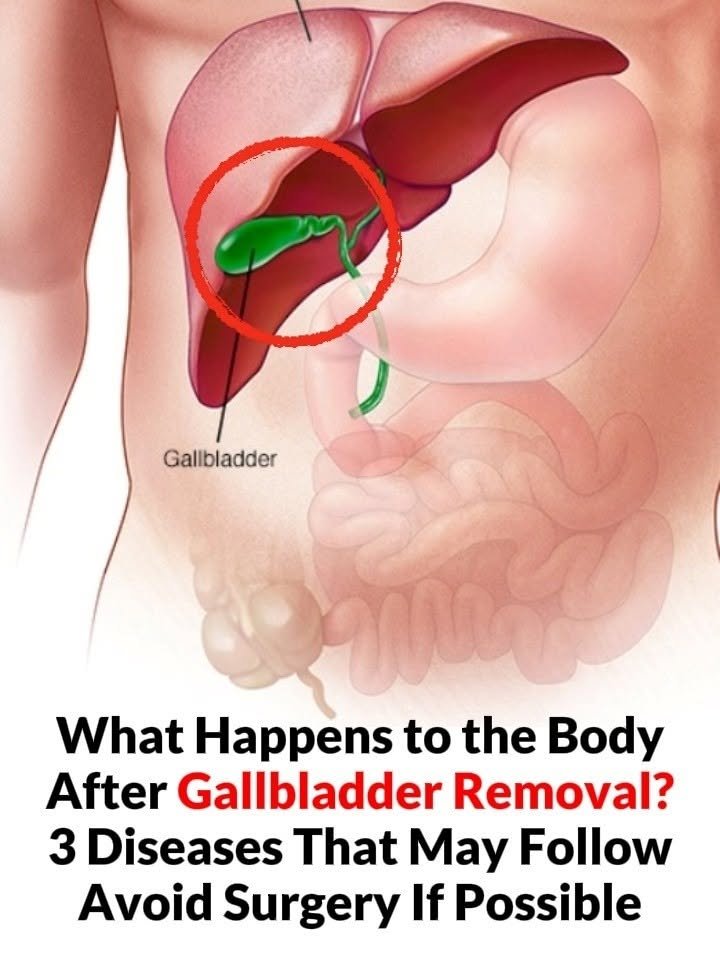

The gallbladder plays an important role in digestion, but can you live a healthy life without it?
Yes! Most people live normal, healthy lives after gallbladder removal. However, some people experience digestive changes or complications after surgery.
The gallbladder stores bile, a digestive fluid produced by the liver. When you eat fatty foods, it releases bile into the small intestine to help digest fats.
When the gallbladder is removed, your liver continues producing bile, but bile flows directly into your intestine instead of being stored and released by the gallbladder.
This change can affect digestion, particularly in the weeks following surgery.
Important: Gallbladder removal is not something everyone should avoid. For certain conditions, such as acute gallbladder inflammation or complications from gallstones, surgery can be necessary and potentially lifesaving.
3 Possible Problems After Gallbladder Removal
These are not inevitable diseases. They are possible digestive problems or complications that some people experience.
1. Chronic Diarrhea (Bile Acid Diarrhea)
A recognized digestive problem after gallbladder removal.
Without a gallbladder, bile flows more continuously from the liver into the intestine.
In some people, excess bile acids reach the large intestine and stimulate bowel movements.
Possible symptoms:
-
Frequent loose stools.
-
Diarrhea after eating.
-
Urgent need to use the bathroom.
-
Abdominal cramps.
-
Increased bowel movements after fatty meals.
What may help:
-
Eat smaller meals.
-
Reduce greasy and high-fat foods initially.
-
Gradually introduce fiber.
-
Ask your doctor about bile acid-binding medication if diarrhea persists.
This condition is often treatable.
2. Acid Reflux and Persistent Indigestion
Some people experience digestive discomfort after gallbladder removal.
Possible symptoms include:
-
Upper abdominal discomfort.
-
Bloating and excessive gas.
-
Nausea.
-
Heartburn.
-
Acid or bitter-tasting fluid coming into the throat.
However, gallbladder removal does not automatically cause acid reflux. Other digestive conditions may also explain these symptoms.
What may help:
-
Eat smaller portions.
-
Avoid large, greasy meals.
-
Avoid lying down immediately after eating.
-
Seek medical evaluation if symptoms continue.
3. Bile Duct Problems and Pancreatitis
Although uncommon, some people develop complications involving the bile ducts after surgery.
These may include:
-
Retained or newly formed bile duct stones.
-
Bile leakage.
-
Bile duct injury or narrowing.
-
Inflammation of the pancreas (pancreatitis).
Warning symptoms can include severe upper abdominal pain, vomiting, fever, and yellowing of the skin or eyes.
These symptoms require prompt medical attention
How to Protect Your Digestive Health After Surgery
Here are some practical recommendations:
-
Eat smaller meals throughout the day.
-
Limit fried foods and excessive fats, especially during early recovery.
-
Include vegetables, fruits, and fiber gradually.
-
Drink enough water.
-
Avoid foods that repeatedly trigger digestive symptoms.
-
Maintain a healthy weight.
-
Follow your surgeon’s recovery instructions.
You generally do not need to follow a permanently restrictive diet after gallbladder removal.
Should You Avoid Gallbladder Surgery?
Important medical distinctionNot necessarily.
The decision depends on your diagnosis and symptoms.
| Gallbladder condition | Usual approach |
|---|---|
| Silent gallstones without symptoms | Often observation |
| Repeated painful gallstone attacks | Surgery commonly recommended |
| Acute gallbladder inflammation | Usually urgent medical treatment and surgery |
| Gallstones blocking the bile duct | May require endoscopic treatment and surgery |
| Severe gallbladder infection | Urgent specialist care |
According to the National Institute of Diabetes and Digestive and Kidney Diseases (NIDDK), people with gallstones that cause no symptoms often do not need treatment. However, symptomatic gallstones commonly require gallbladder removal.
When to Seek Medical Attention
If you have gallstones, seek urgent medical care if you develop:
-
Severe or persistent abdominal pain.
-
Fever or chills.
-
Yellow eyes or skin.
-
Persistent vomiting.
-
Dark urine or unusually pale stools.
These can indicate serious complications.
Final Thoughts
Living without a gallbladder is entirely possible, and most people return to normal eating and daily activities.
The three possible problems worth understanding are:
-
Bile acid diarrhea.
-
Reflux and persistent indigestion.
-
Bile duct complications and pancreatitis.
The most important lesson: Don’t rush into unnecessary surgery, but don’t delay necessary surgery out of fear. Discuss the benefits, risks, and alternatives with a qualified surgeon.
A question for readers
Have you had your gallbladder removed, or has your doctor recommended surgery because of gallstones?
Your experience and questions may help others understand this important health decision.