
What Does the Color of Your Urine Say About Your Health?
Urine color can provide clues about hydration and, sometimes, what is happening inside the body. A change in color is often harmless, but a persistent or unusual color—especially when accompanied by pain, fever, or other symptoms—can deserve medical attention.
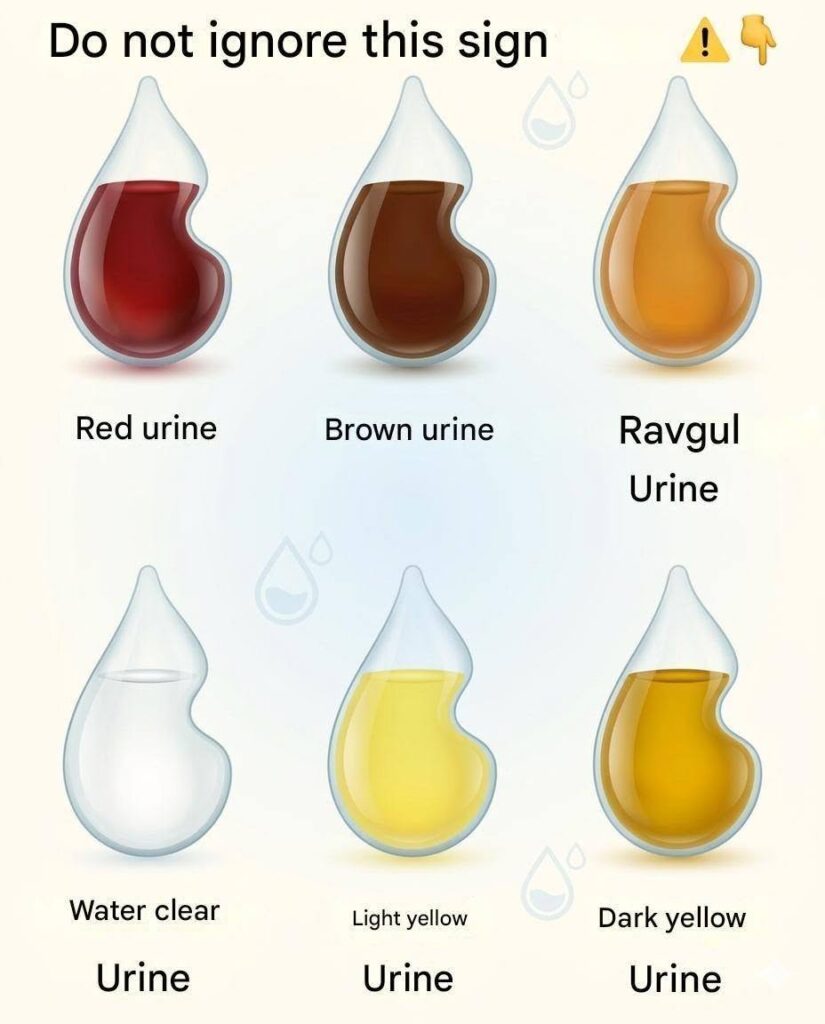
Clear or Very Pale Urine
Very pale or nearly clear urine often means you have been drinking plenty of fluids. Occasionally having clear urine is generally not concerning. If urine is consistently completely clear while you are drinking unusually large amounts of water, however, it may be worth discussing with a healthcare professional.
Pale Yellow
Pale yellow or straw-colored urine is commonly associated with good hydration. This is often considered a normal urine color.
Dark Yellow
Dark yellow urine is frequently a sign that urine is concentrated, which can happen when you have not consumed enough fluids. Drinking water regularly may gradually return the urine to a lighter yellow color.
Amber or Honey-Colored
Amber urine can indicate more concentrated urine and possible dehydration, particularly after sweating, exercise, vomiting, diarrhea, or simply not drinking enough.
If the dark color persists despite adequate fluid intake, it should not automatically be attributed to dehydration.
Pink or Red
Pink, red, or reddish-brown urine can sometimes occur after eating certain foods, such as beets, but it can also indicate blood in the urine.
Blood in urine can have several causes, including urinary tract infections, kidney stones, or other urinary-tract conditions. If urine appears red or pink without an obvious dietary explanation, medical evaluation is appropriate.
Brown or Tea-Colored
Brown or tea-colored urine can occur with significant dehydration, certain medications, or particular medical conditions. It can sometimes be associated with problems involving the liver or muscles.
Persistent brown urine should be evaluated by a healthcare professional, particularly if accompanied by yellowing of the skin or eyes, abdominal pain, weakness, or other symptoms.
Orange
Orange urine may result from dehydration, certain medications, or some supplements. It can occasionally be associated with liver or bile-duct problems, especially when accompanied by yellow skin or eyes or unusually pale stools.
Blue or Green
Blue or green urine is uncommon. Certain medications, food dyes, and medical dyes can cause these colors. Some infections can also produce unusual urine colors.
If the color cannot be explained by something you recently consumed or a medication you are taking, seek medical advice.
Cloudy or Milky Urine
Cloudy urine can sometimes occur because of crystals, mucus, dehydration, or a urinary tract infection. If cloudiness occurs together with burning during urination, frequent urination, pelvic discomfort, fever, or an unpleasant smell, a healthcare professional should assess it.
When to Pay Attention
Urine color by itself cannot diagnose a disease. What matters is the overall pattern and whether other symptoms are present.
Seek medical advice for persistent unexplained changes, especially red or brown urine, pain while urinating, fever, severe back or side pain, yellowing of the skin or eyes, or significantly reduced urine output.
A simple change in urine color is often related to hydration, food, vitamins, or medication—but persistent or unexplained changes are worth checking rather than ignoring.