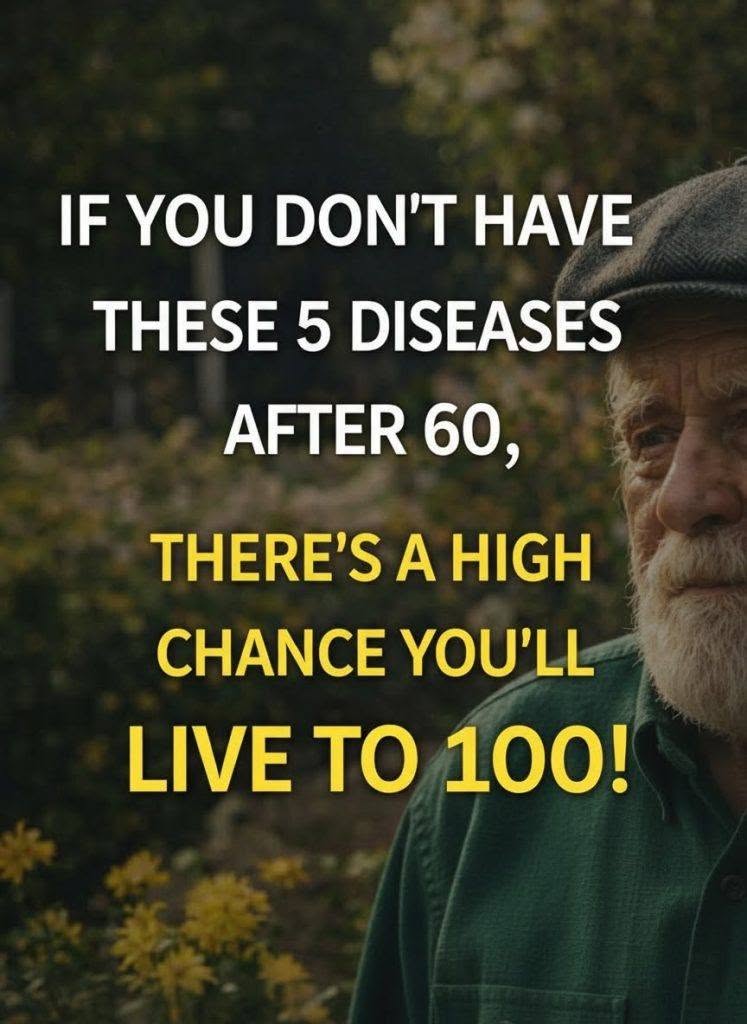

If You Reach 60 Without These 5 Diseases, Does It Mean You Could Live to 100?
Reaching 60 without major chronic diseases is certainly a positive sign for long-term health, but no list of five diseases can reliably predict that someone will live to 100. Longevity depends on many factors, including genetics, lifestyle, environment, medical care, and social circumstances.
1. Heart Disease
Cardiovascular disease is a major cause of illness and death worldwide. Keeping blood pressure, cholesterol, blood sugar, and other cardiovascular risk factors under control can support healthier aging.
2. Type 2 Diabetes
Long-term uncontrolled diabetes can damage blood vessels and organs, including the heart, kidneys, eyes, and nerves. Maintaining healthy blood-sugar levels can reduce these complications.
3. Certain Cancers
Cancer risk generally increases with age. Avoiding tobacco, maintaining a healthy lifestyle, following recommended screening schedules, and discussing unusual or persistent symptoms with a healthcare professional can help with prevention and early detection.
4. Stroke and Related Vascular Disease
High blood pressure, smoking, diabetes, high cholesterol, and physical inactivity can increase stroke risk. Managing these factors becomes increasingly important as people age.
5. Chronic Lung Disease
Conditions such as chronic obstructive pulmonary disease can affect breathing and overall health. Avoiding smoking and exposure to harmful airborne substances is particularly important for protecting lung function.
What Matters After 60?
Being free of major chronic diseases at 60 is encouraging, but it doesn’t guarantee exceptional longevity. People who live into their 90s and beyond often benefit from several protective factors, including:
- Regular physical activity
- A nutritious, balanced diet
- Not smoking
- Maintaining healthy blood pressure and cholesterol
- Good sleep habits
- Staying socially and mentally engaged
- Regular preventive healthcare
- Maintaining strength, balance, and mobility
Bottom Line
Reaching 60 without major chronic disease may indicate a healthier starting point for later life, but it cannot predict that you will reach 100. The goal should be to preserve physical function, prevent disease where possible, and maintain quality of life throughout the years ahead.