
Dry Mouth Is Not Just Aging — What May Really Be Causing It
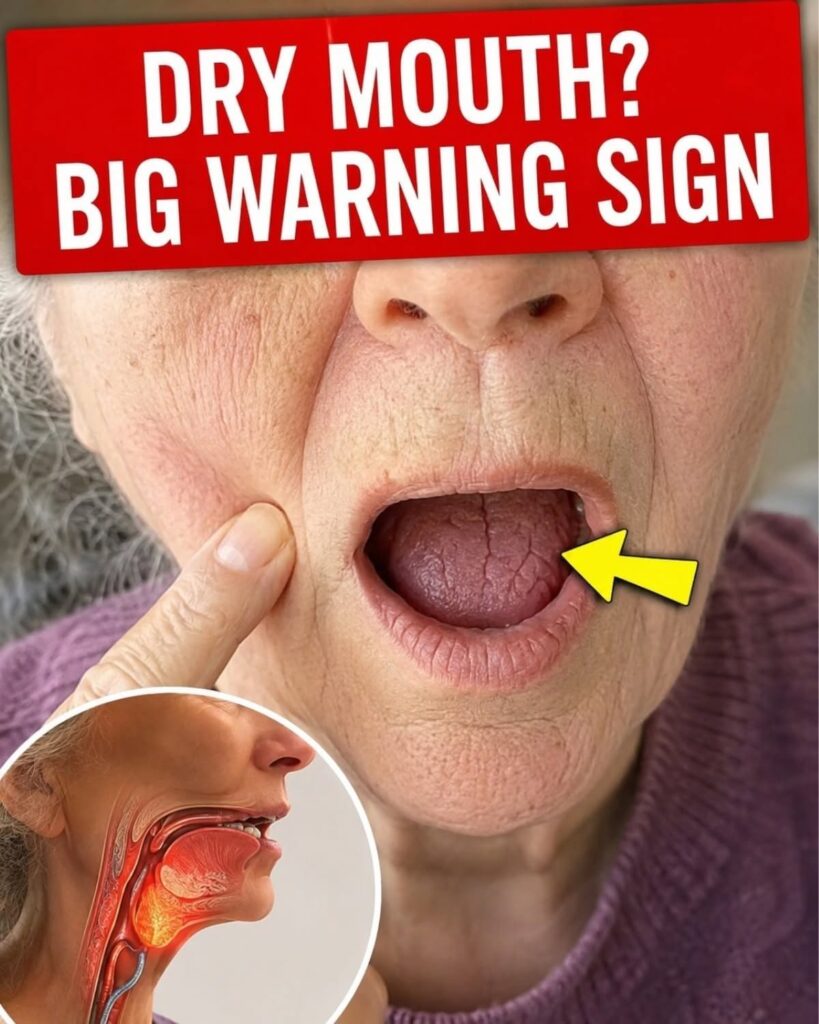
Dry mouth, medically called xerostomia, is common, particularly among older adults. But persistent dry mouth should not simply be dismissed as an unavoidable part of getting older.
Aging itself does not necessarily cause the salivary glands to stop working. Instead, dry mouth is often related to medications, dehydration, medical conditions, or changes affecting the salivary glands and nervous system.
Saliva is important for much more than keeping the mouth comfortable. It helps lubricate the mouth, supports swallowing and speaking, protects teeth, and helps control harmful bacteria.
1. Medications Are a Common Cause
Many commonly used medications can reduce saliva production or make the mouth feel dry.
These may include certain medications used for allergies, depression, high blood pressure, bladder problems, and other conditions.
If dry mouth began after starting or changing a medication, discuss it with your healthcare professional. Do not stop a prescribed medication on your own.
2. Dehydration Can Make Dryness Worse
Not drinking enough fluids, sweating heavily, vomiting, diarrhea, fever, or simply having limited access to fluids can contribute to dry mouth.
Older adults may also experience reduced thirst, making it easier to become dehydrated.
Regularly drinking appropriate amounts of fluid can help, although people who have been instructed to restrict fluids because of a medical condition should follow their healthcare professional’s advice.
3. Mouth Breathing Can Dry the Mouth
Breathing through your mouth, especially during sleep, can leave your mouth extremely dry in the morning.
Nasal congestion, allergies, structural nasal problems, and sleeping with the mouth open can all contribute.
Treating the underlying nasal problem may improve the dryness.
4. Diabetes and Other Health Conditions Can Play a Role
Persistent dry mouth can sometimes occur alongside conditions such as diabetes.
Other possible contributors include autoimmune disorders that affect saliva production, certain neurological conditions, and problems involving the salivary glands.
Dry mouth alone cannot diagnose any of these conditions, but persistent symptoms are worth discussing with a healthcare professional.
5. Stress and Anxiety Can Temporarily Reduce Saliva
Stress can change the way the body functions and may temporarily reduce saliva production.
If your mouth becomes noticeably dry during stressful situations but returns to normal afterward, stress may be contributing.
Persistent dryness, however, shouldn’t automatically be blamed on stress.
Why Saliva Matters
A healthy amount of saliva helps protect the mouth in several ways.
It:
- Keeps oral tissues moist
- Helps with chewing and swallowing
- Helps begin the digestive process
- Helps wash food particles away
- Helps protect teeth from acids
- Supports a healthy oral environment
When saliva remains low for an extended period, the risk of tooth decay, gum problems, mouth irritation, and difficulty eating or speaking can increase.
What You Can Do for Dry Mouth
Several simple measures may provide relief:
Sip Water Regularly
Small, frequent sips can be more comfortable than drinking a large amount at once.
Chew Sugar-Free Gum
Sugar-free gum can stimulate whatever natural saliva production remains. Products containing xylitol may also be useful for dental health when used appropriately.
Avoid Excessive Caffeine and Alcohol
These can worsen dryness for some people. Alcohol-containing mouthwashes may also feel irritating or drying.
Use a Humidifier at Night
If the air in your bedroom is particularly dry, a clean humidifier may make nighttime mouth dryness more comfortable.
Protect Your Teeth
Because dry mouth increases the risk of cavities, maintain good oral hygiene with fluoride toothpaste and regular dental care.
When Should Dry Mouth Be Checked?
Make an appointment with a dentist or healthcare professional if dry mouth:
- Persists for several weeks
- Makes eating or swallowing difficult
- Causes frequent mouth sores or irritation
- Is accompanied by significant thirst or frequent urination
- Is associated with worsening dental problems
- Began after starting a medication
- Is severe enough to interfere with sleep or daily activities
A professional can review your medications, health history, oral health, and other possible causes.
The Bottom Line
Dry mouth isn’t simply a normal consequence of aging, and it doesn’t necessarily mean your saliva glands are “shutting down.” In many cases, there is an identifiable reason—often medication effects, dehydration, mouth breathing, or an underlying health condition.
Because saliva plays an important protective role, persistent dry mouth deserves attention rather than being ignored. Identifying the cause can often make the condition much easier to manage.