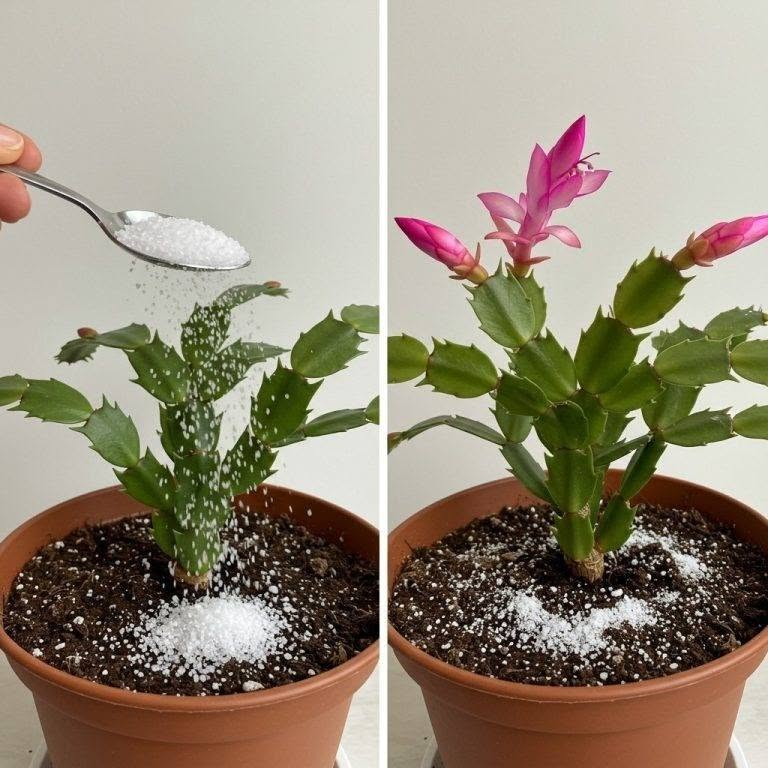

Fall Awakening: Breathing Life into House Flowers with a Little Secret
As temperatures begin to cool in fall, many houseplants naturally slow their growth. Leaves may look less vibrant, flowers may fade, and some plants can seem as though they have stopped growing altogether. The good news is that a few simple changes can help your indoor flowers stay healthy and encourage new growth.
The Little Secret: Better Light
One of the easiest ways to help house flowers in fall is to give them more suitable light. As the days become shorter, plants may receive significantly less sunlight than they did during summer.
Move flowering plants closer to a bright window, but avoid suddenly placing plants that prefer indirect light in strong direct sunlight. If natural light is limited, an appropriate indoor grow light can also help.
Clean Dust From the Leaves
Dust can accumulate on broad leaves and make plants look dull. It can also interfere with how efficiently leaves use available light.
Gently wipe large leaves with a clean, slightly damp microfiber cloth. Avoid using household cleaners, oils, or shiny-leaf products.
Adjust Your Watering
Fall usually means slower growth, so many houseplants need less water than they did during the warmer months.
Don’t water according to a strict calendar. Instead, check the soil. If the top portion has dried according to the needs of that particular plant, water thoroughly and allow excess water to drain away.
Overwatering can be especially problematic when growth slows because the soil may remain wet for longer.
Give Plants a Gentle Nutrient Boost
If a flowering houseplant is actively growing, an appropriately formulated houseplant fertilizer can provide nutrients it needs. Follow the product’s directions carefully.
Avoid adding large amounts of homemade ingredients such as coffee grounds, sugar, milk, or kitchen scraps. These aren’t guaranteed flowering treatments and can create problems with mold, odors, or pests.
Remove Faded Flowers
Once flowers have finished blooming, carefully remove the spent blooms and damaged leaves. This keeps the plant tidy and can allow it to concentrate its resources on healthy new growth.
Use clean scissors when cutting stems to reduce the chance of spreading plant diseases.
Keep the Temperature Comfortable
Most common houseplants prefer relatively stable indoor temperatures. Keep them away from cold drafts, heating vents, and sudden temperature changes.
Don’t place a plant directly against a cold window if nighttime temperatures drop significantly.
Give Your House Flowers Time
There isn’t one secret ingredient that can instantly bring every houseplant back to life. Fall plant care is mainly about adjusting to shorter days and cooler conditions.
With suitable light, careful watering, occasional feeding when appropriate, clean leaves, and stable temperatures, many indoor flowering plants can remain healthy through fall and continue producing attractive new growth when conditions are right.