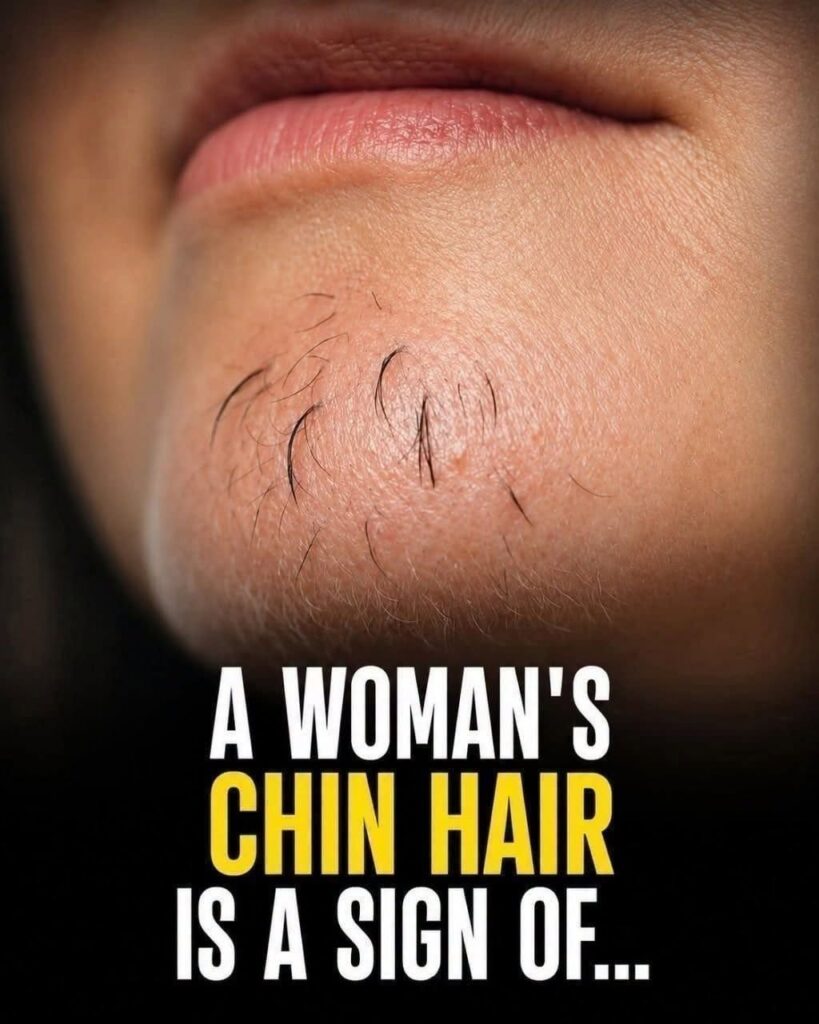

Chin Hair in Women: What Does It Mean?
A few chin hairs in a woman are very common and usually not a sign of anything serious. Facial hair can become more noticeable with age, genetics, and normal hormonal changes.
1. Normal Hormonal Changes
Women naturally produce small amounts of androgens (hormones such as testosterone). If hair follicles are sensitive to these hormones, coarse, dark hairs can grow on the chin, upper lip, or jawline.
This can become more noticeable:
-
During the 30s and 40s
-
Around menopause
-
After stopping or changing hormonal contraception
-
With normal changes in hormone levels
2. Genetics
Genetics play a major role. If your mother or other female relatives have facial hair, you may be more likely to develop it too.
In this situation, chin hair does not necessarily indicate a hormonal disorder.
3. PCOS (Polycystic Ovary Syndrome)
One possible medical cause of excessive facial hair is PCOS. PCOS can cause increased androgen activity and may be associated with:
-
Excess chin or facial hair
-
Irregular or missed periods
-
Acne
-
Weight gain or difficulty losing weight
-
Thinning hair on the scalp
-
Difficulty becoming pregnant
Having one or two chin hairs does not mean you have PCOS.
4. Menopause and Perimenopause
As estrogen levels decrease during perimenopause and menopause, facial hair may become more noticeable. Some women notice thicker chin or upper-lip hairs while simultaneously experiencing thinning scalp hair.
This can be a normal part of aging.
5. When to See a Doctor
It’s a good idea to speak with a doctor if facial hair:
-
Appears suddenly or increases rapidly
-
Becomes very thick or widespread
-
Occurs along with irregular periods
-
Is accompanied by severe acne
-
Comes with significant scalp hair loss
-
Occurs with a deeper voice or increased muscle development
Rapidly developing symptoms deserve medical evaluation because, although uncommon, they can indicate a more significant hormonal problem.
What Can You Do About Chin Hair?
For a few unwanted hairs, simple cosmetic methods are generally sufficient:
-
Tweezing: Good for a small number of individual hairs.
-
Threading: Can remove multiple facial hairs.
-
Shaving: Safe and does not make the hair grow back thicker.
-
Waxing: Removes hair from the root but may irritate sensitive skin.
-
Laser hair removal: Can provide longer-term reduction, particularly when the hair is dark.
-
Electrolysis: Can permanently destroy individual hair follicles and is useful for smaller areas.
Important
There is no food or home recipe that can reliably stop hormonal chin hair growth. If excessive facial hair is caused by a hormonal condition, treating the underlying condition is more effective than relying on home remedies.
If you tell me your age, whether your periods are regular, and whether you have only a few chin hairs or lots of facial hair, I can explain the most likely causes in your situation.