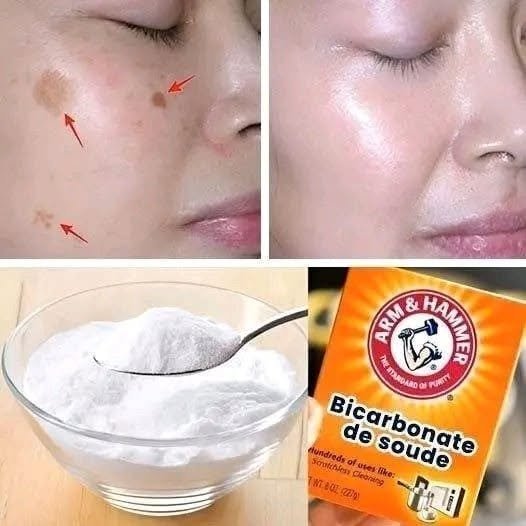

4 Ways to Erase Age Spots with Baking Soda for Younger, More Even Skin
Headlines promising “4 ways to erase age spots with baking soda” tap into a strong desire for simple, low-cost ways to achieve clearer, more even-toned skin. However, from a dermatological standpoint, baking soda does not actually erase age spots, and putting it on your skin can easily do more harm than good.
Age spots—medically known as solar lentigines or liver spots—are flat tan, brown, or dark spots caused by excess melanin production triggered by ultraviolet (UV) light exposure over time. Because the extra pigment sits within the cells of the epidermis rather than sitting on the surface like dirt or dead skin, scrubbing with household baking soda cannot dissolve or erase it. Worse, alkaline baking soda disrupts your skin’s natural protective barrier, which can trigger irritation, dryness, and even darker patches of post-inflammatory hyperpigmentation.
Why Baking Soda Is Problematic for Skin
Healthy skin maintains a slightly acidic surface layer—often called the acid mantle—typically around a pH of 4.5 to 5.5. This mild acidity helps keep beneficial microbes balanced, locks in moisture, and protects against irritants and bacteria.
Baking soda (sodium bicarbonate) is alkaline, with a pH around 8 to 9. Applying it repeatedly to the face, hands, chest, or shoulders can:
-
Strip the skin barrier: Raising the skin’s surface pH weakens its lipid barrier, leading to tightness, flaking, redness, and stinging.
-
Cause physical micro-irritation: Baking soda granules are abrasive and uneven, especially when rubbed vigorously onto delicate facial or neck skin.
-
Trigger rebound darkening: Whenever irritated or inflamed skin heals, pigment-producing cells (melanocytes) can produce extra melanin—meaning harsh DIY scrubs sometimes make dark spots look more noticeable rather than lighter.
The “4 Ways” Often Circulating Online—and What Happens Instead
1. Baking Soda and Water Paste Scrubs
How the trend describes it: Mixing baking soda with a small amount of water into a paste and massaging it over dark spots for a minute or two before rinsing.What actually happens: The paste acts as a harsh physical abrasive that only scours surface dead skin cells. It does not reach excess pigment deeper in the epidermis, while frequent friction can leave the skin raw, dry, and prone to irritation.
2. Baking Soda and Lemon Juice Spot Treatments
How the trend describes it: Combining baking soda with fresh lemon juice to create a fizzing or brightening mask aimed at lightening age spots.What actually happens: Mixing an alkaline base (baking soda) with a strong acid (lemon juice) creates a chaotic chemical reaction that throws off skin pH. Lemon juice also contains compounds called furocoumarins that can cause phytophotodermatitis—a severe sun-sensitizing skin reaction that leads to redness, blistering, and stubborn dark marks when exposed to sunlight.
3. Baking Soda and Apple Cider Vinegar or Honey Mixtures
How the trend describes it: Blending baking soda with honey or diluted vinegar to soothe the skin while targeting uneven tone.What actually happens: While honey has mild humectant and soothing qualities on its own, pairing it with baking soda still exposes the skin to an alkaline scrub that can disrupt barrier comfort. Using vinegar alongside baking soda neutralizes much of the acid-base balance while still risking irritation on sensitive skin.
4. Overnight or Extended Baking Soda Poultices
How the trend describes it: Leaving a baking soda paste or mixture sitting on age spots for extended periods or overnight to “draw out” discoloration.What actually happens: Leaving an alkaline paste on the skin for long stretches markedly increases the risk of irritant contact dermatitis, burning, dryness, and barrier damage. Longer contact time does not speed up pigment fading; it only increases the chance of inflammation.
Safer, Proven Ways to Fade Age Spots and Even Skin Tone
If your goal is to gradually fade existing age spots and stop new ones from forming, dermatologists recommend targeted, evidence-based care rather than kitchen abrasives:
-
Wear Daily Broad-Spectrum Sunscreen: Applying broad-spectrum sunscreen (SPF 30 or higher) every morning—and reapplying when outdoors—is the single most important step. UV light stimulates melanin production, so skipping sun protection keeps age spots dark and causes new ones to appear even when you use brightening products.
-
Use Proven Topical Brightening Ingredients: Over-the-counter and prescription ingredients with strong clinical backing include vitamin C (an antioxidant that helps brighten uneven tone and defend against oxidative stress), azelaic acid, kojic acid, niacinamide, alpha arbutin, and retinoids (which encourage healthier cell turnover over weeks to months).
-
Choose Gentle Chemical Exfoliants Over Gritty Scrubs: Mild leave-on acids (such as low-strength glycolic, lactic, or mandelic acid used a few times a week) dissolve dead surface cells evenly without gritty friction, provided your skin tolerates them well.
-
Consider In-Office Dermatological Treatments: For stubborn or long-standing age spots, a dermatologist can discuss targeted professional options such as chemical peels, cryotherapy, microneedling combinations, or laser/light therapies tailored to your specific skin tone.
When to Have a Spot Checked by a Doctor
Not every brown or dark spot on the skin is a harmless age spot. Have a doctor or dermatologist evaluate any spot that changes in size, shape, or color, has irregular or jagged borders, contains multiple shades, bleeds, itches, or looks noticeably different from your other spots (“the ugly duckling” sign). Prompt evaluation ensures benign sun spots are managed safely while ruling out conditions that need medical care.