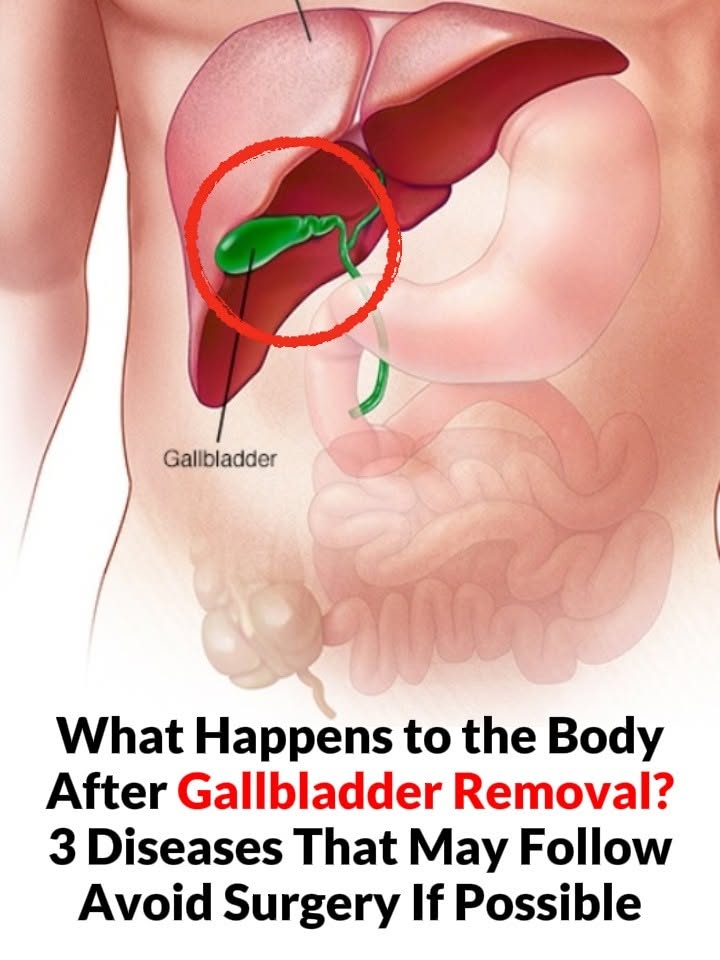

What Happens to the Body After Gallbladder Removal? Possible Long-Term Effects
Gallbladder removal, called a cholecystectomy, is a common operation used to treat problems such as painful gallstones and inflammation of the gallbladder. Most people can live normally without a gallbladder.
The gallbladder stores bile produced by the liver. After the gallbladder is removed, bile continues to be produced but flows directly from the liver into the small intestine instead of being stored for later use.
1. Changes in Digestion
Some people experience temporary digestive changes after surgery, particularly during the first few weeks.
These may include:
- Loose stools or diarrhea
- Bloating
- Gas
- Abdominal discomfort
- Difficulty tolerating very fatty meals
For many people, these symptoms improve as the digestive system adjusts.
Eating smaller meals and temporarily limiting very fatty or greasy foods may make the transition easier.
2. Bile Acid Diarrhea
A small proportion of people develop ongoing diarrhea after gallbladder removal because additional bile reaches the intestine.
This is sometimes called bile acid diarrhea. It can usually be evaluated and treated by a healthcare professional. Persistent diarrhea should not simply be assumed to be a permanent consequence of surgery.
3. Bile Duct Problems
Although uncommon, complications involving the bile ducts can occur after gallbladder surgery. These can include retained gallstones, bile leakage, or narrowing of a bile duct.
Symptoms such as persistent severe abdominal pain, fever, jaundice, or vomiting after surgery require medical evaluation.
Does Gallbladder Removal Cause Three Specific Diseases?
There is not good evidence that gallbladder removal inevitably causes three particular diseases in everyone who has the operation.
Research has investigated possible associations between gallbladder removal and several digestive or metabolic conditions, but an association does not necessarily mean that the surgery directly causes the disease. People who undergo gallbladder surgery may already have underlying conditions that affect their future health.
Should You Avoid Gallbladder Surgery?
Gallbladder removal is not an operation that everyone should avoid. For people with recurrent painful gallstones, acute inflammation, certain complications, or other appropriate indications, surgery may prevent further problems.
On the other hand, surgery is not automatically necessary for every person who has gallstones. Some people have gallstones without symptoms and may simply be monitored.
The right decision depends on the symptoms, diagnosis, severity of the condition, overall health, and the risks and benefits of treatment.
When to Seek Medical Attention
After gallbladder surgery, seek medical advice for persistent or worsening abdominal pain, fever, repeated vomiting, yellowing of the skin or eyes, very dark urine, unusually pale stools, or significant ongoing diarrhea.
The Bottom Line
Most people can live a healthy life without a gallbladder. Some experience temporary digestive changes, while a smaller number develop persistent symptoms that require treatment. Gallbladder removal should not be described as something everyone should avoid. If surgery has been recommended, discuss the reason for it, alternatives, potential complications, and expected benefits with your surgeon before making a decision.