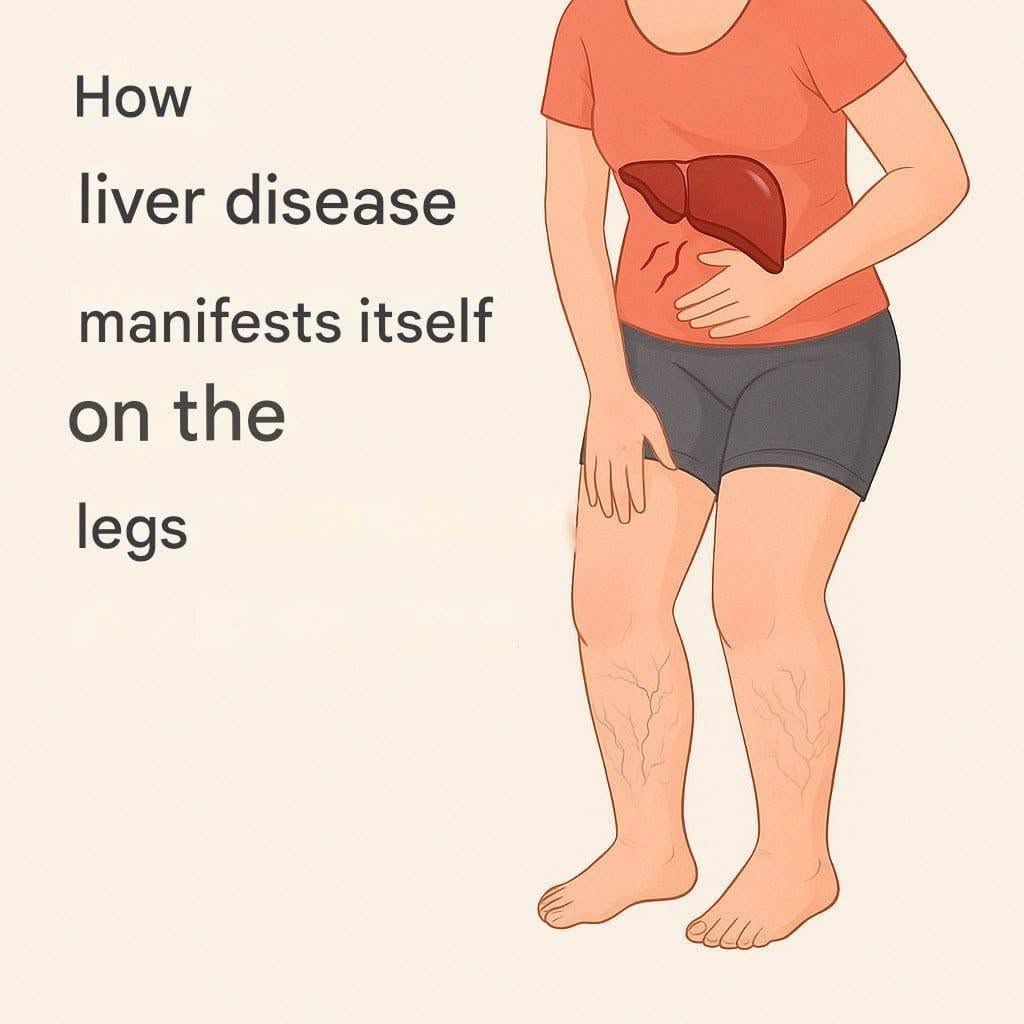

5 Warning Signs in Your Legs That May Be Linked to Heart or Circulation Problems
Leg symptoms can sometimes provide clues about problems affecting the heart or blood vessels. However, these symptoms have many possible causes, and having one does not automatically mean that your heart is in trouble.
Certain changes deserve attention, particularly when they are new, persistent, or occur together with other cardiovascular symptoms.
1. Swelling in the Legs or Ankles
Swelling, especially around the ankles and lower legs, can occur for many reasons. In some people, it can be associated with heart failure, when the heart has difficulty moving blood effectively and fluid accumulates in the body.
Swelling can also result from prolonged sitting or standing, certain medications, kidney or liver problems, or problems with the veins.
New or persistent swelling should be discussed with a healthcare professional.
2. Leg Pain or Cramping When Walking
Pain, aching, heaviness, or cramping in the calf, thigh, or buttock that consistently appears during walking and improves after resting can be a sign of peripheral artery disease (PAD).
PAD occurs when arteries supplying the legs become narrowed, reducing blood flow. It is also associated with an increased risk of cardiovascular disease elsewhere in the body.
3. Cold Feet or Legs
One foot or leg that is noticeably colder than the other, particularly when accompanied by pain, numbness, weakness, or a change in skin color, can indicate reduced circulation.
Cold feet alone are not necessarily a sign of heart disease. Temperature, environment, nerve problems, and other conditions can also cause them.
4. Changes in Skin Color or Appearance
Reduced blood flow can sometimes cause the skin of the legs or feet to become unusually pale, bluish, or reddish. The skin may also appear shiny, and hair growth on the lower legs may decrease in some people with peripheral artery disease.
These changes should be evaluated rather than assuming they are simply a normal part of aging.
5. Slow-Healing Sores on the Feet or Legs
A wound that takes unusually long to heal can be associated with poor circulation. Diabetes can also contribute to slow wound healing and nerve damage.
A persistent sore, especially on the foot, deserves medical attention because untreated circulation problems or infection can become serious.
When Leg Symptoms Are an Emergency
Sudden swelling, pain, warmth, or redness in one leg can sometimes indicate a blood clot and requires prompt medical assessment.
Emergency symptoms such as severe chest pain, sudden difficulty breathing, fainting, or coughing up blood require immediate emergency medical attention.
The Bottom Line
Your legs do not literally “scream” when your heart is in trouble, but certain leg changes can provide important clues about circulation and cardiovascular health. Persistent swelling, walking-related leg pain, unusual temperature or color changes, and slow-healing wounds are worth discussing with a healthcare professional.
The key is not to diagnose heart disease from a leg symptom alone, but to recognize unusual changes and have them properly evaluated.