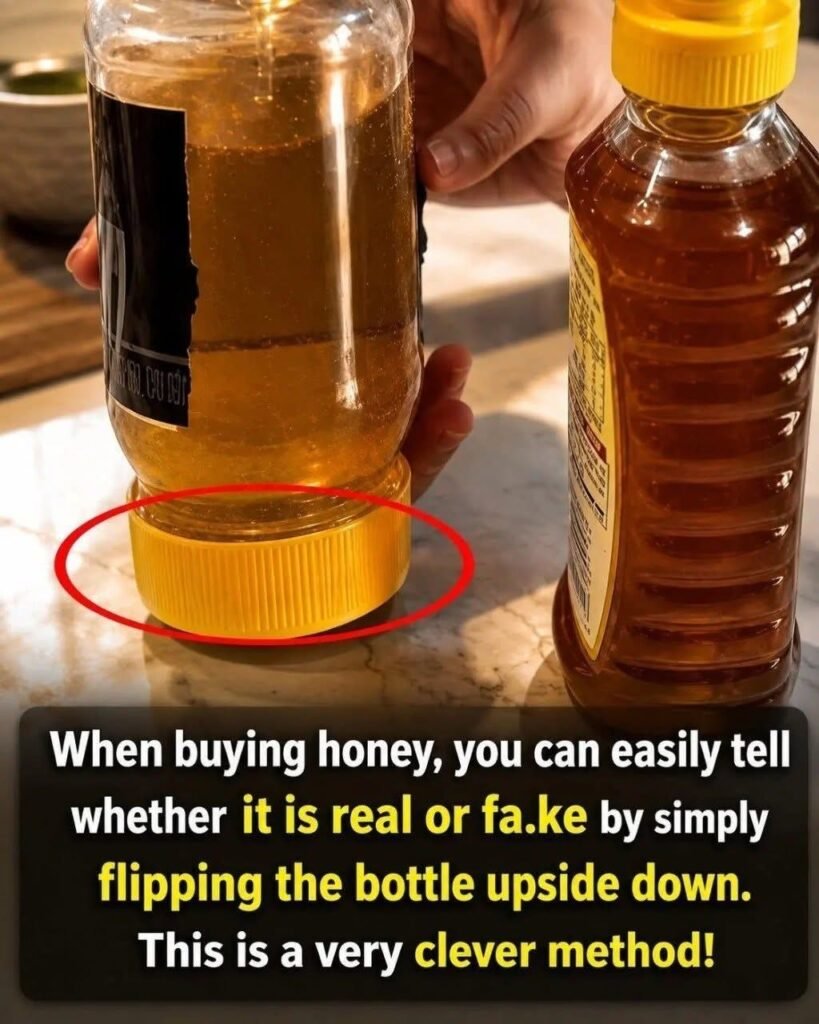

Think the honey you’re buying is 100% pure? Think again! Not all honey on supermarket shelves is genuine. Some products may contain added sugar syrups, artificial sweeteners, or other inexpensive ingredients.
Here are 7 practical ways to make a smarter honey purchase.
1. Read the Label Carefully
-
Pure honey should list honey as its only ingredient.
-
Avoid products containing glucose syrup, corn syrup, or added sugar.
-
Look for clear information about the producer and origin.
2. Don’t Believe Every Water Test
A popular trick claims that pure honey sinks to the bottom of a glass of water without dissolving.
The reality: This is not a scientifically reliable purity test. Both genuine and adulterated honey can behave differently depending on their moisture and composition.
3. Check for Natural Crystallization
-
Genuine honey can naturally become thick or grainy over time.
-
Some varieties crystallize quickly.
-
Others remain liquid for months.
Remember: Crystallization does not guarantee purity, and liquid honey isn’t necessarily fake.
4. Pay Attention to Smell and Taste
Natural honey can have floral, fruity, herbal, or earthy notes.
Its flavor depends on the flowers from which bees collect nectar. A simple sugary taste may raise questions, but taste alone cannot confirm authenticity.
5. Know Your Honey Supplier
Before purchasing, ask:
-
Where was the honey harvested?
-
Is it locally produced?
-
Can the seller identify the beekeeper?
-
Is there information about the harvesting process?
Buying from a reputable beekeeper can help with traceability.
6. Don’t Judge Honey by Its Color
Honey naturally comes in different shades:
-
Light golden
-
Amber
-
Dark brown
-
Nearly reddish
Color depends on floral origin and other natural factors. Darker honey isn’t automatically purer or healthier.
7. Laboratory Testing Is the Best Confirmation
For reliable results, professional testing can detect signs of adulteration.
Common methods include:
-
C4 sugar testing
-
NMR analysis
-
Pollen analysis
-
Moisture and sugar composition testing
These methods provide much stronger evidence than viral home experiments.
Final Verdict
Before buying honey, remember these five tips:
-
Check the ingredients.
-
Buy from trustworthy sellers.
-
Ask about the source.
-
Don’t trust viral purity tests.
-
Look for credible laboratory reports.
The golden rule: Don’t judge honey by its appearance alone. Genuine honey deserves genuine verification!
Health reminder: Never give honey to babies under 12 months old.