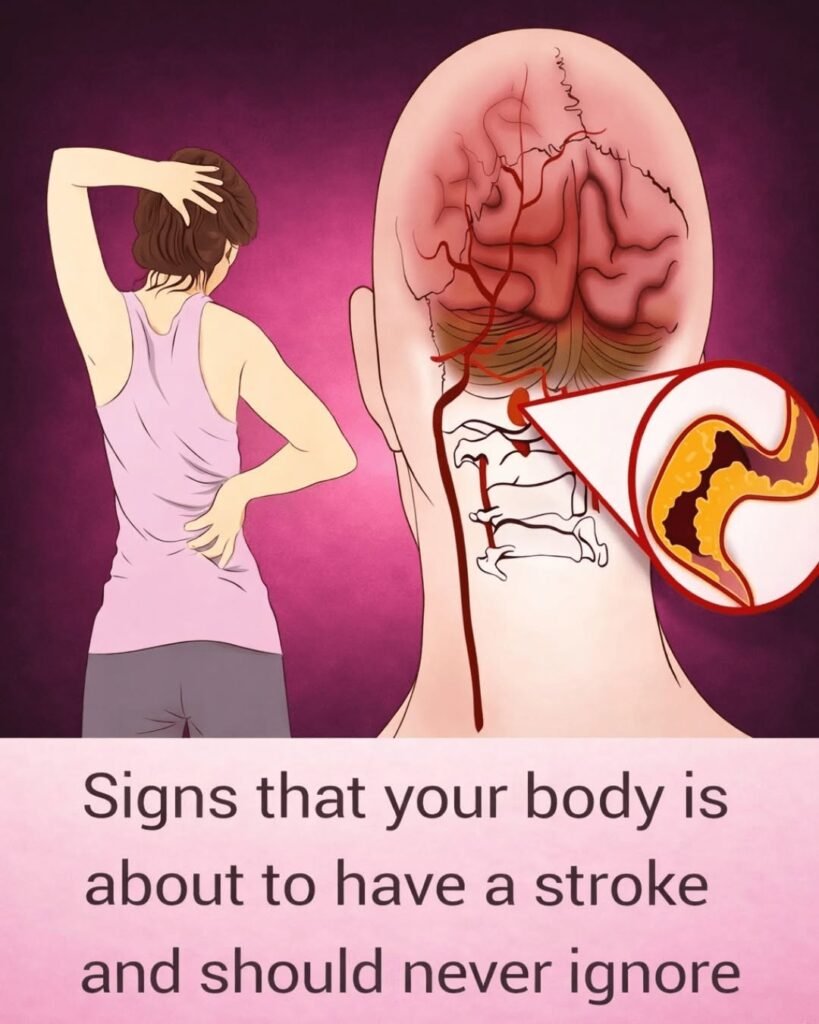

10 Early Warning Signs of a Stroke Everyone Should Know to Take Prompt Action
Recognizing stroke symptoms early—and acting immediately—is critical because brain tissue begins losing oxygen within minutes when blood flow is blocked or a vessel bleeds. Some strokes start abruptly, while others are preceded by brief transient ischemic attacks (TIAs, often called “mini-strokes”) or subtle neurological shifts that should never be ignored, even if they fade quickly.
10 Early Warning Signs to Watch For
-
Sudden Face Drooping or Numbness: One side of the face droops, looks uneven when smiling, or feels numb or heavy.
-
Sudden Arm or Leg Weakness or Tingling: Weakness, drift when lifting both arms, or numbness/”pins and needles” affecting one side of the body (face, arm, or leg).
-
Slurred Speech or Trouble Understanding Words: Speech sounds garbled or thick, or the person struggles to find words or follow simple spoken sentences.
-
Sudden Vision Changes in One or Both Eyes: Blurred, double, or dimmed vision, or a temporary “curtain” or loss of sight in one eye.
-
Sudden Dizziness, Loss of Balance, or Poor Coordination: Unexplained vertigo, stumbling, unsteadiness, or trouble walking in a straight line.
-
Severe, Sudden Headache Without an Obvious Cause: An abrupt, intense headache—sometimes described as a “thunderclap”—especially if accompanied by nausea, vomiting, neck stiffness, or confusion.
-
Abrupt Confusion or Sudden Memory/Attention Shifts: Sudden disorientation, trouble concentrating, or uncharacteristic confusion that appears without warning.
-
Sudden Trouble Swallowing: New difficulty swallowing food or liquids, drooling, or coughing/choking when eating or drinking.
-
Brief “Mini-Stroke” (TIA) Episodes: Temporary neurological symptoms—such as brief arm weakness, slurred speech, or vision dimming—that last a few minutes and clear up on their own. A TIA is a major warning sign of a potential stroke.
-
Sudden Unexplained Numbness on One Side: A sharp, sudden loss of feeling on one cheek, arm, hand, or leg even without obvious muscle weakness.
Taking Prompt Action
-
Treat sudden symptoms as a medical emergency: Seek emergency medical help immediately at the nearest capable hospital if any sudden neurological symptom appears—even if it improves within minutes. Note the exact time symptoms started, as doctors rely on that window for time-sensitive treatments.
-
Keep underlying risks in check: High blood pressure, diabetes, high cholesterol, irregular heart rhythms (like atrial fibrillation), smoking, and physical inactivity raise long-term stroke risk and benefit from regular medical monitoring. (General health information only—not a substitute for medical care.)