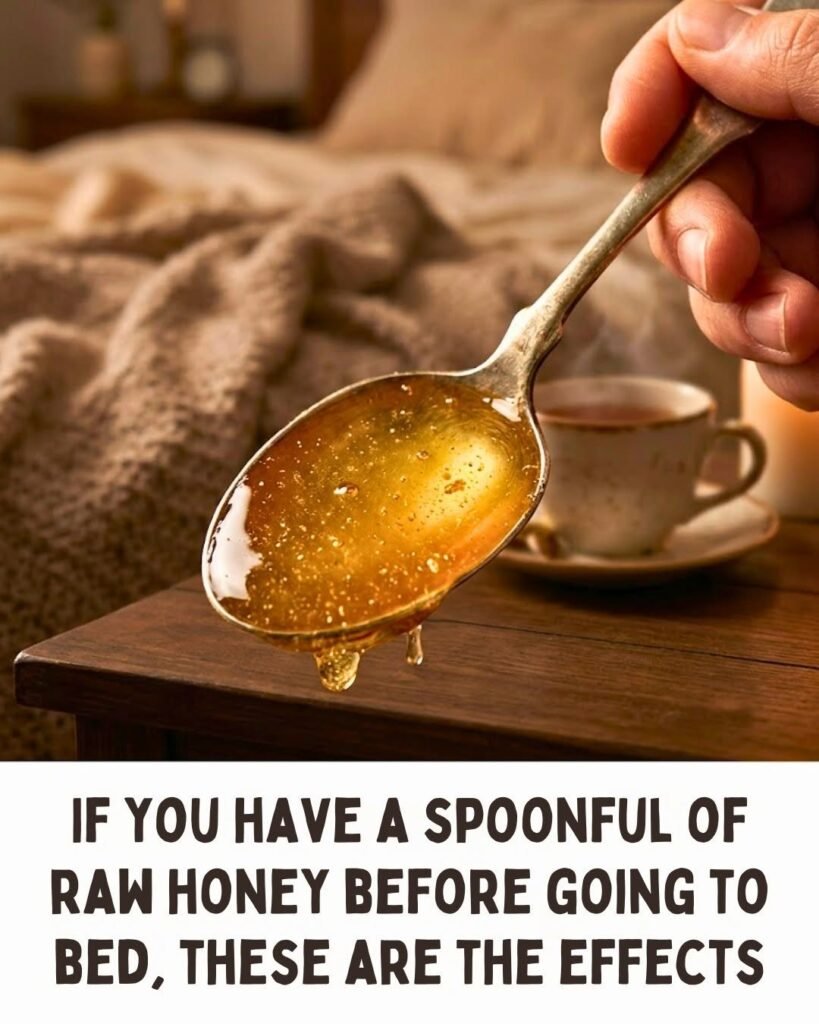

Taking A Spoonful Of Honey Before Sleeping: How Does It Work?
How Honey Affects Coughs and Throat Irritation at Night
-
Throat Coating: Honey has a thick, viscous texture that coats the lining of the pharynx, reducing mechanical irritation and tickling sensations that trigger nighttime coughing.
-
Saliva and Mucus Response: Sweet taste stimulates salivation and helps thin or soothe irritated airway secretions, making nighttime throat discomfort feel calmer.
-
Antioxidant and Antimicrobial Compounds: Honey contains trace plant polyphenols, flavonoids, and hydrogen-peroxide-generating enzymes that help quiet local throat irritation alongside soothing fluids.
Blood Sugar, Liver Glycogen, and Sleep Claims
-
Liver Glycogen Support: Honey is a mixture of glucose and fructose; a small amount before bed supplies carbohydrate that the liver can store as glycogen to help maintain steady blood glucose across overnight fasting hours.
-
Insulin and Tryptophan Theory: A modest rise in insulin after carbohydrate intake can slightly shift the ratio of competing amino acids in the bloodstream, making tryptophan marginally easier to cross the blood-brain barrier—though the direct sedative effect of a single spoonful is modest compared to overall sleep hygiene.
-
What Honey Does Not Do: Honey is not a sleeping pill or sedative; it will not cure insomnia or underlying sleep disorders on its own.
Practical Usage and Key Precautions
-
Typical Serving: About 1 teaspoon to 1 tablespoon (roughly 5–15 ml), taken straight or stirred into warm (not boiling) water or caffeine-free herbal tea 20–30 minutes before bed.
-
Infant Safety Rule: Never give honey to infants under 12 months old due to the risk of infant botulism.
-
Dental and Metabolic Considerations: Because honey is mostly free sugar, brushing teeth after taking it (or rinsing with water first if acidic tea/lemon was used) protects tooth enamel, and individuals managing diabetes or nightly acid reflux should account for its sugar content and potential late-night reflux triggers.