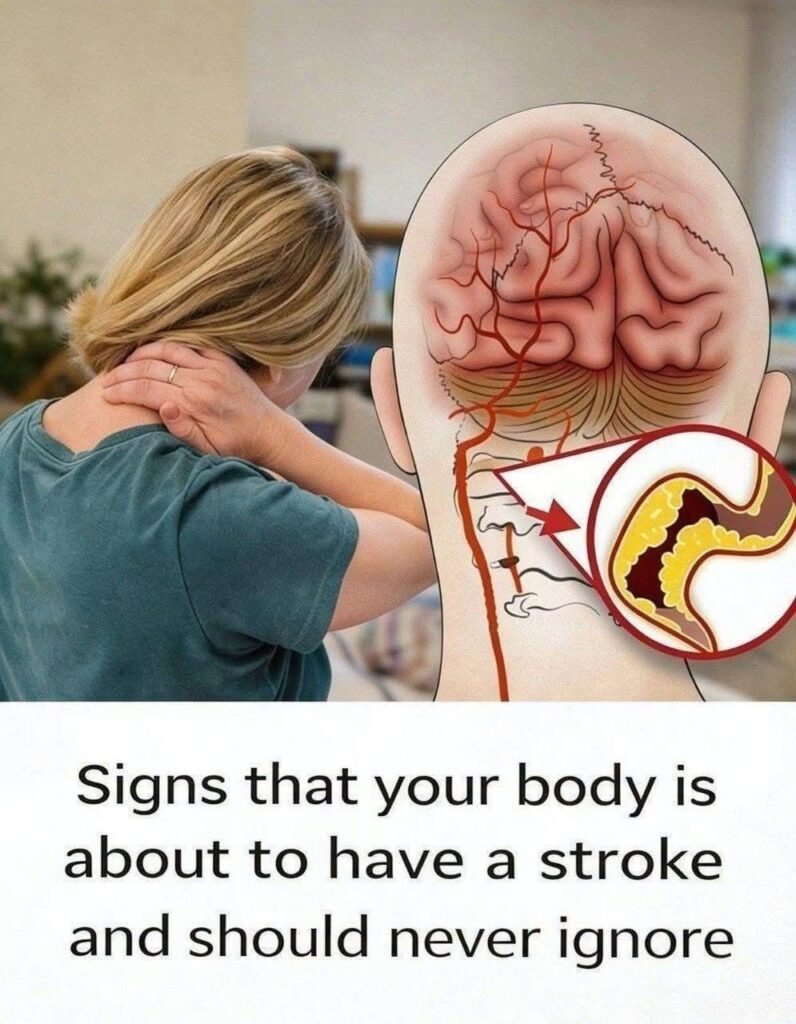

Early Warning Signs of a Stroke You Should Never Ignore
Important Context: Sudden Onset & Mini-Strokes (TIAs)
-
Strokes Happen Abruptly: Most strokes occur suddenly when blood flow to part of the brain is blocked (ischemic stroke) or a blood vessel bursts (hemorrhagic stroke).
-
Do Not Ignore Temporary Symptoms (TIAs): A Transient Ischemic Attack (TIA)—often called a “mini-stroke”—causes brief stroke-like symptoms lasting minutes to a few hours before disappearing. Even when symptoms fade completely, a TIA is an urgent medical warning sign of high short-term stroke risk.
Core Warning Signs: The BE FAST Rule
-
B – Balance: Sudden loss of balance, severe dizziness, vertigo, stumbling, or trouble walking straight.
-
E – Eyes: Sudden blurred vision, double vision, or temporary darkness/vision loss in one or both eyes.
-
F – Face: Sudden drooping, numbness, or unevenness on one side of the face—especially noticeable when smiling.
-
A – Arms: Sudden weakness, numbness, or heaviness in one arm (or leg); one arm drifts downward when raising both arms.
-
S – Speech: Sudden slurred speech, garbled words, trouble speaking, or sudden difficulty understanding simple sentences.
-
T – Time: Call emergency services immediately—note the exact time symptoms started, as clot-busting treatments are strictly time-sensitive.
Additional Urgent Symptoms Not to Overlook
-
Sudden One-Sided Numbness or Tingling: Abrupt loss of sensation affecting the face, arm, or leg on one side of the body.
-
Sudden Severe “Thunderclap” Headache: An intense, abrupt headache with no known cause, sometimes accompanied by nausea, vomiting, or stiff neck.
-
Sudden Confusion or Disorientation: Abrupt inability to recognize familiar places, follow simple directions, or respond normally.
-
Sudden Difficulty Swallowing or Drooling: Unexpected trouble swallowing liquids or saliva paired with facial or speech changes.
What to Do Immediately
-
Call Emergency Services Right Away: Do not wait to see if symptoms improve, do not sleep it off, and do not drive yourself to the hospital.
-
Record the “Last Known Well” Time: Write down or tell paramedics the exact time the person was last seen completely normal.
-
Keep the Person Safe While Waiting: Have them lie or sit safely on their side with the head slightly raised, and do not give food, water, or medications (including aspirin) until evaluated by emergency clinicians.