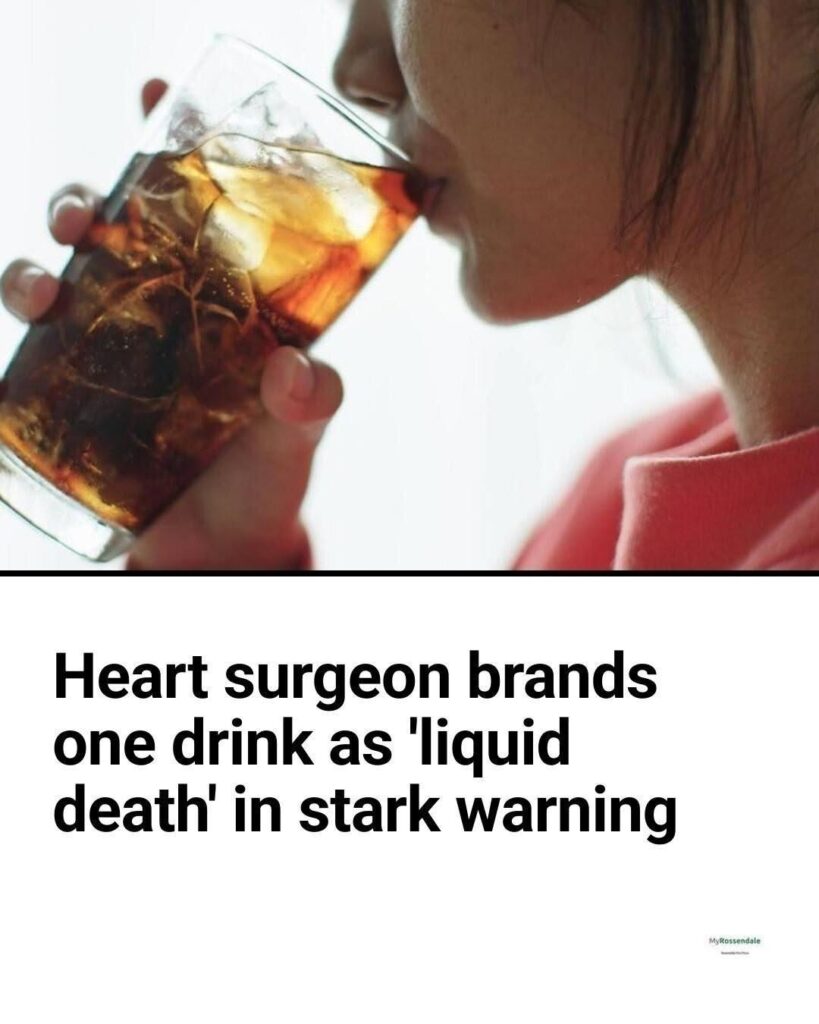

Drinks That May Increase Cardiovascular Risk
Detail
The warning deserves some context: not every caffeinated or flavored drink is dangerous, and the cardiovascular effect depends on the drink, amount consumed, and a person’s health. Current American Heart Association guidance particularly highlights sugar-sweetened beverages, high-caffeine energy drinks, and excessive alcohol as concerns. professional.heart.org+1
1. Sugary Soft Drinks
Regular soda and other sugar-sweetened drinks can contribute substantial amounts of added sugar. Frequent consumption is associated with higher cardiovascular risk and can contribute to weight gain, insulin resistance, and other cardiovascular risk factors. American Heart Association
Better choice: Water, unsweetened sparkling water, or unsweetened tea.
2. Energy Drinks
Energy drinks can contain large amounts of caffeine, sometimes along with other stimulants. High caffeine intake can temporarily raise blood pressure and heart rate, and energy drinks have been associated with concerns about abnormal heart rhythms. professional.heart.org+1
This is particularly important for people with high blood pressure or heart-rhythm problems.
3. Sugary Energy and Sports Drinks
Some sports and energy drinks contain substantial added sugar in addition to caffeine or other ingredients. Regular consumption can make it harder to maintain healthy blood glucose and weight. American Heart Association
4. Excessive Alcohol
Heavy drinking and binge drinking are consistently associated with high blood pressure, stroke, irregular heart rhythms, cardiomyopathy, and heart failure. professional.heart.org+1
The American Heart Association does not recommend starting alcohol for heart-health benefits. American Heart Association
5. Very High-Caffeine Drinks
Coffee itself shouldn’t automatically be placed in the same category as energy drinks. The AHA’s 2026 scientific statement says that up to about 400 mg of caffeine per day is generally safe for most adults, although individual responses vary. High doses, particularly those delivered through energy drinks or concentrated caffeine products, are more concerning. professional.heart.org+1
What to Drink Instead
For everyday cardiovascular health, good choices include:
-
Water
-
Unsweetened tea
-
Plain or lightly flavored sparkling water
-
Unsweetened coffee in moderate amounts
-
Milk or unsweetened alternatives, depending on dietary needs
Bottom Line
The biggest concern isn’t that one particular drink will suddenly “destroy” your arteries. Regular patterns of high sugar, excessive alcohol, or very high caffeine intake can increase cardiovascular risk over time. Reducing these drinks and choosing mostly unsweetened beverages is a practical step toward better heart health. professional.heart.org