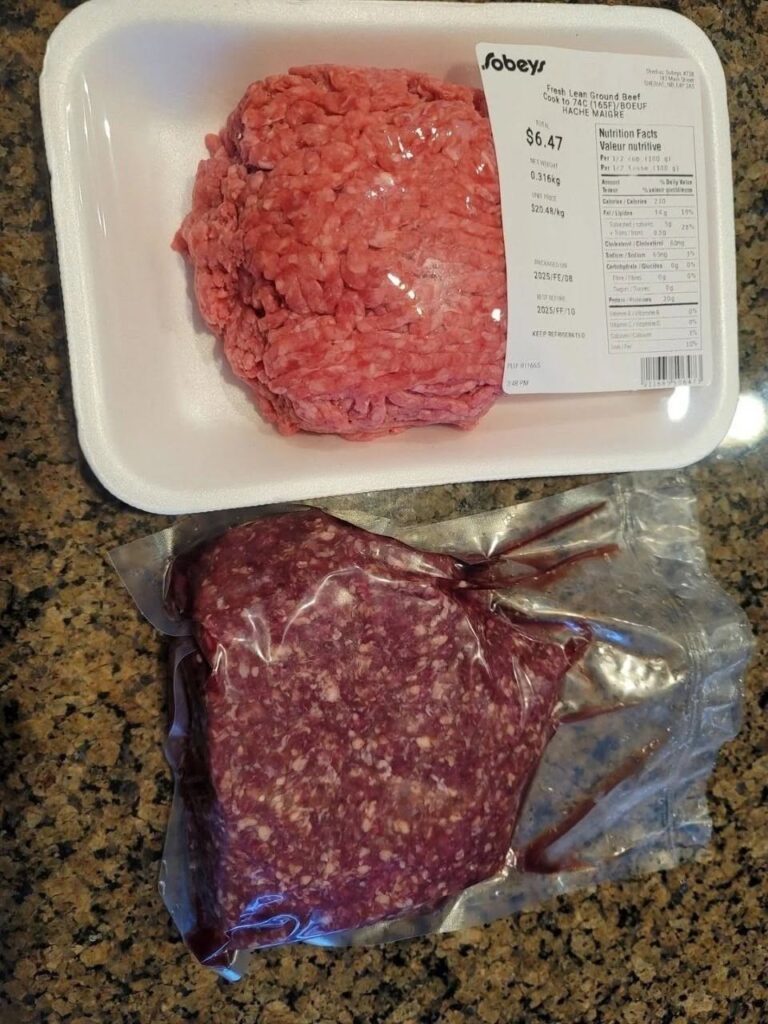

Don’t Get Fooled by the Supermarkets: What You Should Know About the Meat You Buy
Walking through a supermarket meat section can make it difficult to know exactly what you are purchasing. Attractive packaging, labels such as “premium,” “fresh,” or “natural,” and heavily processed meat products can sometimes give consumers an incomplete picture of what is actually inside the package.
That does not mean supermarkets are secretly selling fake or dangerous meat. However, consumers should understand meat labels, processing methods, storage requirements, and freshness indicators before making a purchase.
1. Check Whether It Is Fresh Meat or Processed Meat
Fresh beef, chicken, lamb, or other whole cuts generally have a relatively simple ingredient profile. Processed products such as sausages, meatballs, burgers, nuggets, luncheon meat, and deli meats may contain additional ingredients.
These can include salt, spices, preservatives, binders, starches, or other additives. The product should clearly list its ingredients, so checking the label is one of the easiest ways to know what you are buying.
2. Pay Attention to the Label
Words such as “premium,” “farm fresh,” “natural,” or “quality” can sound impressive, but they do not necessarily tell you everything about the nutritional value or production method.
Look for practical information instead:
- Type and cut of meat
- Ingredient list
- Net weight
- Use-by or best-before date
- Storage instructions
- Country or place of origin when provided
- Any added ingredients
- Whether the product has been previously frozen
The ingredient list is particularly important for processed meat.
3. Don’t Assume All Meat in a Package Is the Same
Two packages may both say “beef” or “chicken,” while having very different compositions.
For example, a whole chicken breast is substantially different from a processed chicken product made from minced meat and several added ingredients. Likewise, a whole beef steak is different from a highly processed beef patty.
Reading beyond the large words on the front of the package can help you understand the difference.
4. Watch the Storage Conditions
Proper refrigeration is essential for raw meat. Meat that has been kept at an unsafe temperature for too long can allow harmful bacteria to multiply, even if it still looks or smells normal.
At the supermarket, choose packages that are properly chilled and appear intact. Avoid packages that are leaking, badly damaged, or unusually swollen.
Once you bring meat home, refrigerate it promptly and follow the package’s storage instructions.
5. Color Alone Does Not Tell You Whether Meat Is Safe
Many people judge meat entirely by its color. This can be misleading.
Different types of meat naturally have different colors, and packaging conditions can also affect appearance. A change in color does not automatically mean meat is spoiled, just as normal-looking meat is not a guarantee that it is safe.
Instead, consider the use-by date, storage history, packaging condition, smell, texture, and cooking requirements together.
6. Be Careful With Highly Processed Meat
Processed meats can be convenient, but they may contain considerably more sodium and other added ingredients than unprocessed meat.
Examples include:
- Sausages
- Hot dogs
- Bacon
- Salami
- Luncheon meat
- Some deli meats
- Certain ready-made meat products
These foods can fit into a varied diet, but eating large amounts regularly is generally less desirable than relying more often on minimally processed sources of protein.
7. Frozen Meat Isn’t Automatically Bad
Some shoppers believe that frozen meat is automatically lower quality. That is not necessarily true.
Freezing can be an effective way to preserve meat when it is done and maintained properly. The main issue is whether the product has been stored correctly and whether it has been repeatedly thawed and refrozen.
Follow the package instructions and keep frozen meat at the appropriate temperature.
8. Be Careful With Bargain Meat
A very low price does not automatically mean that meat is unsafe. Supermarkets may reduce prices because a product is approaching its use-by date, because of promotions, or because of supply and demand.
If buying discounted meat, check the date and packaging carefully and make sure you can store or cook it safely within the recommended timeframe.
9. Prevent Cross-Contamination at Home
Raw meat should be kept separate from foods that are ready to eat.
Use separate cutting boards or wash them thoroughly between uses. Wash your hands after handling raw meat, and clean knives, countertops, and other utensils that come into contact with it.
Do not place cooked food back onto a plate that previously held raw meat unless the plate has been thoroughly washed.
10. Cook Meat Properly
One of the most important safety steps is cooking meat to a safe internal temperature.
Using a food thermometer is more reliable than judging doneness by color alone. Different meats and preparations require different minimum temperatures, so follow reliable food-safety guidance for the specific product.
Ground meat deserves particular attention because bacteria that may have been on the surface can become distributed throughout the product during grinding.
The Bottom Line
You don’t need to assume that supermarket meat is secretly fake or unsafe. Instead, become a careful label reader.
Check what the product actually contains, look at the date and storage instructions, inspect the packaging, keep raw meat properly refrigerated, prevent cross-contamination, and cook it safely.
The most useful rule is simple: don’t let attractive packaging make the decision for you—read the information on the label and understand what you are buying.