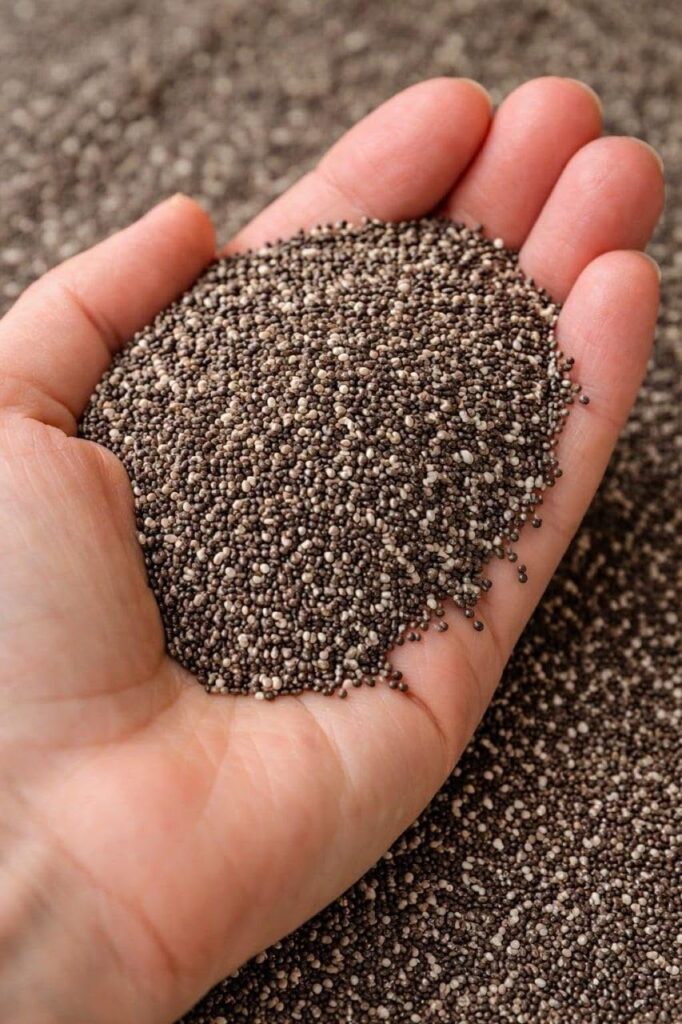

Doctors Reveal What Eating Chia Seeds Can Do to Your Body
Chia seeds are small, but they contain plenty of fiber, plant-based omega-3 fats, protein, and minerals. Adding them to a balanced diet can be beneficial for many people, but eating too much too quickly may cause digestive problems.
1. They Can Support Digestion
Chia seeds are particularly high in dietary fiber. Fiber helps support regular bowel movements and can contribute to healthy digestion.
However, suddenly consuming a large amount of chia seeds may cause gas, bloating, constipation, or abdominal discomfort, especially if you are not used to eating much fiber.
2. They May Help You Feel Full
Because chia seeds contain fiber, protein, and fat, they can contribute to a feeling of fullness after eating. Adding a small amount to yogurt, oatmeal, or a smoothie can make a meal more satisfying.
However, chia seeds do not automatically burn fat or cause weight loss.
3. They Provide Plant-Based Omega-3 Fats
Chia seeds are a rich source of alpha-linolenic acid, a plant-based omega-3 fatty acid. Omega-3 fats are part of a healthy eating pattern and are involved in normal cardiovascular and other body functions.
4. They Supply Important Minerals
Chia seeds provide nutrients such as calcium, magnesium, phosphorus, and manganese. These minerals contribute to normal bone, muscle, and other bodily functions.
They should complement a varied diet rather than replace other nutritious foods.
5. Eating Them Dry Can Be Uncomfortable
Chia seeds absorb a significant amount of liquid and swell. Eating a large quantity of dry chia seeds may cause difficulty swallowing or digestive discomfort, particularly for people who already have swallowing problems.
A practical approach is to mix them into yogurt, oatmeal, smoothies, or another moist food and allow them to absorb liquid before eating.
6. Start With a Small Amount
If chia seeds are new to your diet, start with a modest serving and increase gradually if your body tolerates them. Drink enough fluids throughout the day, especially when increasing your fiber intake.
Who Should Be More Careful?
People with swallowing difficulties, digestive conditions, or certain dietary restrictions should discuss adding large amounts of chia seeds with a healthcare professional.
Those taking medications that affect blood pressure, blood sugar, or blood clotting should also discuss concentrated chia supplements or unusually large amounts with their healthcare professional.
The Bottom Line
Eating chia seeds can provide fiber, plant-based omega-3 fats, protein, and minerals. For most people, they can be a nutritious addition to meals when consumed in reasonable amounts and with adequate fluid.
The important point is that more is not necessarily better. Introduce them gradually, use them in moist foods, and pay attention to how your body responds.