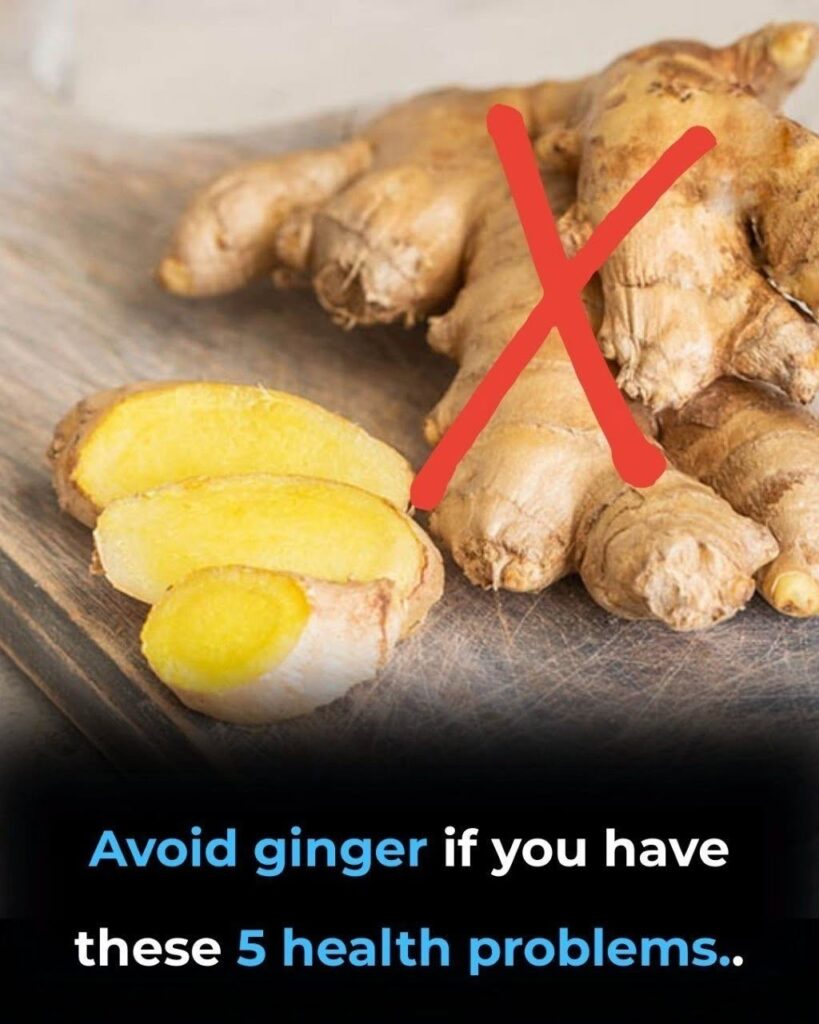

Doctors Reveal What Consuming Ginger Can Cause in the Body
Ginger is widely used in cooking and traditional remedies. It contains compounds such as gingerols that may have anti-inflammatory and antioxidant effects. For most people, eating normal amounts of ginger is well tolerated, but larger amounts or concentrated supplements can cause side effects.
1. It May Help With Nausea
Ginger has been studied for nausea and vomiting, including some types of pregnancy-related nausea and nausea associated with certain treatments. However, the appropriate amount can vary, and people with medical conditions should seek professional advice before using concentrated supplements.
2. It Can Affect Digestion
Some people find ginger soothing for digestion, while others may experience heartburn, stomach discomfort, diarrhea, or irritation—particularly after consuming large amounts.
3. It May Affect Blood Sugar
Ginger may have modest effects on blood glucose. People taking medication for diabetes should avoid assuming that more ginger will provide greater benefit and should discuss concentrated ginger supplements with their healthcare professional.
4. It May Affect Blood Pressure
Some research suggests ginger may have modest effects on blood pressure. If you take blood-pressure medication, particularly if you already experience dizziness or low blood pressure, discuss regular high-dose ginger supplementation with a healthcare professional.
5. It May Interact With Blood-Thinning Medicines
Ginger may have effects on platelet activity, which is why caution is appropriate with medications that affect blood clotting. Anyone taking anticoagulants or antiplatelet medicines should ask a doctor or pharmacist before regularly using concentrated ginger supplements.
6. Normal Food Amounts Are Different From Supplements
Using ginger as a seasoning or drinking an occasional ginger-containing beverage is very different from taking concentrated extracts or high-dose capsules.
More is not necessarily better. Supplements can provide much larger amounts than someone would normally consume in food.
Who Should Be Particularly Careful?
Speak with a healthcare professional before regularly taking high-dose ginger supplements if you:
- Take blood-thinning or antiplatelet medication
- Take medication for diabetes
- Take medication for high blood pressure
- Have a bleeding disorder
- Have frequent heartburn or digestive problems
- Are preparing for surgery
The Bottom Line
Ginger is not inherently harmful, and ordinary culinary amounts are generally well tolerated by most people. However, concentrated or excessive amounts can cause digestive symptoms and may interact with certain medications.
The important question is not simply whether ginger is “good” or “bad,” but how much you consume, how you consume it, and what other medications or health conditions you have.