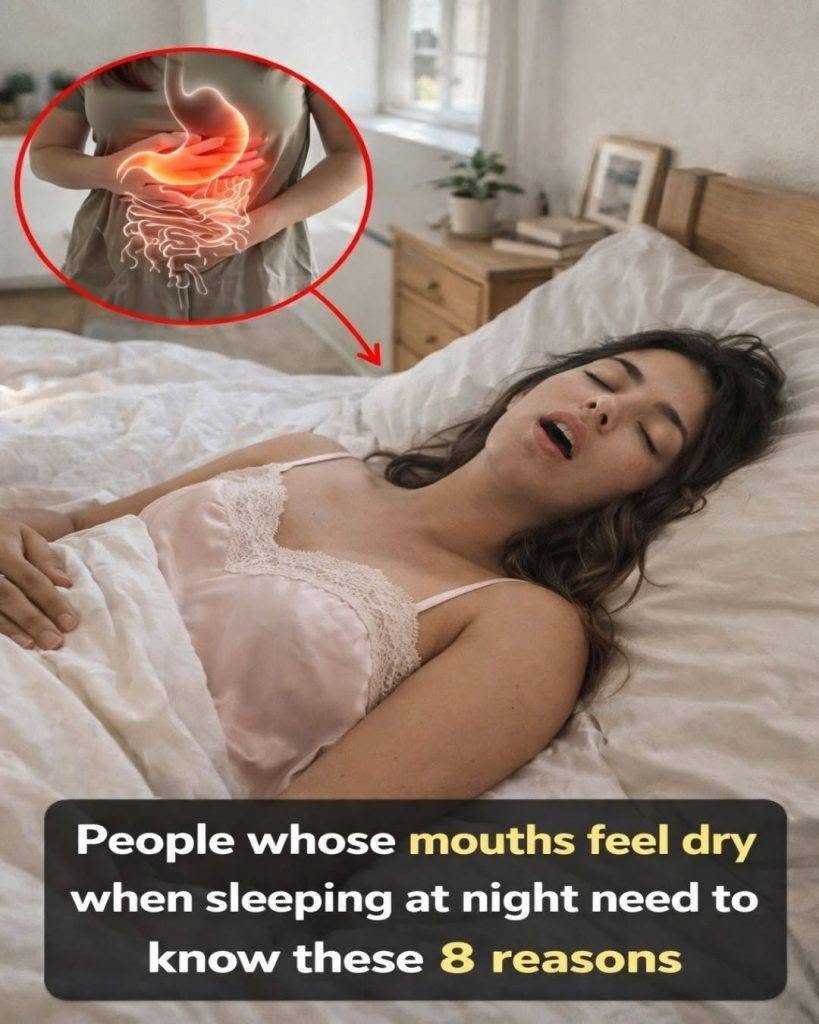

Waking Up With a Dry Mouth Every Night? Common Causes and What Helps
Common Causes of Nighttime Dry Mouth
-
Mouth Breathing During Sleep: Nasal congestion from allergies, a cold, sinus issues, or a deviated septum often forces mouth breathing overnight, evaporating saliva quickly.
-
Snoring and Sleep Apnea: Habitual snoring or obstructive sleep apnea frequently involves open-mouth breathing and airflow across oral tissues, leading to pronounced morning dryness.
-
Medications: Antihistamines, decongestants, antidepressants, blood pressure drugs, muscle relaxants, and pain relievers commonly reduce saliva production.
-
Dehydration and Evening Habits: Low daytime fluid intake, alcohol, caffeine late in the day, smoking/vaping, or salty/spicy evening meals increase morning dryness.
-
Room Environment: Dry indoor air (especially from heaters or air conditioners) and direct airflow from fans can dry out the mouth and throat overnight.
-
Underlying Health Factors: Autoimmune conditions (such as Sjögren’s syndrome), poorly controlled blood sugar, nerve changes, or prior head-and-neck radiation can impair salivary glands.
What Helps Relieve and Prevent It
-
Improve Nasal Airflow Before Bed: Use a saline nasal spray or rinse, a gentle nasal strip if appropriate, or treat mild allergies so breathing through your nose feels easier.
-
Adjust Bedroom Humidity and Airflow: Run a cool-mist humidifier in the bedroom and avoid aiming ceiling or standing fans directly at your face.
-
Hydrate Smartly: Sip water consistently during the day and keep a small glass or insulated bottle of water by the bed for dry spells—avoid chugging large amounts right before lying down if it disrupts sleep.
-
Cut Evening Triggers: Limit alcohol, tobacco/vaping, and heavily salted foods in the hours before sleep.
-
Use Saliva-Friendly Oral Care: Choose alcohol-free mouthwash, brush with fluoride toothpaste, and consider xylitol-containing lozenges or saliva substitutes during the day or evening if dryness persists.
-
Review Medications and Sleep Symptoms: Ask a doctor or pharmacist if any regular medication causes dry mouth, and seek medical evaluation if dryness comes with loud snoring, gasping, morning headaches, daytime fatigue, or persistent mouth sores/tooth decay.