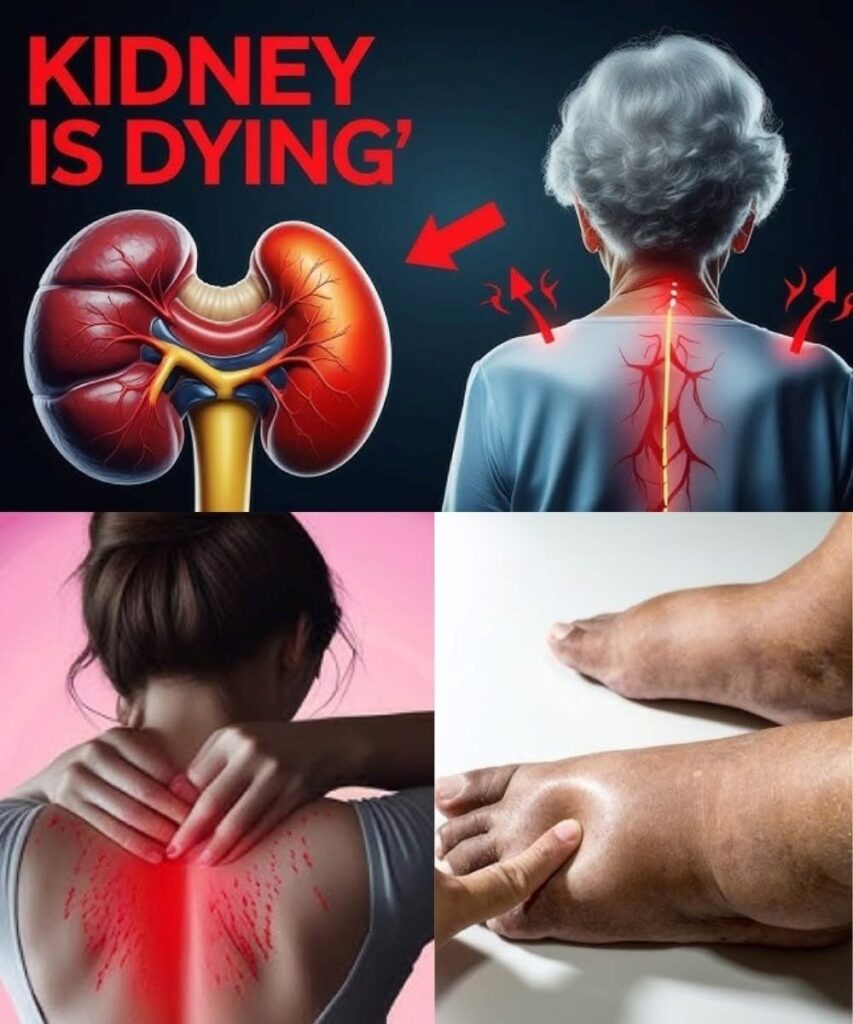

23 Weird Signs of Kidney Disease Most People Will Miss
Detail
Kidney disease can develop gradually, and early kidney disease often causes no noticeable symptoms. The following signs can occur with kidney problems, but none of them by itself proves that your kidneys are failing.
1. Foamy Urine
Persistent, unusually foamy or frothy urine can sometimes indicate excess protein in the urine.
2. Blood in the Urine
Pink, red, or cola-colored urine can have several causes, including kidney disease, stones, infection, or other urinary conditions.
3. More Frequent Urination
Needing to urinate more often—particularly at night—can occur with kidney disease, although diabetes, prostate problems, medications, and other conditions can also cause it.
4. Swollen Ankles or Feet
Damaged kidneys can contribute to fluid retention, producing swelling in the lower legs or feet.
5. Puffy Eyes
Fluid retention can sometimes cause swelling around the eyes, particularly in the morning.
6. Persistent Itchy Skin
Advanced kidney disease can cause significant itching because waste products accumulate in the bloodstream.
7. Unusual Fatigue
Kidney disease can contribute to anemia and accumulation of waste products, leading to tiredness or weakness.
8. Muscle Cramps
Electrolyte and mineral disturbances associated with impaired kidney function can cause muscle cramps.
9. Nausea
More advanced kidney dysfunction can cause nausea, poor appetite, or an unpleasant taste in the mouth.
10. Loss of Appetite
Reduced appetite can occur when waste products accumulate in the bloodstream.
11. Metallic Taste
Some people with advanced kidney disease notice a metallic or unusual taste.
12. Bad or Ammonia-Like Breath
Changes in taste and breath odor can occur with advanced kidney dysfunction.
13. Trouble Concentrating
Severe kidney dysfunction can affect mental alertness and concentration.
14. Sleep Problems
People with chronic kidney disease may experience difficulty sleeping, restless legs, or changes in sleep patterns.
15. Dry or Darkened Skin
Changes in skin appearance can occur in advanced kidney disease, although there are many other possible causes.
16. Changes in Urine Color or Amount
A noticeable change in urine output or appearance deserves attention, particularly when it persists.
17. Shortness of Breath
Fluid accumulation can contribute to breathlessness in advanced kidney disease. Heart and lung conditions can cause the same symptom.
18. High Blood Pressure
High blood pressure can both cause and result from kidney disease. Unfortunately, it often produces no symptoms.
19. Headaches or Dizziness
These can occur for many reasons, including uncontrolled blood pressure, anemia, dehydration, and medication effects.
20. Numbness or Tingling
Advanced kidney disease can contribute to nerve problems, although diabetes and other conditions are much more common causes.
21. Unexplained Weight Changes
Loss of appetite and fluid retention can cause changes in body weight.
22. Feeling Cold
Anemia associated with chronic kidney disease can contribute to feeling unusually cold or weak.
23. Confusion
Severe kidney dysfunction can cause confusion or changes in mental status because waste products accumulate in the blood. This is a late and serious sign, not a typical early symptom.
How Kidney Disease Is Actually Detected
Symptoms aren’t a reliable way to diagnose early kidney disease. Doctors commonly use:
-
Blood creatinine and estimated GFR (eGFR)
-
Urine albumin-to-creatinine ratio (UACR)
-
Blood pressure measurement
-
Other blood and urine tests when appropriate
People with diabetes, high blood pressure, cardiovascular disease, a family history of kidney disease, or other risk factors may benefit from regular kidney testing.
🚨 Get Urgent Medical Attention
Seek prompt medical care for very little or no urine, severe shortness of breath, severe swelling, chest pain, significant confusion, or blood in the urine, particularly if symptoms develop suddenly.
The key point: Don’t wait for unusual symptoms to appear. Kidney disease can be silent for years, so appropriate blood and urine testing is much more useful for detecting it early.