
What Is the New Method?
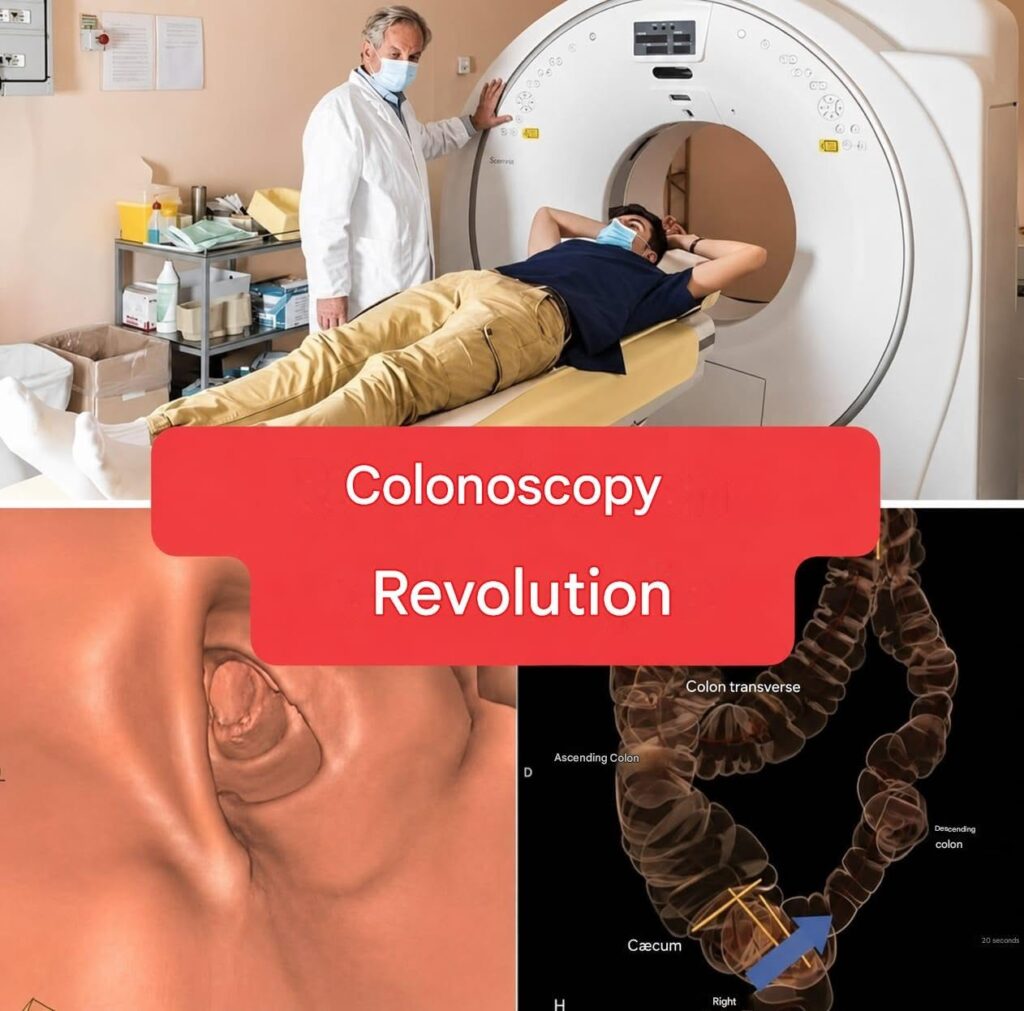
Medical technology is providing doctors with several alternatives to conventional colonoscopy. One of the best-established options is CT colonography, also known as a virtual colonoscopy. Instead of using a long flexible camera to directly examine the inside of the colon, CT colonography uses specialized X-ray imaging and computer processing to create detailed images of the large intestine.
Another developing technology is capsule endoscopy, which involves swallowing a small capsule containing a miniature camera. As the capsule travels through the digestive tract, it takes images that can be reviewed by medical professionals.
How Is CT Colonography Different From Traditional Colonoscopy?
During a conventional colonoscopy, a flexible instrument with a camera is guided through the rectum and colon. This allows the doctor to directly see the intestinal lining and, when necessary, remove certain polyps or take tissue samples.
CT colonography does not require the camera to travel through the entire colon. Instead, imaging equipment produces pictures of the colon from outside the body. This makes it less invasive, although the bowel still needs to be prepared beforehand, and the colon must be gently inflated with air or carbon dioxide so that the images are clear.
What About Capsule Endoscopy?
Capsule endoscopy is another interesting development in digestive medicine. The patient swallows a small camera capsule, which passes naturally through the digestive tract while taking pictures.
Capsule technology has been especially useful for examining parts of the digestive system that can be difficult to reach with conventional endoscopy. Researchers are also developing technologies that may improve the ability of capsules to examine the colon.
However, capsule examinations have limitations. If an abnormal growth or polyp is discovered, the capsule cannot normally remove it or take a biopsy. A conventional procedure may therefore still be needed afterward.
Does This Mean Colonoscopy Is No Longer Necessary?
Not necessarily. The development of alternative tests does not mean that traditional colonoscopy has become obsolete.
Colonoscopy remains particularly valuable because it allows doctors to see the colon directly and perform certain procedures during the examination. If a suspicious polyp is found, it can often be removed during the same procedure. Tissue can also be collected for laboratory testing when necessary.
For some people, an alternative screening test may be appropriate. If that test produces an abnormal result, however, a conventional colonoscopy may still be recommended to investigate the finding more closely.
Why Are Less-Invasive Options Important?
Some people may be unable or unwilling to undergo conventional colonoscopy for various reasons. Having additional examination methods can give doctors more choices when determining how to evaluate the colon.
Less-invasive imaging and capsule technologies may also be useful when a conventional examination is incomplete or cannot safely be performed for a particular patient.
The goal is not simply to eliminate colonoscopy, but to give doctors different tools that can be matched to different medical situations.
What Happens During Colon Screening?
The appropriate screening method depends on factors such as age, symptoms, family history, previous screening results, and individual medical circumstances.
People without symptoms may have several screening options depending on current medical recommendations. Someone experiencing symptoms such as unexplained rectal bleeding, persistent changes in bowel habits, unexplained anemia, or unexplained weight loss may require a more direct diagnostic evaluation rather than relying on a routine screening test.
The Future of Colon Examination
Technology is continuing to advance. Improvements in imaging, artificial intelligence, capsule cameras, and computer-assisted analysis may eventually make colon examinations easier and more comfortable for many patients.
However, new technology must still demonstrate that it can reliably detect important abnormalities and provide clinically useful results. A test that can detect a problem but cannot remove a polyp or obtain a biopsy may still need to be followed by conventional colonoscopy.
The Bottom Line
The future of colon examination is likely to involve more choices rather than one procedure replacing everything else. CT colonography, capsule technology, stool-based screening, and other developing methods may reduce the need for conventional colonoscopy in some situations.
At the same time, traditional colonoscopy remains an important diagnostic and treatment tool because it allows doctors to directly examine the colon and perform procedures when abnormalities are discovered.
Anyone considering an alternative to colonoscopy should discuss the options with a qualified healthcare professional, who can determine which examination is appropriate based on the person’s individual circumstances.