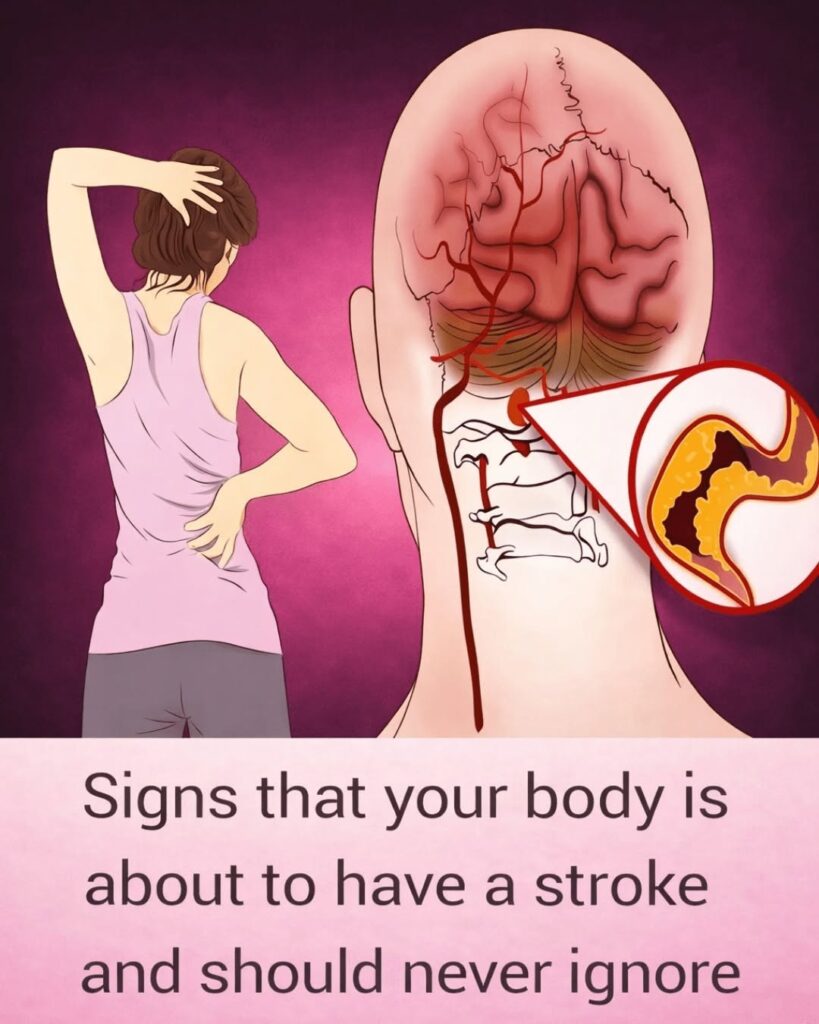

🧠 10 Early Warning Signs of a Stroke Everyone Should Know to Take Prompt Action
A stroke can happen suddenly, and recognizing the warning signs quickly can help a person receive emergency treatment sooner. The CDC and American Stroke Association recommend remembering B.E. F.A.S.T.—Balance, Eyes, Face, Arms, Speech, and Time. CDC+1
1. Sudden Loss of Balance
A person may suddenly become unsteady, have difficulty walking, feel dizzy, or lose coordination. Sudden balance problems can be a stroke warning sign, particularly when they occur with other symptoms. www.stroke.org
2. Sudden Vision Changes
Watch for sudden blurred or double vision or loss of vision in one or both eyes. These changes can occur during a stroke and should not be ignored. www.stroke.org
3. Drooping on One Side of the Face
One side of the face may suddenly become weak or numb. Ask the person to smile and check whether the smile looks uneven or one side of the face droops. www.stroke.org
4. Sudden Arm Weakness or Numbness
A person may suddenly have weakness or numbness in one arm, particularly on one side of the body. Ask them to raise both arms and see whether one arm drifts downward. www.stroke.org
5. Trouble Speaking
Speech may suddenly become slurred, difficult to understand, or unusual. A person may also struggle to find words or repeat a simple sentence correctly. www.stroke.org
6. Difficulty Understanding Speech
Stroke can affect the brain areas involved in language. Someone may suddenly seem confused or have difficulty understanding what other people are saying. CDC
7. Sudden Numbness or Weakness
Sudden numbness or weakness of the face, arm, or leg—especially on one side of the body—is a major stroke warning sign. CDC
8. Sudden Severe Headache
A sudden, severe headache with no known cause can be a warning sign of stroke, particularly certain types of hemorrhagic stroke. It requires immediate medical evaluation. CDC
9. Sudden Difficulty Walking
Someone who suddenly struggles to walk, coordinate their movements, or remain steady may be experiencing a stroke. Don’t assume that sudden difficulty walking is simply fatigue or aging. CDC+1
10. Sudden Confusion
Sudden confusion or difficulty speaking and understanding can occur when a stroke affects areas of the brain responsible for communication and cognition. CDC
🚨 Remember B.E. F.A.S.T.
-
B — Balance: Sudden loss of balance or coordination
-
E — Eyes: Sudden vision changes
-
F — Face: Facial drooping or numbness
-
A — Arms: Sudden weakness or numbness
-
S — Speech: Slurred or difficult speech
-
T — Time: Get emergency medical help immediately www.stroke.org
What to Do
Do not wait for the symptoms to disappear. If you notice even one sudden stroke warning sign, contact your local emergency medical service immediately. Note the time the symptoms began, because this information can help medical professionals determine appropriate treatment. CDC+1
Even if symptoms disappear after a few minutes, they could represent a transient ischemic attack (TIA), which is also a medical emergency and can signal increased risk of a future stroke. CDC
Every minute matters when a stroke is suspected.