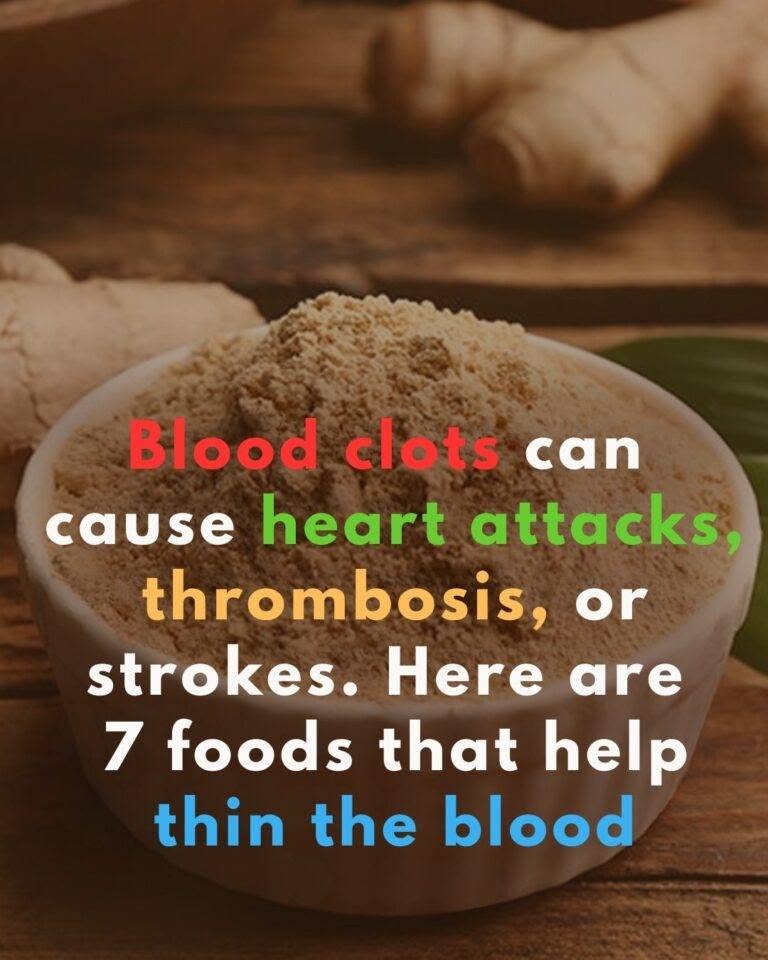

🩸 7 Foods Often Described as “Blood-Thinning” Foods
Some foods contain compounds that may modestly affect platelet activity or blood clotting, but food is not equivalent to a prescribed blood thinner. If you take anticoagulants or antiplatelet medicines, don’t change your diet significantly without discussing it with your healthcare professional.
1. 🧄 Garlic
Garlic contains sulfur compounds that may affect platelet aggregation. It can be a nutritious addition to meals, but concentrated garlic supplements may have stronger effects.
2. 🫚 Ginger
Ginger contains compounds that may influence platelet function. Adding normal amounts of fresh ginger to food or tea is generally different from taking high-dose supplements.
3. 🐟 Fatty Fish
Salmon, sardines, mackerel, and similar fish provide omega-3 fatty acids. These fats have effects on cardiovascular health and platelet function.
4. 🫒 Olive Oil
Extra-virgin olive oil contains monounsaturated fats and plant compounds associated with cardiovascular health. It can be used as part of a Mediterranean-style eating pattern.
5. 🌶️ Turmeric
Turmeric contains curcumin, which has been studied for effects on inflammation and platelet activity. Culinary amounts are much smaller than concentrated supplement doses.
6. 🍓 Berries
Strawberries, blueberries, raspberries, and other berries contain polyphenols and antioxidants. They support an overall heart-healthy diet, although they shouldn’t be considered a medication-like blood thinner.
7. 🍫 Dark Chocolate
Cocoa contains flavanols that have been studied for cardiovascular effects. Choose dark chocolate with a high cocoa content and keep portions moderate because it can be high in calories and added sugar.
⚠️ Important If You Take Blood Thinners
If you’re taking warfarin, apixaban, rivaroxaban, dabigatran, clopidogrel, aspirin, or another medication affecting clotting, don’t deliberately consume large amounts of “blood-thinning” foods or supplements without medical advice.
In particular, vitamin K-rich foods such as spinach, kale, and broccoli don’t work as blood thinners. With warfarin, the important issue is usually keeping vitamin K intake reasonably consistent, rather than avoiding these nutritious foods completely.
Bottom Line
These foods can be part of a healthy diet, but there is no food that safely replaces prescribed anticoagulant or antiplatelet medication. If you’re concerned about blood clots, bleeding, or your medication, speak with your doctor or pharmacist before making major dietary changes.