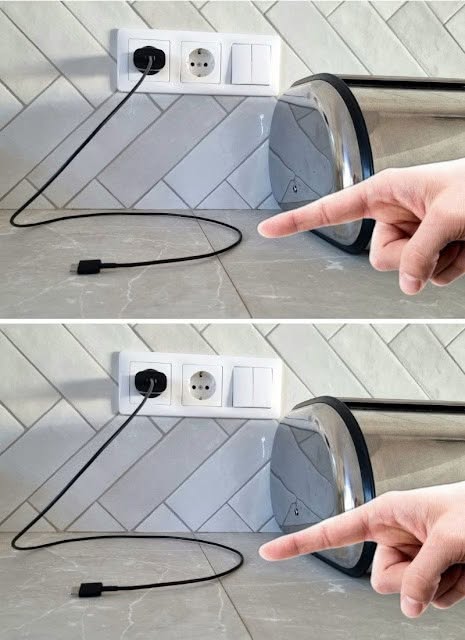

🔌 Never Leave a Charger in an Outlet Without Your Phone: 3 Main Reasons
Leaving a phone charger plugged into an outlet when no device is connected is usually not an immediate emergency, but there are several good reasons to unplug it when you’re finished.
1. It Still Uses a Small Amount of Electricity
A plugged-in charger can continue drawing a small amount of standby power even when your phone isn’t connected. For one charger, this is typically very small, but the consumption can add up when many electronic devices remain plugged in continuously.
2. Heat and Component Wear
Chargers contain electronic components that can generate a small amount of heat while connected to power. Over a long period, heat and continuous electrical stress can contribute to component aging.
A quality, certified charger in good condition generally has built-in protections, but damaged or poorly manufactured chargers may pose greater risks.
3. Damaged Chargers Can Become a Safety Hazard
Frayed cables, cracked housings, bent plugs, loose connections, or counterfeit chargers can increase the risk of overheating, electric shock, or fire.
This is particularly important if the charger is near water, covered by clothing or bedding, or connected to a damaged outlet.
✅ A Simple Safety Habit
When you’re finished charging:
-
Unplug damaged chargers immediately.
-
Keep chargers away from water and excessive heat.
-
Don’t cover a charger while it’s operating.
-
Use reputable, safety-certified chargers.
-
Avoid forcing plugs into loose or damaged outlets.
-
Unplug chargers when they’re not needed, especially if they’re old or damaged.
Bottom Line
The biggest concern isn’t that an ordinary modern charger will suddenly cause a fire simply because your phone isn’t connected. The more important issue is charger quality and condition. Unplugging unused chargers is an easy habit that reduces standby electricity use and eliminates a plugged-in electrical device from your environment.