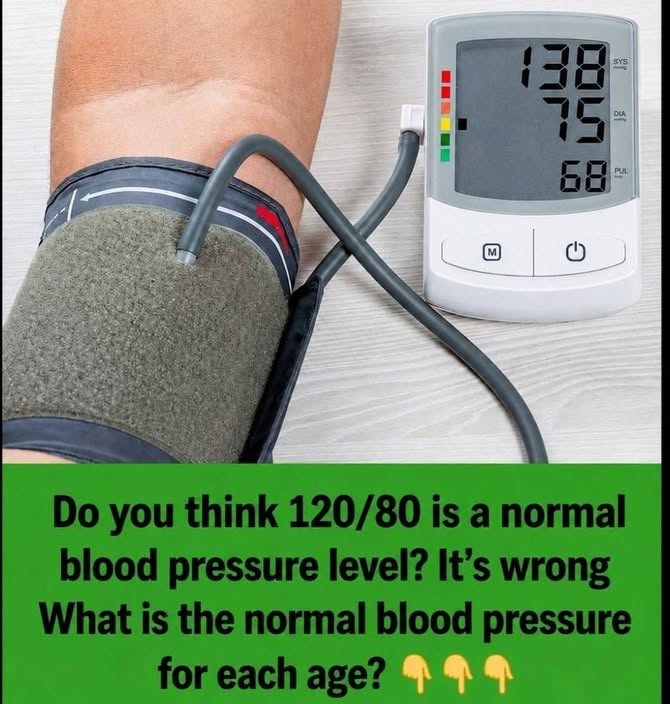

What Is the Normal Blood Pressure for Each Age?
Blood pressure does not have one exact “normal” number for every age. In adults, the same general blood-pressure categories are used rather than assigning a different normal range to every decade. Blood pressure also varies naturally during the day and can be affected by stress, activity, caffeine, illness, and medications.
General Adult Blood Pressure Categories
| Blood pressure | Systolic | Diastolic |
|---|---|---|
| Normal | Less than 120 | and less than 80 |
| Elevated | 120–129 | and less than 80 |
| High — Stage 1 | 130–139 | or 80–89 |
| High — Stage 2 | 140 or higher | or 90 or higher |
| Severely high | Higher than 180 | and/or higher than 120 |
These categories are based on commonly used adult guidelines. A single high reading does not necessarily mean someone has hypertension; repeated measurements are generally needed.
What About Different Ages?
18–39: Blood pressure below 120/80 mmHg is considered normal. Persistent readings at or above 130/80 warrant discussion with a healthcare professional.
40–59: The same adult categories apply. Age alone does not mean that a reading such as 150/90 should be considered “normal.”
60–79: There is no automatic higher “normal” range simply because someone is older. Blood-pressure targets may be individualized depending on overall health and other medical factors.
80 and older: Treatment targets may be individualized even more carefully because doctors consider overall health, medications, frailty, falls, and other conditions. A clinician can determine an appropriate target for an individual.
How to Measure It Correctly
For a more reliable reading, sit quietly for about 5 minutes, keep your back supported and feet flat on the floor, place your arm at heart level, and avoid talking during the measurement. Taking two readings a minute or so apart can provide a better picture than relying on one measurement.
When Is Blood Pressure an Emergency?
If your blood pressure is higher than 180/120 mmHg, wait at least a minute and measure it again. If it remains that high, contact a healthcare professional promptly.
If a very high reading occurs together with symptoms such as chest pain, difficulty breathing, weakness or numbness, vision changes, confusion, or difficulty speaking, seek emergency medical care.
The important point is that “normal blood pressure” is not simply a number that increases with age. For most adults, consistently staying below 120/80 is considered the normal category, while treatment decisions should be individualized based on repeated readings and overall health.