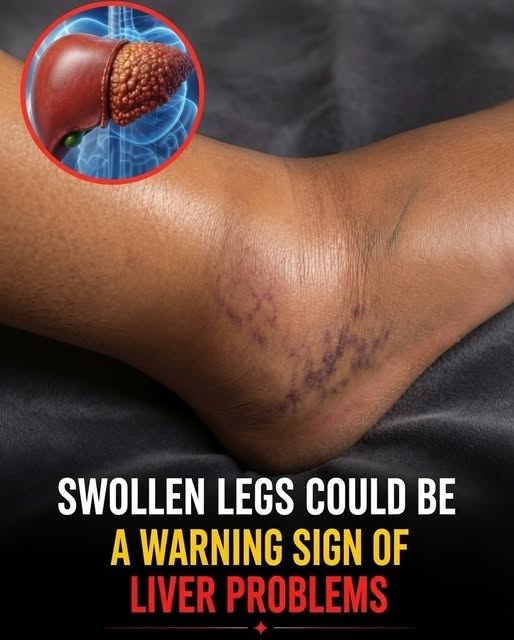

If You Notice Your Legs Are Swollen, Here’s What It Can Mean
Swollen legs or ankles are common, especially after sitting or standing for a long time, eating a salty meal, traveling, or during hot weather. But persistent or unexplained swelling can sometimes be a sign of an underlying medical problem, so it should not automatically be dismissed as normal.
1. Fluid Retention
Swelling in both legs can occur when extra fluid collects in the tissues. Prolonged sitting or standing, high-salt foods, certain medications, and some medical conditions can contribute to this.
Elevating the legs and moving around regularly may help mild swelling related to inactivity.
2. Vein Problems
When the veins in the legs have difficulty returning blood efficiently to the heart, fluid can accumulate around the ankles and lower legs. This may be more noticeable after standing for much of the day.
3. Heart-Related Conditions
Some heart conditions can cause fluid to accumulate in the legs. Swelling may occur along with shortness of breath, unusual tiredness, difficulty breathing when lying down, or rapid weight gain from fluid.
These symptoms warrant medical evaluation rather than treatment at home.
4. Kidney or Liver Problems
The kidneys help regulate fluid and salt balance, while the liver plays an important role in maintaining proteins that help keep fluid in the bloodstream. Certain kidney or liver conditions can therefore contribute to swelling.
5. Medication Side Effects
Some medicines can cause ankle or leg swelling. Examples include certain blood-pressure medications, anti-inflammatory medicines, hormones, and steroids. Don’t stop a prescribed medicine on your own; discuss possible side effects with your healthcare professional.
6. A Blood Clot Can Cause One-Sided Swelling
Sudden swelling in one leg, particularly when accompanied by pain, warmth, redness, or tenderness, can be a warning sign of a deep-vein blood clot (DVT). This requires prompt medical assessment.
If leg swelling occurs with sudden shortness of breath, chest pain, coughing up blood, fainting, or severe difficulty breathing, seek emergency medical care.
When to Get Checked
See a healthcare professional if swelling is new, persistent, repeatedly returning, getting worse, or has no obvious explanation. The cause can range from something relatively simple to a condition requiring treatment.
Leg swelling is a symptom, not a diagnosis. The location, whether one or both legs are affected, how quickly it developed, and any accompanying symptoms are important in determining what may be causing it.