
What Is Atorvastatin and Why Is It Commonly Prescribed?
Atorvastatin is a prescription medicine belonging to a group of drugs called statins. It is commonly used to lower cholesterol and reduce the risk of cardiovascular problems in people who are at increased risk.
How Does Atorvastatin Work?
Atorvastatin reduces the liver’s production of cholesterol by blocking an enzyme involved in cholesterol production. This can lower LDL cholesterol, often called “bad” cholesterol, and can also modestly lower triglycerides.
Why Is It Prescribed?
Doctors may prescribe atorvastatin for people with high cholesterol or for people who have an increased risk of cardiovascular disease. It may also be prescribed after certain cardiovascular events to reduce the risk of future problems.
Does It Only Lower Cholesterol?
No. The purpose of treatment is not simply to improve a cholesterol number. Lowering LDL cholesterol can help reduce the buildup of cholesterol-containing plaque in arteries and lower the risk of events such as heart attack and stroke in appropriate patients.
Common Side Effects
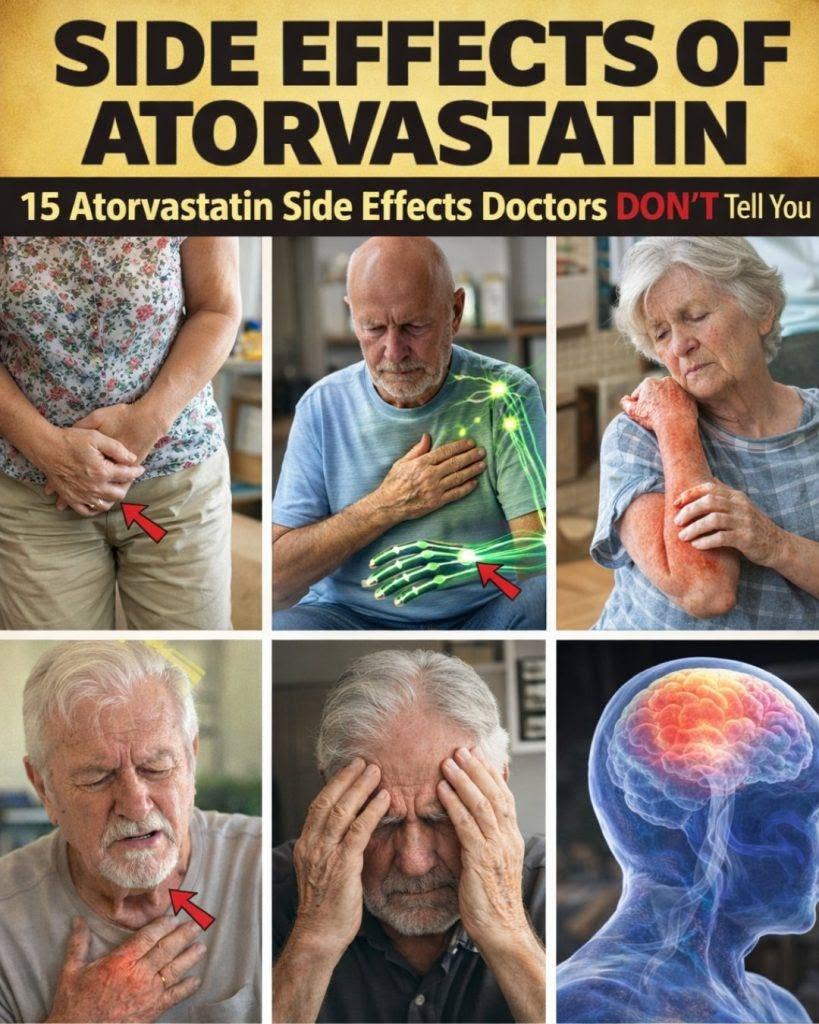
Many people take atorvastatin without major problems. Possible side effects can include:
- Muscle aches or discomfort
- Headache
- Nausea or digestive upset
- Diarrhea
- Tiredness
Not every symptom experienced while taking atorvastatin is necessarily caused by the medicine, so persistent or unusual symptoms should be discussed with a healthcare professional.
Important Warning Signs
Rarely, statins can cause significant muscle injury or liver problems. Severe or unexplained muscle pain or weakness, particularly with dark-colored urine, or symptoms such as yellowing of the skin or eyes should receive prompt medical attention.
Don’t Stop It on Your Own
If atorvastatin has been prescribed for you, don’t stop taking it simply because your cholesterol improves or because you experience a possible side effect. A doctor can determine whether the dose should be changed or whether another medication would be more appropriate.
Bottom line: Atorvastatin is widely prescribed because it lowers LDL cholesterol and can reduce cardiovascular risk in people who are appropriate candidates for statin therapy. Its benefits and risks depend on the individual’s health, other medications, and overall cardiovascular risk.