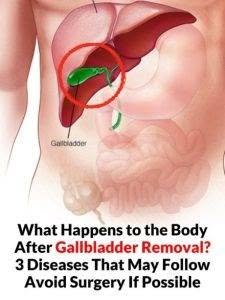

What Happens to the Body After Gallbladder Removal? 3 Conditions to Know About
Gallbladder removal, medically called a cholecystectomy, is a common operation used to treat problems such as recurrent gallstones, inflammation of the gallbladder, or complications caused by blocked bile ducts.
But what actually happens after the gallbladder is removed?
The gallbladder stores and concentrates bile made by the liver. After surgery, the liver continues producing bile, but instead of being stored in the gallbladder, bile flows more continuously into the small intestine.
Most people adjust well to this change and can return to a normal diet and lifestyle. However, some people experience digestive symptoms after surgery.
1. Diarrhea and Changes in Bowel Habits
Some people develop loose stools, urgency, bloating, or more frequent bowel movements after gallbladder removal.
One possible reason is that bile reaches the intestine more continuously. In some patients, excess bile acids reaching the colon can contribute to diarrhea.
These symptoms are often temporary, but persistent diarrhea should be discussed with a healthcare professional because treatments are available and other causes may need to be ruled out.
2. Bile Reflux and Indigestion
After gallbladder removal, some people report indigestion, abdominal discomfort, nausea, or reflux-like symptoms.
Bile can sometimes flow backward into the stomach or esophagus, although not every digestive symptom after surgery is caused by bile reflux.
Persistent pain, vomiting, difficulty swallowing, or unexplained weight loss should not simply be attributed to the surgery and should be medically evaluated.
3. Ongoing or Recurrent Abdominal Symptoms
A small number of people continue to experience abdominal pain or digestive symptoms after gallbladder removal. This is sometimes called postcholecystectomy syndrome.
Importantly, this does not necessarily mean the surgery caused a new disease. Symptoms can have several possible causes, including retained or recurrent bile-duct stones, bile-acid diarrhea, reflux, pancreatitis, or unrelated gastrointestinal conditions.
Should You Avoid Gallbladder Surgery?
Not necessarily.
Gallbladder removal is often recommended because leaving certain gallbladder problems untreated can itself lead to serious complications, including infection, inflammation, pancreatitis, or bile-duct obstruction.
If you have gallstones but no symptoms, surgery may not always be necessary. However, if you have recurrent attacks, acute inflammation, obstruction, pancreatitis, or another complication, avoiding surgery without medical guidance can be risky.
The Bottom Line
Gallbladder removal changes how bile is stored and delivered, but most people can live normally without a gallbladder. Some experience digestive problems afterward, but these symptoms are often manageable and don’t mean that surgery should automatically be avoided.
If you’re considering gallbladder surgery, ask your doctor:
-
Why is surgery recommended in my specific case?
-
What are the risks of having surgery versus waiting?
-
Are there non-surgical options appropriate for me?
-
What symptoms after surgery would require urgent medical attention?
The best decision depends on the reason for surgery, your symptoms, test results, and overall health—not simply on whether you still have your gallbladder.