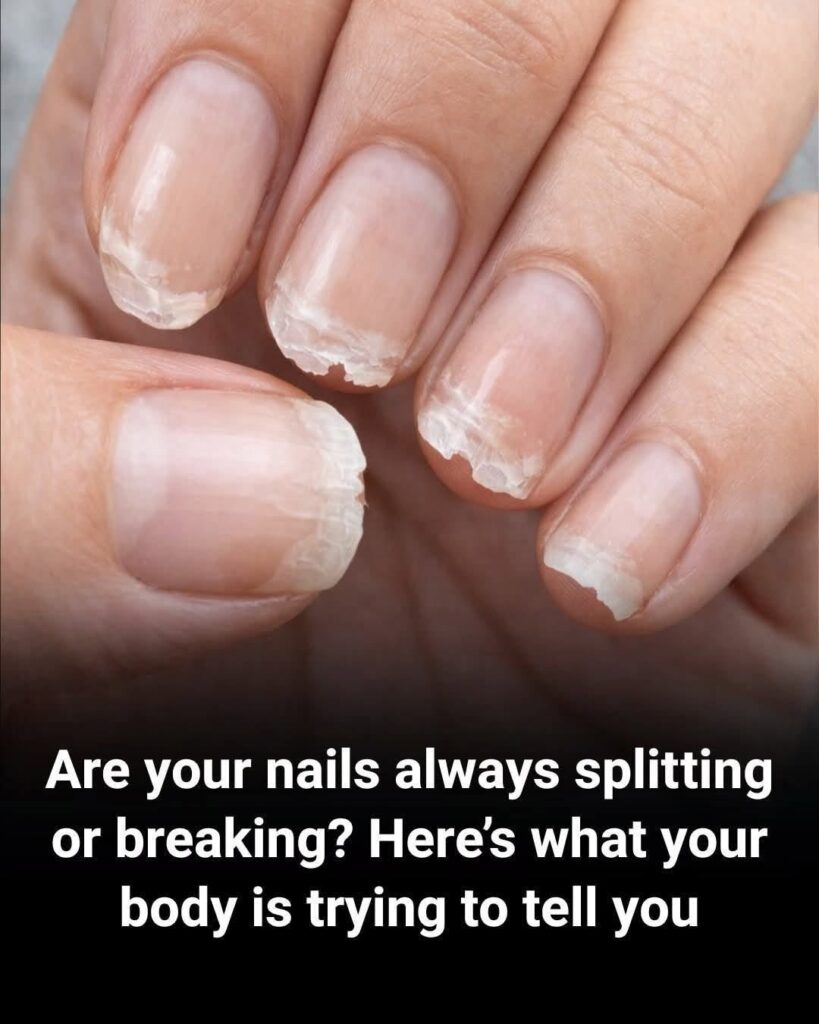

Weak or Brittle Nails: What Your Body Is Trying to Tell You
Weak, thin, peeling, or brittle nails are common and are often caused by everyday exposure or nail damage. However, persistent nail changes can sometimes be associated with nutritional deficiencies or medical conditions.
1. Frequent Water Exposure
Repeatedly soaking your hands and then drying them can cause nails to expand and contract, making them more likely to split or peel.
What to do:
-
Wear gloves when washing dishes or using cleaning products.
-
Apply a moisturizer to your hands and nails regularly.
-
Avoid prolonged soaking.
2. Excessive Use of Nail Products
Nail polish, polish removers, artificial nails, and gel manicures can weaken the nail, particularly with frequent use.
What to do:
-
Give your nails breaks between manicures.
-
Avoid aggressively scraping or filing the nail surface.
-
Don’t peel off gel or artificial nails.
3. Iron Deficiency
Iron deficiency can sometimes be associated with brittle or spoon-shaped nails. Other symptoms may include tiredness, weakness, pale skin, or shortness of breath.
What to do:
If you have persistent brittle nails along with these symptoms, talk to a healthcare professional about whether a blood test for iron deficiency is appropriate. Don’t take high-dose iron supplements without confirming deficiency.
4. Poor Nutrition
Nails require adequate nutrients for normal growth. Insufficient protein, iron, zinc, or other nutrients may contribute to nail problems in some people.
What to do:
Include a varied diet with:
-
Eggs, fish, meat, and dairy
-
Beans and lentils
-
Nuts and seeds
-
Vegetables and fruits
-
Whole grains
5. Thyroid Problems
Changes in thyroid function can sometimes affect the nails. Other symptoms may include changes in weight, temperature sensitivity, fatigue, hair changes, or changes in heart rate.
What to do:
If brittle nails occur together with several of these symptoms, discuss thyroid testing with a doctor.
6. Fungal Nail Infection
A fungal infection may cause nails to become thick, discolored, crumbly, or distorted, rather than simply brittle.
What to do:
A healthcare professional can examine the nail and, when necessary, test a nail sample before treatment.
7. Normal Aging
Nails naturally become thinner, drier, and more fragile in many people as they age.
What to do:
Keep nails trimmed, moisturize regularly, and protect them from excessive water and chemicals.
🚩 When Should You See a Doctor?
Get your nails checked if you develop:
-
Sudden or severe nail changes
-
Nails that become spoon-shaped
-
Persistent yellow, thick, or crumbly nails
-
Pain, swelling, or bleeding around a nail
-
A dark streak that is new or changing
-
Brittle nails accompanied by significant fatigue, weight changes, or other unexplained symptoms
Bottom Line
Brittle nails don’t automatically mean you have a vitamin deficiency or another disease. Everyday moisture, chemicals, manicures, and aging are common causes. Persistent or unusual changes, however, are worth discussing with a healthcare professional.