
Sarcopenia: Causes of Muscle Loss and Solutions
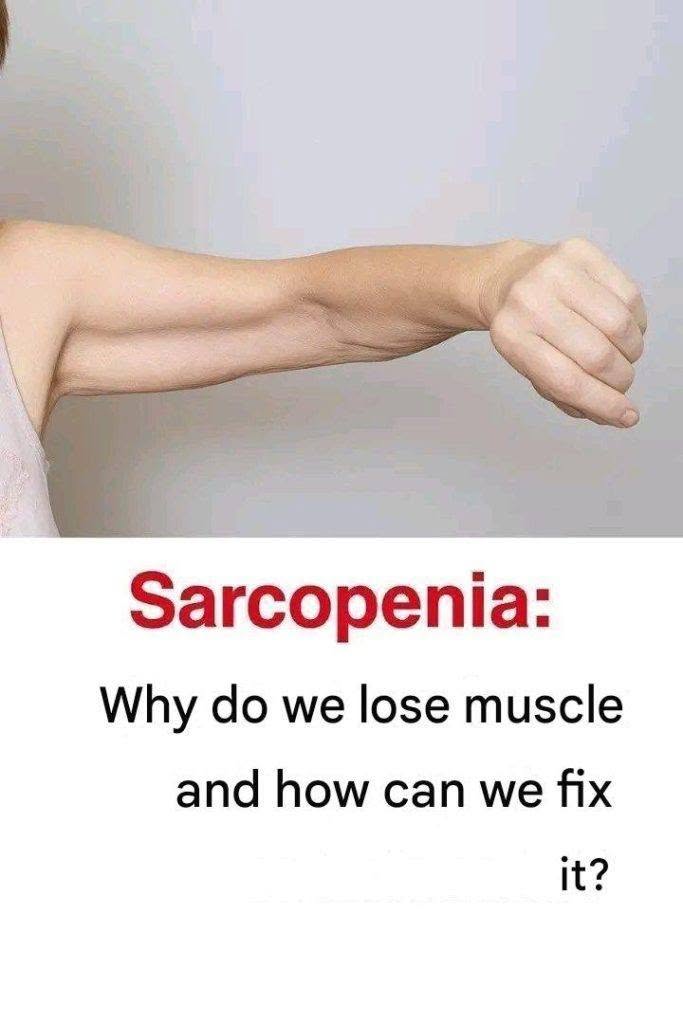
Sarcopenia is the age-related loss of muscle mass, muscle strength, and physical performance. It becomes more common with aging, but muscle loss can also happen earlier because of inactivity, illness, poor nutrition, or hormonal changes.
1. Aging
As we get older, the body gradually becomes less efficient at building and repairing muscle. Hormonal changes and reduced activity can accelerate this process.
Solution:
-
Perform regular resistance/strength training.
-
Stay physically active with walking and other appropriate activities.
-
Consume adequate protein and overall nutrition.
2. Lack of Physical Activity
Long periods of sitting, bed rest, or inactivity can cause muscles to become weaker and smaller. This can happen at any age.
Solution:
Aim for regular movement throughout the day and include strength exercises at least 2 days per week, adjusted to your abilities.
3. Inadequate Protein Intake
Muscles require protein and its amino acids for maintenance and repair. Consistently eating too little protein can contribute to muscle loss.
Good sources include:
-
Eggs
-
Fish and chicken
-
Milk, yogurt, and cheese
-
Beans and lentils
-
Soy and other legumes
-
Nuts and seeds
If you have kidney disease or another medical condition, discuss your appropriate protein intake with a healthcare professional.
4. Poor Overall Nutrition
Insufficient calories, vitamin deficiencies, or restrictive diets can make it harder to maintain muscle.
Solution:
Eat a balanced diet containing adequate protein, vegetables, fruits, whole grains, healthy fats, and sufficient calories.
5. Chronic Diseases
Conditions such as diabetes, chronic lung disease, heart disease, kidney disease, and inflammatory disorders can contribute to muscle loss.
Solution:
Work with a healthcare professional to manage the underlying condition while maintaining appropriate physical activity and nutrition.
6. Hormonal Changes
Changes in hormones such as testosterone, estrogen, and growth-related hormones can affect muscle maintenance, particularly with aging.
Solution:
If you have unexplained muscle loss, weakness, or other symptoms, a doctor can determine whether hormonal or other medical problems need evaluation. Hormone treatment should not be started solely to treat muscle loss without medical assessment.
7. Recovery After Illness or Hospitalization
Muscle can be lost rapidly during prolonged bed rest or serious illness.
Solution:
Gradually return to movement and resistance exercise when medically appropriate. A physiotherapist can help create a safe rehabilitation program.
The Most Important Solutions
🏋️ Strength Training
Resistance exercise is one of the most effective ways to preserve and improve muscle strength. Examples include squats or sit-to-stand exercises, resistance bands, weights, and body-weight exercises.
🍳 Adequate Protein
Spread protein-containing foods throughout the day rather than relying on a single large meal.
🚶 Regular Movement
Walking, climbing stairs, household activities, and other forms of physical activity help prevent prolonged inactivity.
☀️ Vitamin D and Calcium
Adequate vitamin D and calcium are important for bone and muscle health. Supplements should be considered when dietary intake is inadequate or deficiency is identified.
🩺 Check for Underlying Problems
If muscle loss is rapid or accompanied by significant weakness, weight loss, repeated falls, or difficulty performing everyday activities, medical evaluation is appropriate.
When to See a Doctor
Seek medical advice if you notice progressive muscle weakness, unexplained weight loss, repeated falls, difficulty getting up from a chair, climbing stairs, or carrying normal household objects. These can be signs that muscle strength and function need assessment.
Key message: Sarcopenia isn’t simply an unavoidable part of getting older. Strength training, adequate nutrition, regular physical activity, and treatment of underlying medical problems can help preserve muscle and physical function.