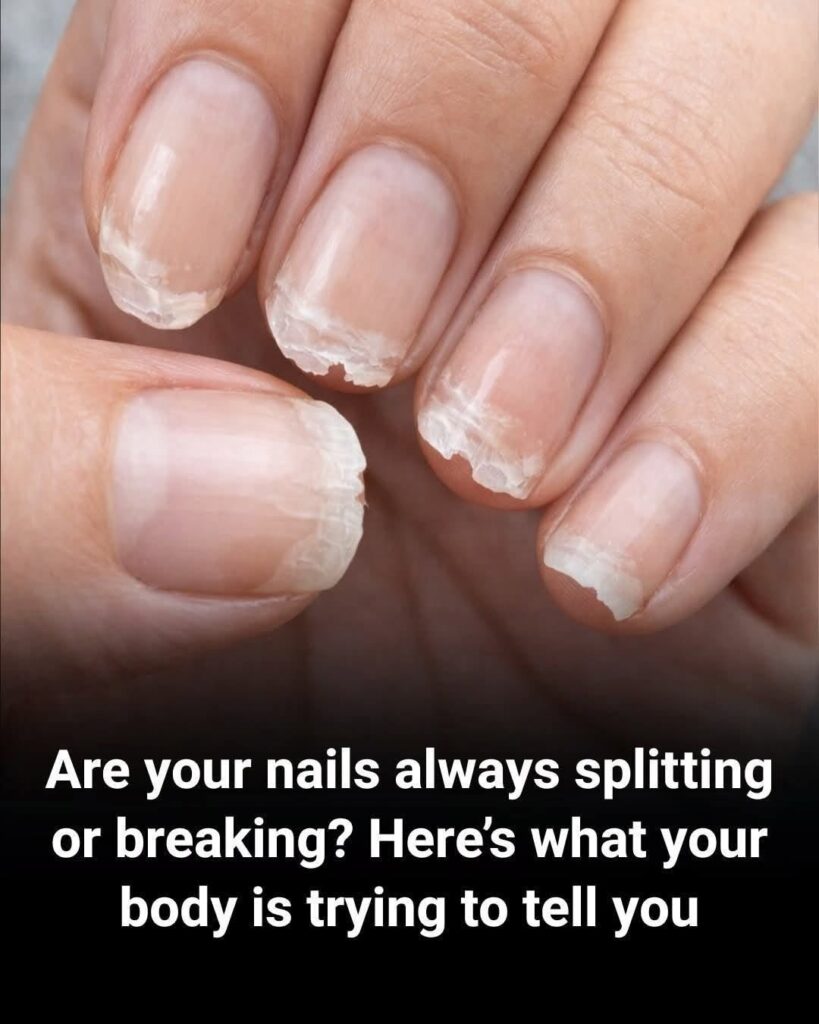

Weak or Brittle Nails: What Your Body Is Trying to Tell You
Detail
Weak, splitting, or brittle nails are common and usually aren’t a sign of a serious disease. They can result from repeated exposure to water, detergents, nail polish/remover, aging, or minor trauma. However, persistent changes can sometimes point to an underlying nutritional or medical problem.
1. Frequent Water Exposure
Repeatedly wetting and drying your nails can make them brittle and prone to splitting. Household cleaning and frequent handwashing can contribute.
What to do: Wear gloves when cleaning and moisturize your hands and nails regularly.
2. Iron Deficiency
Iron deficiency, particularly when it causes anemia, can sometimes be associated with changes in the nails, including unusual thinness or a concave “spoon” shape.
What to do: Don’t start high-dose iron simply because your nails are weak. A blood test can determine whether iron deficiency is present.
3. Thyroid Problems
Both an underactive and overactive thyroid can sometimes affect nail growth and texture. Other symptoms may include changes in weight, energy, heart rate, or sensitivity to heat or cold.
4. Nutritional Deficiencies
Inadequate intake of protein, iron, zinc, or certain vitamins can affect nail growth. However, brittle nails alone don’t prove that you have a deficiency.
5. Fungal Nail Infection
A fungal infection can cause nails to become thick, discolored, crumbly, or distorted rather than simply brittle.
6. Aging
Nails naturally become thinner and drier with age, so splitting and slower nail growth become more common.
7. Nail Products and Chemicals
Frequent use of nail polish remover, gel manicures, acrylic nails, or harsh chemicals can damage the nail plate.
Simple Nail-Care Routine
-
Keep nails trimmed and gently filed.
-
Moisturize nails and cuticles daily.
-
Wear gloves when washing dishes or using cleaning products.
-
Avoid biting or picking at nails.
-
Give nails a break from frequent gel/acrylic treatments.
-
Don’t use supplements such as iron or high-dose biotin unless there is a reason to take them.
When to See a Doctor
Get your nails evaluated if changes are persistent, severe, painful, rapidly developing, or affecting only one nail, or if you also have symptoms such as significant fatigue, unexplained weight changes, skin changes, numbness, or other new health problems.
A nail change can provide a clue, but your nails cannot diagnose a vitamin deficiency or disease by themselves.