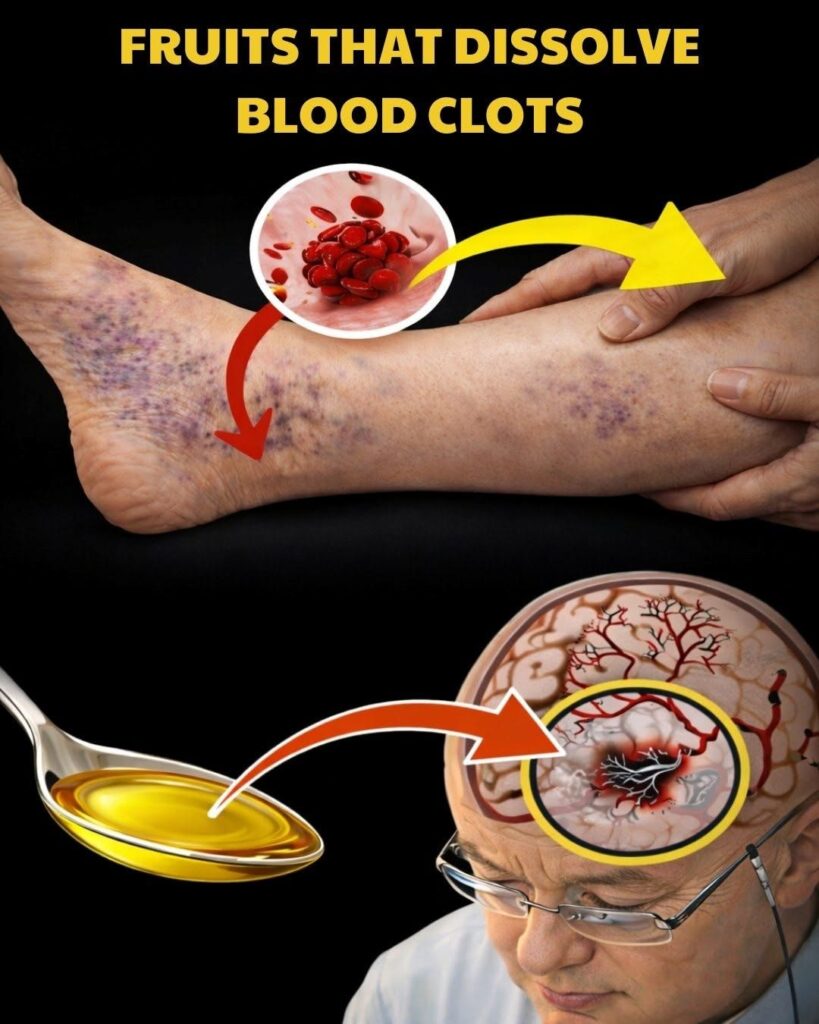

Top 8 Fruits That May Help Support Your Body’s Natural Blood Clot Management
Blood clotting is a natural process that helps your body stop bleeding when you get injured. However, when blood clots form inside blood vessels without a good reason, they can become dangerous. Certain clots may block blood flow and increase the risk of serious health problems, including deep vein thrombosis, pulmonary embolism, and stroke.
Although no fruit can reliably prevent or dissolve dangerous blood clots, eating a variety of nutrient-rich fruits may support healthy blood vessels, circulation, and overall cardiovascular health.
Here are eight fruits that can be part of a balanced, heart-healthy diet.
1. Berries
Strawberries, blueberries, raspberries, and blackberries are rich in antioxidants called anthocyanins and other beneficial plant compounds. These nutrients help protect cells from oxidative stress and may support healthy blood vessel function.
Potential benefits:
- Provide antioxidants that support cardiovascular health.
- Supply vitamin C and dietary fiber.
- Contribute to a balanced diet associated with better long-term heart health.
How to eat them: Enjoy fresh or frozen berries with oatmeal, yogurt, or a healthy breakfast.
2. Oranges
Oranges are well known for their vitamin C content. Vitamin C supports collagen production, which helps maintain the structure of blood vessels. Oranges also provide fiber and plant compounds that contribute to overall health.
Potential benefits:
- Support normal blood vessel structure.
- Provide antioxidants and dietary fiber.
- Help meet daily vitamin C requirements.
How to eat them: Eat a whole orange instead of relying only on orange juice, which generally contains less fiber.
3. Pomegranates
Pomegranates contain polyphenols and other antioxidants that have been studied for their potential effects on cardiovascular health. These compounds may help protect cells from oxidative damage, although more research is needed to establish their specific effects on blood clot formation.
Potential benefits:
- Provide antioxidant plant compounds.
- May support overall vascular health.
- Add variety and important nutrients to a balanced diet.
How to eat them: Sprinkle pomegranate seeds over salads, oatmeal, or plain yogurt.
4. Apples
Apples contain soluble fiber, particularly pectin, along with polyphenols that may support heart health. Regularly eating fiber-rich fruits can contribute to healthy cholesterol levels and a balanced diet.
Potential benefits:
- Support healthy cholesterol levels as part of an appropriate diet.
- Provide fiber for digestive health.
- Supply beneficial plant compounds.
How to eat them: Wash apples thoroughly and eat them with their skin to obtain more fiber.
5. Grapes
Grapes contain polyphenols, including resveratrol in certain varieties. These compounds have been studied for their possible antioxidant and vascular effects. However, there is not enough evidence to conclude that eating grapes prevents harmful blood clots.
Potential benefits:
- Provide antioxidants that contribute to a heart-healthy diet.
- Supply water and small amounts of fiber.
- Offer a convenient alternative to highly processed snacks.
How to eat them: Enjoy a moderate portion of fresh grapes as a snack or add them to a fruit salad.
6. Kiwi
Kiwi is an excellent source of vitamin C and also provides dietary fiber and other nutrients. Vitamin C helps the body maintain connective tissue, including the structures that support healthy blood vessels.
Potential benefits:
- Support normal collagen production.
- Provide antioxidants and dietary fiber.
- Contribute to overall nutritional health.
How to eat it: Enjoy fresh kiwi on its own or combine it with other fruits for a nutritious snack.
7. Cherries
Cherries contain anthocyanins and other polyphenols that have been investigated for their potential effects on inflammation and oxidative stress. These properties make cherries a useful addition to a varied diet, although their ability to prevent blood clots has not been established.
Potential benefits:
- Provide antioxidant plant compounds.
- Contribute to a balanced, nutrient-rich diet.
- Offer a naturally sweet alternative to desserts with added sugar.
How to eat them: Choose fresh or frozen unsweetened cherries when available.
8. Watermelon
Watermelon contains a high proportion of water, as well as vitamin C and lycopene, an antioxidant associated with cardiovascular health. Adequate hydration supports normal body functions, especially during hot weather or physical activity.
Potential benefits:
- Contributes to daily fluid intake.
- Provides vitamin C and antioxidant compounds.
- Offers a refreshing option as part of a balanced diet.
How to eat it: Enjoy fresh watermelon as a snack, particularly during warm weather.
Other Ways to Support Healthy Circulation
Eating fruit is only one part of maintaining cardiovascular health. Several everyday habits can also help reduce certain risk factors associated with blood clots.
- Stay hydrated: Drink enough fluids to meet your needs, taking into account your activity level, climate, and any medical advice about fluid intake.
- Move regularly: Walk, stretch, and avoid remaining seated for long periods.
- Maintain a balanced diet: Include vegetables, whole grains, legumes, and suitable sources of protein.
- Avoid smoking: Smoking increases cardiovascular risks.
- Follow medical advice: If you have a history of blood clots or other risk factors, discuss appropriate prevention with your healthcare professional.
Important Precautions for People Taking Blood Thinners
If you take anticoagulant medication, such as warfarin, do not suddenly make major dietary changes without consulting your healthcare professional. Some fruit juices and concentrated fruit products can interact with certain medications. Ask your doctor or pharmacist about any potential interactions with your specific treatment.
Most importantly, fruit cannot replace prescribed blood thinners or medical treatment for an existing clot.
Seek emergency medical attention if you experience sudden shortness of breath, chest pain, coughing up blood, or symptoms of a stroke. New swelling, pain, warmth, or redness in one leg can also be a sign of a blood clot and requires urgent medical assessment.
Conclusion
Berries, oranges, pomegranates, apples, grapes, kiwi, cherries, and watermelon all provide valuable nutrients that can support overall cardiovascular health. Including a variety of these fruits in a balanced diet is a practical way to improve nutritional quality and support healthy blood vessels.
However, no fruit has been proven to reliably prevent or dissolve dangerous blood clots. The most effective approach combines healthy lifestyle habits with appropriate medical care and proven prevention strategies.