
Things You Should NEVER Plug Into a Power Strip
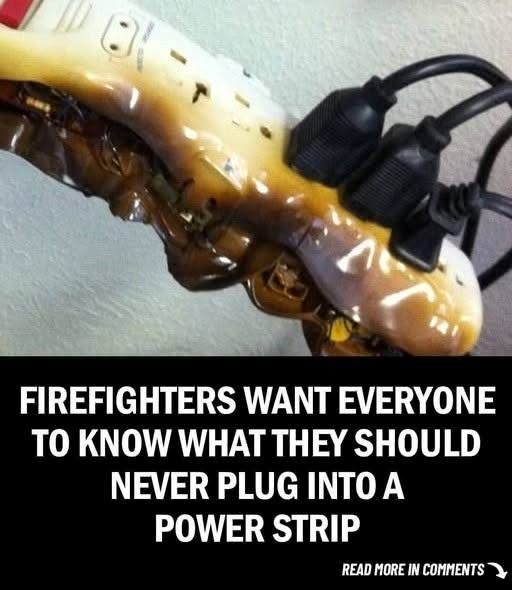
Power strips are convenient. They let you connect several electrical devices to a single wall outlet, helping keep your home organized and your electronics powered. But did you know that plugging certain appliances into a power strip can create a serious fire or electrical hazard?
Not every device draws the same amount of electricity. Small electronics usually consume relatively little power, while heating appliances and some large household machines can draw enough current to overload a power strip.
Here are some important devices you should avoid plugging into an ordinary power strip.
1. Space Heaters
Portable space heaters draw substantial electrical power to generate heat. Connecting one to an ordinary power strip can overload the strip, overheat its wiring, and potentially cause a fire.
Safer option: Plug a space heater directly into a suitable wall outlet, following the manufacturer’s instructions. Keep it away from curtains, bedding, and other flammable materials.
2. Microwaves
Microwave ovens can draw significant power, particularly when operating at high settings. A typical power strip may not be designed to handle their electrical demand.
Safer option: Follow the microwave manufacturer’s instructions. Many models require a dedicated wall outlet or recommend a separate branch circuit.
3. Refrigerators and Freezers
Refrigerators and freezers operate for long periods and may draw a higher starting current when their compressors switch on. An unsuitable power strip can overheat or cause nuisance tripping.
Safer option: Connect these appliances to an appropriately grounded wall outlet in accordance with the manufacturer’s requirements and local electrical codes.
4. Air Conditioners
Portable and window air conditioners can draw considerable current, especially when their compressors start. An underrated power strip or extension lead may overheat under this load.
Safer option: Follow the appliance’s electrical requirements. Use a properly installed wall outlet or dedicated circuit when specified.
5. Electric Kettles and Coffee Makers
Electric kettles and many coffee makers use powerful heating elements. Running these appliances through a low-rated power strip can exceed its capacity.
Safer option: Plug high-wattage heating appliances directly into a suitable wall outlet, ideally avoiding simultaneous use of other high-power appliances on the same circuit.
6. Toasters and Toaster Ovens
Toasters and toaster ovens produce heat quickly and can consume substantial electricity. Overloaded connections can become hot enough to damage plugs, sockets, or surrounding materials.
Safer option: Use an appropriate wall outlet and keep the appliance clear of combustible materials.
7. Hair Dryers and Curling Irons
Hair dryers often draw considerable power, while curling irons and straighteners generate high temperatures. An unsuitable power strip may overheat, particularly when several devices operate together.
Safer option: Use a suitable wall outlet and keep electrical connections away from sinks, bathtubs, and wet surfaces. Never handle plugs with wet hands.
8. Washing Machines and Tumble Dryers
These appliances can have substantial electrical demands. Tumble dryers may require a dedicated circuit, depending on the model, while washing machines may draw additional current during heating or motor operation.
Safer option: Follow the manufacturer’s installation instructions and use the specified outlet and circuit. Do not connect these appliances to an ordinary household power strip unless the manufacturer and applicable electrical requirements explicitly permit it.
9. Another Power Strip
Connecting one power strip to another is commonly called daisy-chaining. It can make it easier to exceed the capacity of a strip, extension lead, or wall circuit, and may increase the risk of overheating.
Safer option: Use a properly rated power strip with enough outlets and connect it directly to a suitable wall outlet. Never assume that adding more strips increases the available electrical capacity.
10. Damaged or Overloaded Electrical Equipment
Even small devices can become dangerous when their plugs, cords, or power strips are damaged. Frayed insulation, loose sockets, discoloration, buzzing, or burning smells can indicate an electrical fault.
Safer option: Stop using damaged equipment. Disconnect it only if it is safe to do so, and replace it or have it inspected by a qualified electrician.
How to Use a Power Strip Safely
Keep these essential safety rules in mind:
- Check the rating: Never exceed the power strip’s maximum current or wattage.
- Add up the loads: Several devices operating together can overload a strip even if each device works individually.
- Choose certified products: Buy power strips with appropriate safety certification and overload protection.
- Keep them dry: Water and electricity are a dangerous combination.
- Avoid covering them: Do not place power strips under rugs, bedding, or furniture where heat can accumulate.
- Do not ignore warning signs: Unusual warmth, sparks, crackling, or a burning smell require immediate attention.
- Use surge protection correctly: Surge protectors can help protect sensitive electronics from certain voltage surges, but they do not make an overloaded power strip safe.
Final Thoughts
Power strips are useful for connecting lamps, phone chargers, computers, and other suitable low-power electronics. However, high-wattage heating appliances and large household machines often need a direct connection to a properly rated wall outlet.
The most important rule is simple: Never exceed the electrical rating of your power strip, and always follow the appliance manufacturer’s instructions. When in doubt, consult a qualified electrician rather than risking an overloaded connection.