
A small lump appearing on your body may sometimes be associated with everyday habits, repeated friction, pressure, or irritation. Although many skin lumps are harmless, some may develop because of underlying skin conditions, inflammation, or changes in the body’s tissues.
A lump should not automatically be blamed on a daily habit. Its location, appearance, texture, and growth pattern help determine the possible cause.
1. Repeated Friction From Clothing
Tight clothing, rough fabrics, and repeated rubbing can irritate the skin.
This may contribute to:
-
Skin irritation.
-
Inflamed hair follicles.
-
Small areas of thickened skin.
-
Friction-related skin changes.
Necklaces, tight collars, and clothing seams may repeatedly rub against the neck and cause irritation.
2. Skin Tags From Friction
Skin tags are small, soft growths that commonly appear around the neck, armpits, and skin folds.
They may be associated with:
-
Repeated skin friction.
-
Genetic factors.
-
Insulin resistance.
-
Increasing age.
-
Higher body weight.
They are generally harmless and are not contagious.
3. Repeated Touching or Picking
Frequently touching, scratching, or picking at the same area can cause irritation and inflammation.
It may lead to:
-
Small wounds.
-
Scabbing.
-
Infection.
-
Thickened skin.
-
Worsening of existing skin growths.
Avoid trying to remove an unexplained lump yourself.
4. Blocked Hair Follicles
Hair follicles can become inflamed or infected, sometimes producing small raised bumps.
Possible symptoms include:
-
Redness.
-
Tenderness.
-
Small pimples.
-
Pus-filled bumps.
-
Itching or irritation.
Sweating, friction, shaving, and certain skin-care products may contribute.
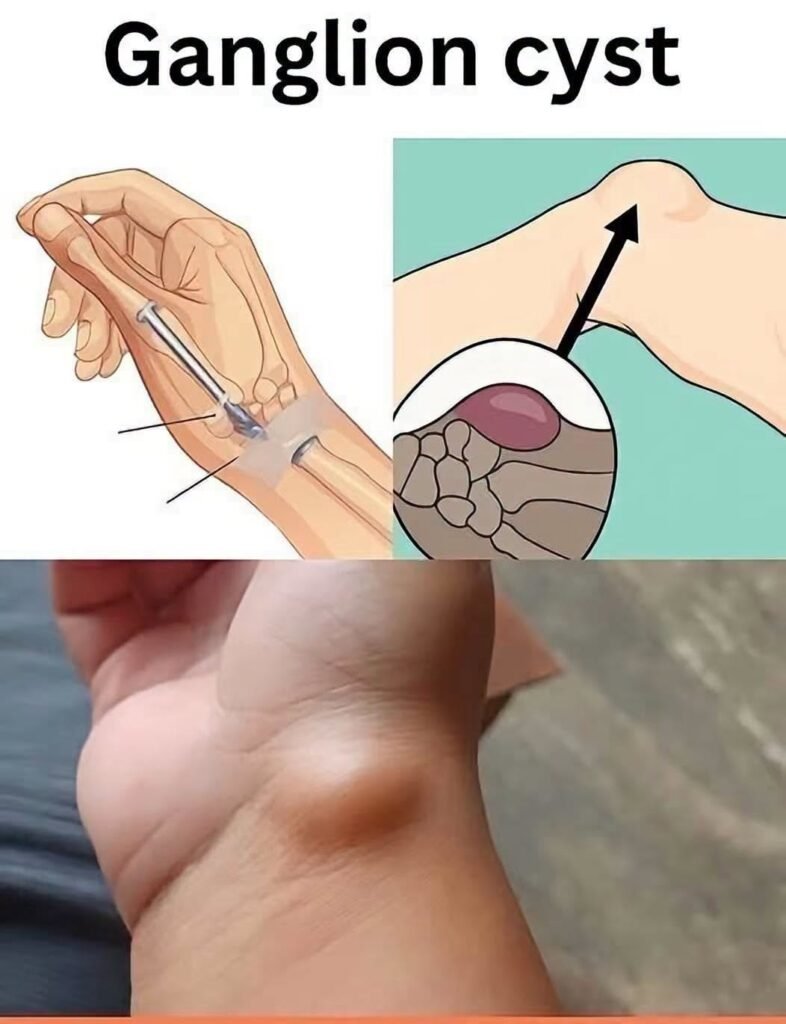
5. Cysts Under the Skin
A cyst is a closed sac-like structure that can develop beneath the skin.
It may feel like:
-
A round lump.
-
A soft or firm swelling.
-
A movable bump beneath the skin.
-
A painless growth that slowly increases in size.
Some cysts develop when skin cells or keratin become trapped beneath the skin.
6. When Should You Be Concerned?
Have a healthcare professional examine a lump if it:
-
Grows quickly.
-
Becomes painful.
-
Bleeds repeatedly.
-
Changes colour or shape.
-
Develops an open wound.
-
Becomes red, hot, or swollen.
A rapidly growing lump, fever, or spreading redness may require prompt medical assessment.
Final Thoughts
Everyday activities such as wearing tight clothing, repeated friction, shaving, and picking at the skin can contribute to certain skin problems. However, not every lump develops because of daily habits.
The best approach is to identify the type of lump before attempting treatment. A dermatologist can examine it and recommend appropriate care.