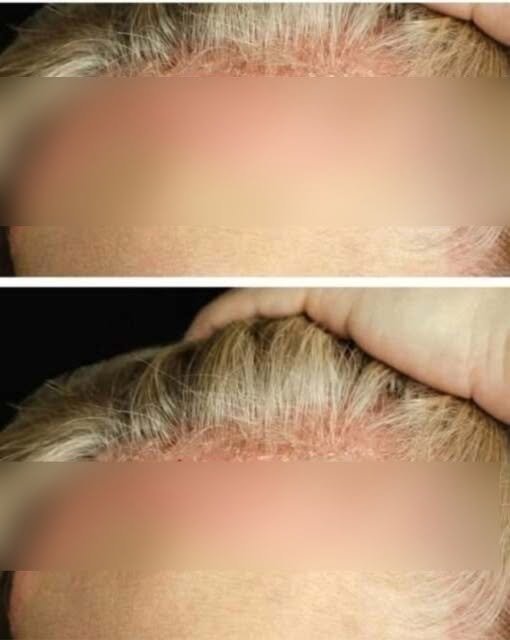

These Are the Consequences of Bathing With…
Incomplete viral headlines starting with “These are the consequences of bathing with…” usually refer to common everyday shower and bath habits—most notably very hot water, hard water, expired or harsh soaps, or chlorinated tap water. Each leaves distinct, measurable effects on your skin barrier, hair, and circulation.
1. Bathing With Very Hot Water
Steaming-hot showers feel relaxing, especially in winter, but water hotter than 105°F (40°C) rapidly strips the skin’s protective lipid barrier:
-
Severe Dryness and Itching: Hot water dissolves natural sebum and ceramides, causing transepidermal water loss, tightness, flaking, and winter eczema flare-ups.
-
Hair Breakage and Frizz: Heat lifts the outer hair cuticle, making strands rough, dull, and prone to split ends while accelerating color fade.
-
Dizziness or Blood Pressure Drops: High heat dilates peripheral blood vessels, temporarily lowering blood pressure and causing lightheadedness when stepping out of the shower—especially in older adults.
-
Better Alternative: Keep water lukewarm (98°F–100°F / 37°C–38°C) and apply moisturizer within 3 minutes of patting dry.
2. Bathing With Hard Water (High Calcium & Magnesium)
In many regions—including parts of Punjab and across South Asia—groundwater and municipal supplies contain elevated dissolved calcium and magnesium salts:
-
Soap Scum Residue on Skin: Hard water minerals react with fatty acids in bar soaps to form an invisible film that clogs pores, triggers breakouts, and aggravates dryness.
-
Brittle, Dull Hair and Scalp Buildup: Mineral deposits coat hair shafts, weighing hair down, causing brassiness, and making shampoos lather poorly.
-
Better Alternative: Switch from traditional alkaline bar soap to a pH-balanced syndet cleanser (soap-free wash), use a clarifying or chelating shampoo once every 1–2 weeks, or install a shower filter.
3. Bathing With Harsh Antibacterial or High-pH Bar Soaps
Healthy human skin has a slightly acidic acid mantle (pH 4.5–5.5) that keeps beneficial microbes balanced and pathogens out:
-
Microbiome Disruption: Traditional alkaline soaps (pH 9–10) and strong antibacterial washes wipe out protective skin flora alongside odor-causing bacteria, leaving skin vulnerable to irritation, fungal infections, and chronic dryness.
-
Better Alternative: Reserve antibacterial wash for hands or specific medical needs, and use gentle, fragrance-free, pH-balanced cleansers for daily body bathing.
4. Bathing With Cold Water (Plunges or Cold Showers)
Cold water immersion has gained popularity, producing immediate physiological responses:
-
Positive Effects: Triggers a sharp release of norepinephrine and dopamine (boosting alertness and mood), constricts blood vessels to reduce post-exercise muscle soreness, and preserves natural skin oils.
-
Potential Risks: Sudden immersion in ice-cold water causes a cold shock response (rapid gasping, spike in heart rate and blood pressure), which can be dangerous for people with uncontrolled hypertension or heart arrhythmias.
5. Bathing With Old Loofahs or Unwashed Bath Sponges
While not a water ingredient, what you scrub with matters just as much:
-
Bacterial and Fungal Reservoir: Damp mesh loofahs and natural sponges kept inside humid bathrooms harbor Pseudomonas, Staphylococcus, and mold spores—leading to folliculitis (razor bumps/red pustules) and skin infections.
-
Better Alternative: Rinse washcloths after every use, dry loofahs outside the shower, and replace mesh puffs every 3 to 4 weeks.