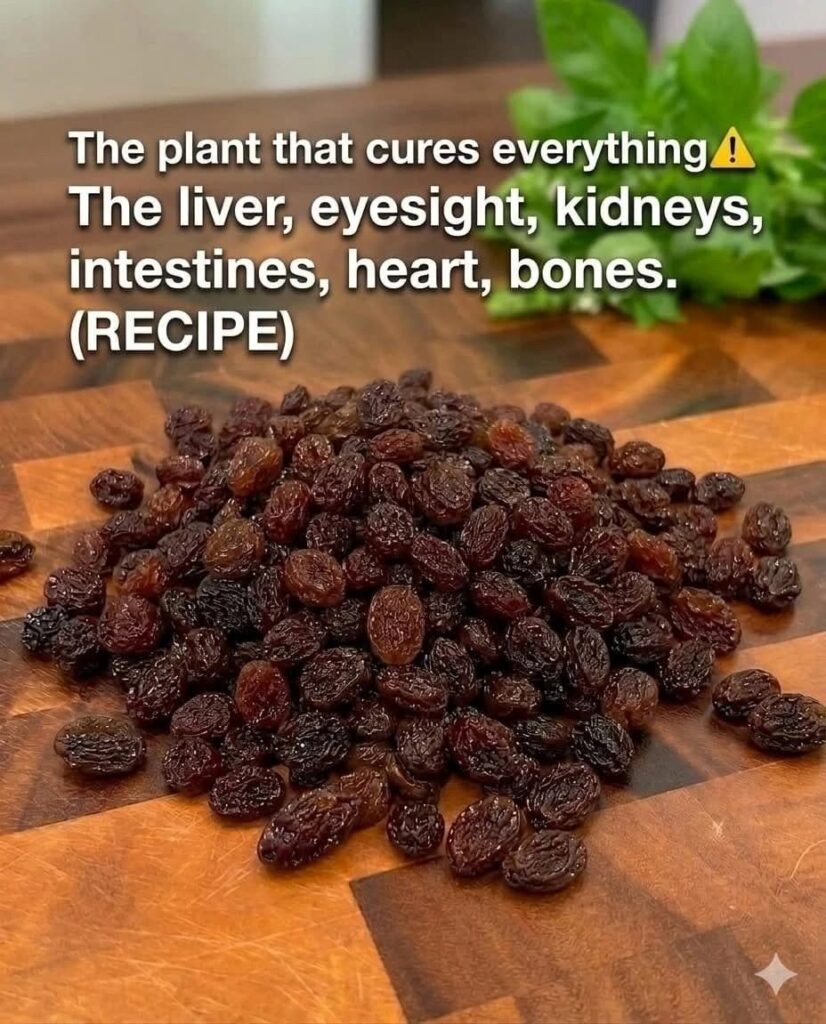

Claims that one plant can cure liver problems, improve eyesight, repair the kidneys, heal the intestines, protect the heart, and strengthen bones are not supported by medical evidence. Different organs can be affected by very different diseases, and there is no single plant proven to cure all of them.
What Plants Can Actually Do
Many plants contain vitamins, minerals, fiber, and antioxidant compounds that can contribute to a healthy diet. Some may support particular aspects of health, but that is very different from curing disease.
For example, leafy greens can provide folate, vitamin K, and other nutrients, while some herbs and vegetables contain beneficial plant compounds.
Be Careful With Herbal Remedies
“Natural” does not automatically mean safe. Concentrated herbal products can cause side effects, interact with medications, or be harmful to the liver or kidneys when taken in excessive amounts.
It is especially important to be cautious if you take prescription medicines or already have liver, kidney, heart, or other medical conditions.
Don’t Replace Medical Treatment
If you have abnormal liver tests, vision changes, kidney problems, chest pain, digestive symptoms, or bone problems, treating the condition depends on finding its actual cause. Replacing prescribed treatment with an unproven plant remedy can allow a serious condition to worsen.
Bottom line: There is no scientifically proven plant that cures every disease of the liver, eyes, kidneys, intestines, heart, and bones. A varied diet rich in fruits, vegetables, whole grains, legumes, and other nutrient-rich foods can support overall health, but specific medical problems require appropriate evaluation and treatment.