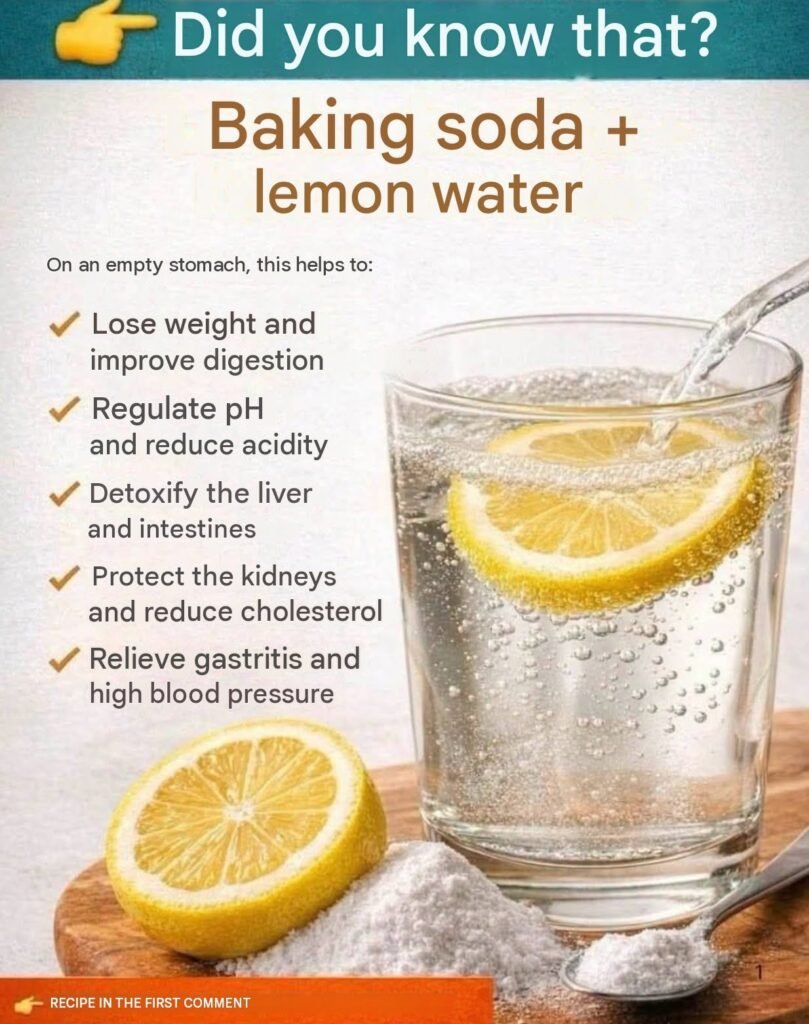

Lemon water with bicarbonate of soda, also known as baking soda, is a homemade drink that has attracted attention as a natural wellness remedy. Some people believe this combination supports digestion, reduces acidity, and helps maintain the body’s internal balance.
Lemons contain vitamin C and natural plant compounds, while bicarbonate of soda is an alkaline substance commonly used in cooking and certain medical products.
Although both ingredients have specific uses, it is important to understand what this combination can and cannot do. Lemon water with bicarbonate is not a proven detox drink, disease treatment, or way to rebalance the body’s pH.
1. Understanding the Ingredients
Lemon: Lemons contain vitamin C, which supports normal immune function, collagen production, and protection against oxidative damage.
Bicarbonate of soda: Sodium bicarbonate is an alkaline compound. It can neutralise stomach acid and is used in certain approved antacid products.
When lemon juice and bicarbonate are mixed, they react and produce carbon dioxide gas, water, and sodium citrate.
This reaction is responsible for the bubbling or fizzing you may notice.
2. May Help Neutralise Stomach Acid Temporarily
Sodium bicarbonate can temporarily neutralise stomach acid.
This is why it is included in some antacid products.
However:
-
It does not treat the underlying cause of acid reflux.
-
It is not appropriate for everyone.
-
Frequent use can cause unwanted side effects.
-
It contains sodium, which may be unsuitable for certain people.
People experiencing frequent heartburn should seek medical advice rather than relying on homemade bicarbonate drinks.
3. Provides Vitamin C
Lemon juice contains vitamin C, an essential nutrient involved in several important body functions.
Vitamin C helps:
-
Support normal immune function.
-
Produce collagen.
-
Maintain healthy skin.
-
Support wound healing.
-
Improve absorption of iron from plant-based foods.
-
Protect cells from oxidative damage.
However, adding bicarbonate does not increase the vitamin C content of lemon juice.
4. Supports Everyday Hydration
One potential benefit of lemon water is that it can make drinking water more enjoyable.
Adequate hydration helps support:
-
Kidney function.
-
Normal digestion.
-
Body temperature regulation.
-
Blood circulation.
-
Normal physical performance.
You can enjoy lemon water without adding bicarbonate.
5. Does It Detoxify the Body?
A common claim is that lemon water with bicarbonate removes toxins from the body.
There is no convincing scientific evidence that this mixture detoxifies the body or cleanses the liver.
Your liver and kidneys already perform essential functions that help process and eliminate waste products.
Maintaining hydration, eating a balanced diet, and avoiding excessive alcohol are more useful ways to support general health.
6. Can It Balance Your Body’s pH?
The human body carefully regulates blood pH through the lungs and kidneys.
Drinking an alkaline mixture does not meaningfully change the pH of your blood in a healthy person.
Although bicarbonate can affect stomach acidity and urine chemistry, this does not mean it balances the body’s overall acidity.
Claims that this drink corrects body acidity or prevents serious diseases are not supported by reliable clinical evidence.
7. Important Risks of Drinking Lemon Water With Bicarbonate
Although sodium bicarbonate has legitimate medical uses, consuming it unnecessarily or in excessive amounts can be harmful.
Potential side effects include:
-
Bloating.
-
Gas.
-
Belching.
-
Nausea.
-
Abdominal discomfort.
-
Increased sodium intake.
-
Changes in electrolyte balance.
Large amounts can cause serious complications, including metabolic alkalosis.
8. Who Should Avoid This Homemade Mixture?
Certain people should avoid using bicarbonate as a regular health drink unless a healthcare professional specifically recommends it.
These include:
People with high blood pressure: The sodium content may contribute to excessive sodium intake.
People with kidney disease: Their ability to regulate sodium and bicarbonate may be impaired.
People with heart failure: Excess sodium may worsen fluid retention.
Pregnant women: They should avoid using homemade bicarbonate mixtures as a remedy without medical advice.
People taking medications: Sodium bicarbonate can affect the absorption or effectiveness of certain medicines.
9. A Simpler and Safer Way to Enjoy Lemon Water
If you enjoy lemon water, you can prepare a refreshing version without bicarbonate.
Ingredients:
-
1 glass of clean drinking water.
-
A few drops of fresh lemon juice.
-
A small slice of lemon, if desired.
Preparation:
-
Pour drinking water into a glass.
-
Add fresh lemon juice.
-
Stir gently.
-
Enjoy it alongside your regular meals or whenever you want a refreshing drink.
There is no need to add baking soda to receive the hydration benefits.
If you have sensitive teeth, avoid frequent exposure to acidic lemon water and rinse your mouth with plain water afterward.
10. Healthy Habits That Actually Support Your Body’s Natural Balance
Instead of depending on a single homemade remedy, focus on habits that support normal body functions.
-
Drink sufficient water.
-
Eat a variety of fruits and vegetables.
-
Include adequate protein and fibre.
-
Limit excessive salt and added sugar.
-
Maintain regular physical activity.
-
Get sufficient sleep.
-
Avoid smoking.
-
Follow medical advice for existing health conditions.
These everyday habits have much stronger evidence for supporting long-term health than lemon water with bicarbonate.
Final Thoughts
Lemon water with bicarbonate may sound like a simple natural solution, but its health benefits are often exaggerated.
Lemon provides vitamin C, and bicarbonate can neutralise stomach acid temporarily. However, the combination does not detoxify the body, balance blood pH, or cure chronic diseases.
For everyday hydration, plain lemon water is generally the simpler choice.
Remember: Natural ingredients are not automatically safe in every quantity. The best approach to good health is a balanced diet, healthy daily habits, and evidence-based medical care.