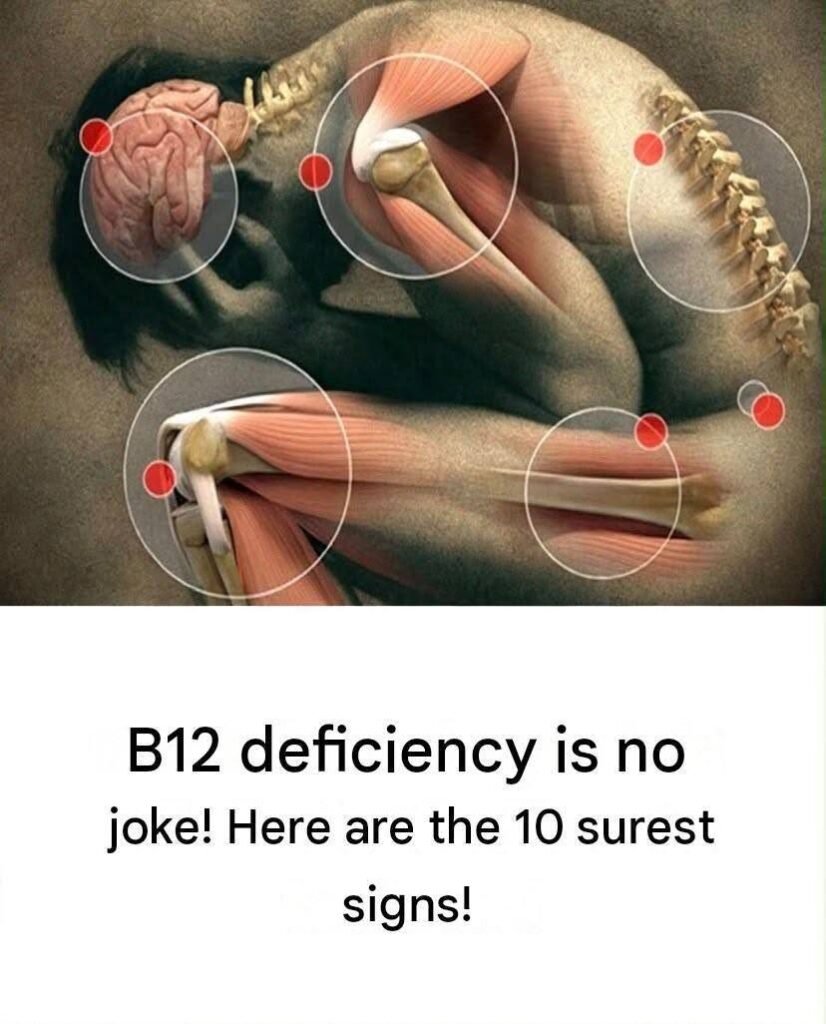

Vitamin B12 is an essential nutrient that plays a major role in maintaining healthy nerves, producing red blood cells, supporting DNA production, and keeping the brain functioning properly.
When your body does not receive or absorb enough vitamin B12, a deficiency can gradually develop. Some symptoms may begin mildly, making them easy to overlook. However, if left untreated, vitamin B12 deficiency can cause serious neurological complications, some of which may become permanent.
Vitamin B12 deficiency can affect people of different ages, but older adults, people following strict vegan diets, and individuals with certain digestive conditions may have a higher risk.
Here are 10 important warning signs to recognise.
1. Constant Tiredness and Unusual Fatigue
One of the common symptoms of vitamin B12 deficiency is persistent tiredness.
Vitamin B12 helps your body produce healthy red blood cells, which carry oxygen throughout the body.
When B12 levels become too low, the body may develop megaloblastic anaemia.
You may experience:
-
Feeling exhausted despite sleeping.
-
Reduced energy throughout the day.
-
Difficulty completing everyday activities.
-
General weakness.
-
Reduced exercise tolerance.
Persistent fatigue has many possible causes, so it should not automatically be attributed to vitamin B12 deficiency.
2. Tingling or Numbness in the Hands and Feet
Vitamin B12 is essential for maintaining healthy nerves.
A deficiency can damage the protective covering around nerves, known as myelin.
This may produce unusual sensations such as:
-
Tingling in the fingers.
-
Numbness in the toes.
-
Burning sensations in the feet.
-
Pins-and-needles feelings.
-
Reduced sensitivity to touch.
These symptoms are particularly important because neurological damage can occur even without anaemia.
3. Memory Problems and Difficulty Concentrating
Vitamin B12 supports normal brain and nervous system function.
When levels become deficient, some people experience cognitive symptoms.
Possible signs include:
-
Forgetfulness.
-
Difficulty concentrating.
-
Mental confusion.
-
Problems remembering information.
-
Difficulty completing familiar tasks.
These symptoms can have many causes, including sleep problems, stress, medication effects, and other medical conditions.
4. Pale or Yellowish Skin
Vitamin B12 deficiency can interfere with normal red blood cell production.
This may cause anaemia, making the skin appear unusually pale.
Some people may also develop a slightly yellow appearance of the skin or whites of the eyes due to increased breakdown of abnormal red blood cells.
Possible accompanying symptoms include:
-
Weakness.
-
Dizziness.
-
Shortness of breath.
-
Rapid heartbeat.
-
Reduced physical stamina.
Yellowing of the eyes or skin should always be medically evaluated.
5. A Swollen, Red, or Sore Tongue
Vitamin B12 deficiency can affect the tissues inside the mouth.
One possible symptom is glossitis, which refers to inflammation of the tongue.
You may notice:
-
A smooth-looking tongue.
-
Redness.
-
Swelling.
-
Burning or soreness.
-
Pain while eating certain foods.
Some people also develop mouth ulcers or cracks at the corners of their lips.
6. Balance Problems and Difficulty Walking
Vitamin B12 deficiency can affect the nerves responsible for movement, coordination, and balance.
As a result, some individuals may experience:
-
Unsteadiness while walking.
-
Difficulty maintaining balance.
-
Weakness in the legs.
-
Poor coordination.
-
Increased risk of falling.
These symptoms should be taken seriously, particularly in older adults.
Sudden difficulty walking or sudden weakness requires emergency medical assessment because it may indicate a stroke or another urgent condition.
7. Mood Changes, Irritability, and Depression
Vitamin B12 plays an important role in normal neurological function.
A deficiency may sometimes be associated with:
-
Irritability.
-
Low mood.
-
Depressive symptoms.
-
Anxiety.
-
Changes in behaviour.
However, these symptoms are not specific to B12 deficiency and can have many other explanations.
Persistent changes in mood deserve appropriate medical attention.
8. Shortness of Breath and Heart Palpitations
When vitamin B12 deficiency causes anaemia, the blood may carry less oxygen than normal.
The heart may compensate by working harder.
Possible symptoms include:
-
Shortness of breath during activity.
-
Noticeable heartbeats.
-
Rapid heartbeat.
-
Dizziness.
-
Unusual weakness.
Severe or sudden shortness of breath, chest pain, or fainting requires emergency medical attention.
9. Blurred Vision or Other Visual Changes
In uncommon cases, significant vitamin B12 deficiency can affect the optic nerves.
This may result in:
-
Blurred vision.
-
Reduced visual clarity.
-
Changes in colour perception.
-
Visual disturbances.
New or sudden vision loss should never be assumed to be a vitamin deficiency. It requires urgent medical evaluation.
10. Unexplained Weakness and Reduced Physical Strength
Vitamin B12 deficiency can contribute to anaemia and neurological problems.
Some people experience:
-
General muscle weakness.
-
Heavy-feeling legs.
-
Reduced physical endurance.
-
Difficulty climbing stairs.
-
Unusual tiredness after routine activities.
Persistent weakness should be investigated to identify its underlying cause.
Who Is at Higher Risk of Vitamin B12 Deficiency?
Certain people are more likely to develop vitamin B12 deficiency.
These include:
-
People following strict vegan diets without fortified foods or supplements.
-
Adults over the age of 50.
-
People with pernicious anaemia.
-
Individuals with coeliac disease.
-
People with Crohn’s disease or other intestinal conditions.
-
Individuals who have undergone certain stomach or intestinal surgeries.
-
People taking metformin for diabetes.
-
People using acid-reducing medications for extended periods.
Vitamin B12 is naturally found mainly in animal-derived foods, so people who avoid animal products need a reliable fortified food or supplement source.
Foods That Naturally Contain Vitamin B12
A balanced diet can help provide vitamin B12.
Good dietary sources include:
-
Fish.
-
Beef.
-
Chicken.
-
Eggs.
-
Milk.
-
Yoghurt.
-
Cheese.
-
Shellfish.
Fortified breakfast cereals and fortified plant-based milk can also provide vitamin B12.
People with absorption problems may still develop deficiency even when their diets contain sufficient B12.
How Is Vitamin B12 Deficiency Diagnosed?
A healthcare professional may recommend blood tests to investigate suspected deficiency.
Common investigations include:
1. Complete blood count (CBC): Checks red blood cell levels and other blood components.
2. Serum vitamin B12: Measures the amount of vitamin B12 in the blood.
3. Methylmalonic acid (MMA): Can help identify functional B12 deficiency when initial results are unclear.
4. Homocysteine: May also be elevated in vitamin B12 deficiency, although it is not specific to this condition.
Additional testing may help identify the reason for the deficiency.
How Is Vitamin B12 Deficiency Treated?
Treatment depends on the severity and underlying cause.
Common approaches include:
-
Oral vitamin B12 supplements.
-
Higher-dose B12 supplements when medically appropriate.
-
Vitamin B12 injections for certain absorption problems or severe deficiencies.
-
Dietary improvements.
-
Treatment of underlying digestive or autoimmune conditions.
Some symptoms improve after treatment, but nerve-related problems may take longer to recover. Delayed treatment can result in permanent neurological damage.
When Should You Seek Medical Attention?
Arrange a medical assessment if you experience persistent unexplained fatigue, tingling, numbness, memory difficulties, balance problems, or a sore tongue.
Seek urgent medical care for sudden weakness, sudden vision changes, severe breathing difficulties, chest pain, or fainting.
Do not begin high-dose supplementation without understanding the cause of your symptoms.
Final Thoughts
Vitamin B12 deficiency is more than a nutritional problem. It can affect the blood, brain, nerves, muscles, and overall physical well-being.
The 10 warning signs include persistent fatigue, tingling hands and feet, memory difficulties, pale skin, a sore tongue, balance problems, mood changes, breathlessness, visual disturbances, and unexplained weakness.
The most important message is this: Vitamin B12 deficiency is often treatable, but early recognition matters. If you notice persistent symptoms, get tested rather than guessing or ignoring the warning signs.