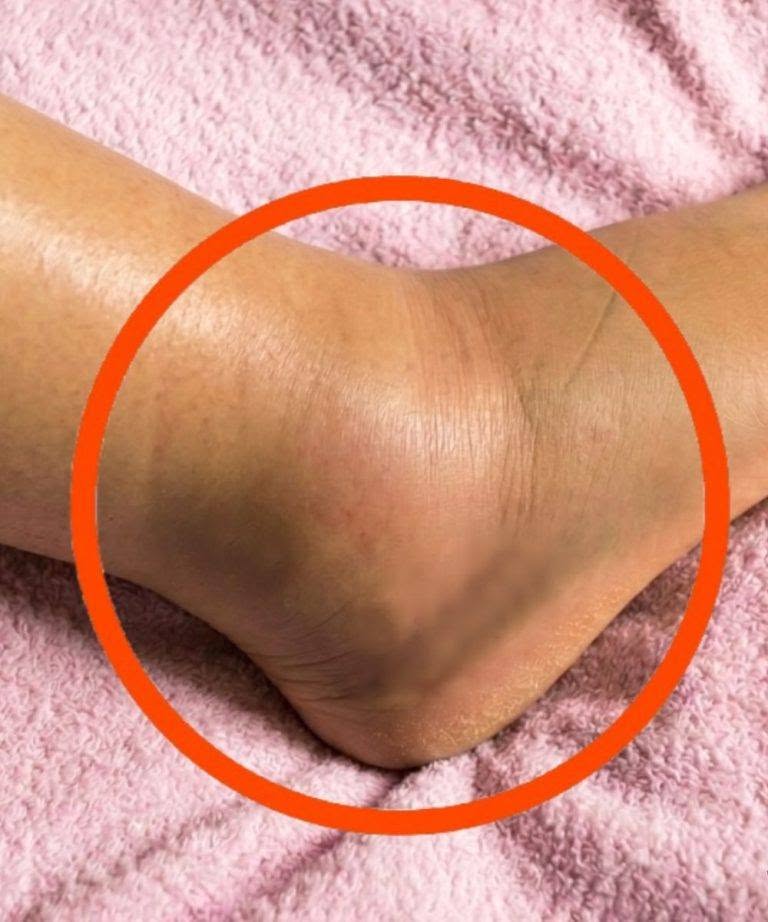

If You Notice Your Legs Are Swollen, Here’s What It Could Mean
Swelling in the legs, ankles, or feet is common and can happen for something as simple as sitting or standing for a long time. It can also occur because of an injury, certain medicines, or excess fluid in the tissues.
However, persistent or unexplained swelling can sometimes be associated with problems involving the heart, kidneys, liver, veins, or lymphatic system. The pattern of swelling and any other symptoms are important clues.
1. Sitting or Standing for Too Long
Spending many hours sitting or standing can cause fluid to collect in the lower legs. This type of swelling often improves after changing position, walking around, or elevating the legs.
Long periods of inactivity can also contribute to swelling.
2. Vein Problems
The veins in the legs normally help return blood toward the heart. If the veins or their valves do not work properly, blood can pool in the legs and cause swelling.
This is known as chronic venous insufficiency and can sometimes occur along with aching, heaviness, or changes in the skin around the ankles.
3. Heart Problems
Swelling in both legs can sometimes occur when the heart is not pumping blood effectively. Fluid may accumulate in the legs and feet.
Heart-related swelling may occur along with symptoms such as shortness of breath, tiredness, difficulty breathing when lying down, or unexplained rapid weight gain.
Leg swelling by itself does not prove that someone has heart disease.
4. Kidney Problems
The kidneys help regulate fluid and salt in the body. Certain kidney conditions can cause the body to retain fluid, resulting in swelling, particularly in the legs and sometimes around the eyes.
Persistent swelling should therefore be evaluated rather than assumed to be caused by aging or inactivity.
5. Liver Problems
Certain liver diseases can contribute to fluid accumulation in the abdomen and legs. Other symptoms may occur depending on the underlying condition.
Swollen legs alone cannot diagnose liver disease, so a medical evaluation is needed if swelling is persistent or unexplained.
6. Medicines Can Sometimes Cause Swelling
Some prescription and over-the-counter medicines can contribute to fluid retention and leg swelling. Examples include certain blood-pressure medicines, anti-inflammatory medicines, steroids, and some medicines used for diabetes or nerve pain.
Never stop a prescribed medicine on your own because you suspect it is causing swelling. Discuss the symptom with a healthcare professional.
7. Sudden Swelling in One Leg Needs Attention
Swelling that suddenly appears in only one leg, particularly when accompanied by pain, warmth, redness, or tenderness, can sometimes be associated with a blood clot in a deep vein.
This requires prompt medical evaluation.
When Is Leg Swelling an Emergency?
Seek emergency medical help if leg swelling occurs with chest pain, sudden difficulty breathing, fainting, severe dizziness, or coughing up blood. These symptoms can indicate a serious heart or blood-clot-related problem.
Also seek prompt medical attention for sudden unexplained swelling, particularly if only one leg is affected.
What Can You Do About Mild Swelling?
If a healthcare professional has determined that the swelling is not caused by a serious condition, measures such as taking regular movement breaks, elevating the legs, and reducing excessive salt intake may sometimes help.
The right treatment depends on the underlying cause, so persistent swelling should not simply be treated at home without understanding why it is happening.
The Bottom Line
Swollen legs do not automatically mean heart, kidney, or liver disease. Common causes include prolonged sitting or standing, injury, vein problems, and certain medicines. But persistent, unexplained, painful, or one-sided swelling deserves medical attention.
Pay particular attention when swelling occurs together with breathing problems or chest pain, because those symptoms require urgent medical care.