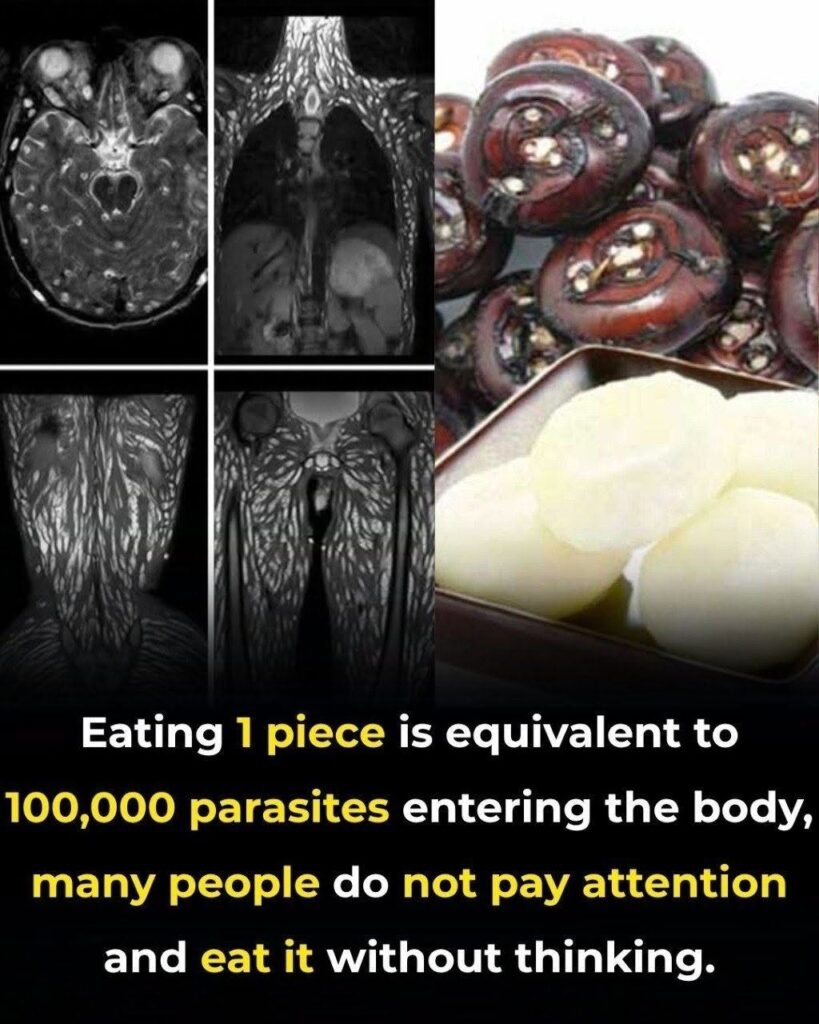

Eating Just One Bite Is Already Harmful? What You Should Really Know
Health warnings often claim that a single bite of a particular food is immediately harmful. In reality, the effect of a food depends on the type of food, amount eaten, frequency, preparation, and the individual’s health.
For most foods, eating a small amount does not automatically cause harm. Health risks generally depend more on overall dietary patterns and repeated exposure than on one isolated bite.
Why One Bite Usually Isn’t the Whole Story
A food can be high in sugar, salt, saturated fat, or calories without meaning that one bite will suddenly damage the body. The concern is usually what happens when such foods are eaten frequently or in large quantities.
For example, highly processed foods can be convenient, but regularly consuming large amounts may contribute to an unhealthy dietary pattern.
Some Foods Are Different
There are exceptions. Certain foods can be dangerous even in small amounts for people with specific allergies or medical conditions. Some spoiled or contaminated foods can also cause illness.
That is why a dramatic headline should not be applied to every person or every food.
Pay Attention to Portion and Frequency
Instead of asking only, “Is this food bad?”, consider:
- How much am I eating?
- How often do I eat it?
- What nutrients does it provide?
- Is it highly processed?
- Does it contain excessive salt or added sugar?
- Does it fit into my overall diet?
- Do I have a medical condition or allergy that changes the risk?
The Bottom Line
One bite of an ordinary food is not automatically harmful. The bigger picture—what you eat regularly, how much you eat, and your individual health needs—is far more important.
If a particular food is being described as dangerous even in tiny amounts, the specific food and the evidence behind the claim should be examined before accepting the warning.