
Don’t Throw Away Tuna Cans: Clever Ways to Recycle Them at Home
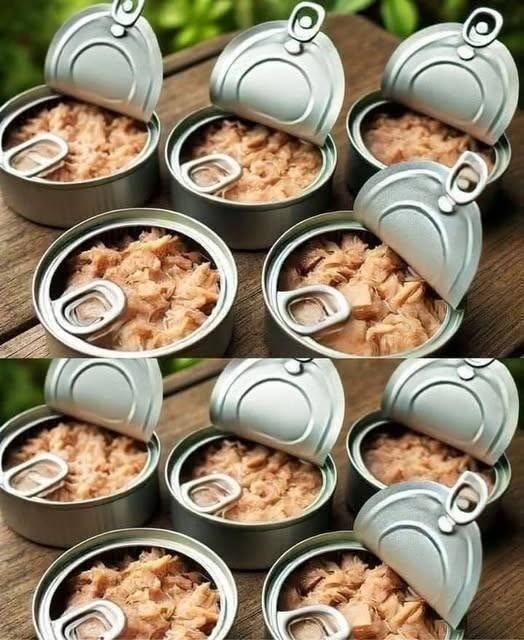
Empty tuna cans can be surprisingly useful around the house. Once thoroughly washed and dried, their small, sturdy shape makes them suitable for simple craft and organization projects. Instead of immediately putting them in the trash, consider giving them a second life.
1. Make a Small Candle Holder
Clean the can thoroughly and remove any sharp edges. You can decorate the outside with paper, fabric, or paint suitable for the material.
For safety, it’s better to use the container for a battery-operated LED candle rather than an open flame.
2. Create a Mini Plant Pot
Tuna cans can work as small containers for seedlings or tiny plants. Before using one, make several drainage holes in the bottom and place it on a small tray to catch excess water.
Because metal can heat up quickly in strong sunlight, keep the container in an appropriate location rather than exposing it to intense direct heat.
3. Organize Small Household Items
A cleaned tuna can can become a handy holder for small items such as:
- Buttons
- Paper clips
- Hair accessories
- Craft supplies
- Small screws and hardware
Adding a label makes it easier to keep several containers organized.
4. Make a Desk Organizer
Cover the outside with decorative paper or another suitable material and use the can to hold pens, pencils, paintbrushes, or other small stationery.
Several decorated cans grouped together can create a simple homemade organizer.
5. Use It for Small Craft Projects
The shallow shape is useful for DIY projects such as miniature displays, decorative trays, or small storage containers. Children should only use cleaned cans with adult supervision because the metal edges can be sharp.
6. Make a Simple Cat or Pet Feeding Dish
A thoroughly cleaned can can temporarily serve as a small pet-food container, but it is generally better to use a purpose-made pet bowl for regular feeding. If the can has sharp edges, dents, rust, or a damaged coating, don’t use it for food or water.
Safety First
Before reusing any food can, wash it thoroughly and remove labels and food residue. Check carefully for sharp edges, rust, or damage. Don’t use cans that are swollen, badly dented, rusty, or otherwise compromised.
And if you don’t need a DIY project, recycling the empty metal can through your local recycling system is still an excellent way to keep useful material out of the waste stream.